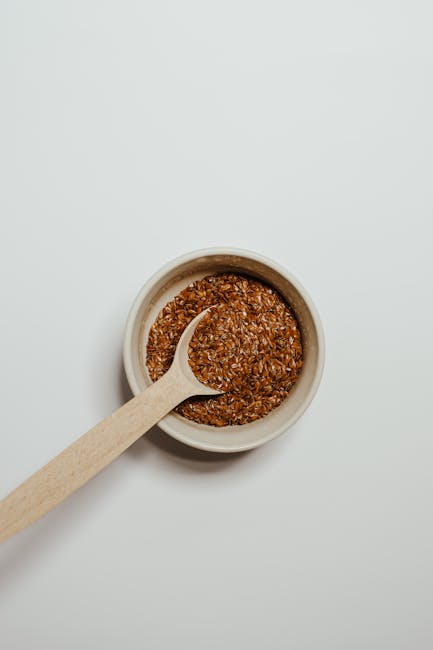
Texture and taste: Cornstarch creates denser baked goods with less rise. The texture is slightly more fragile and crumbly than flax egg bakes. Flavor is completely neutral.
Best for: Cookies, brownies, simple cakes, and baked goods where you don’t need dramatic rise. Less suitable for layer cakes or delicate structures that require significant lift.
6. Tapioca Starch Slurry
Ratio: 2 tablespoons tapioca starch mixed with 3 tablespoons water (let sit 2 minutes) per 1 flax egg
Tapioca starch (also called tapioca flour) works similarly to cornstarch but produces slightly different results due to its chemistry. Mix tapioca starch with water and let it hydrate for a few minutes before incorporating into your recipe. Tapioca starch gelatinizes at higher temperatures than cornstarch, which means your baked goods need to bake thoroughly to achieve full binding—this is actually beneficial because it allows batter to fully set without turning gummy in the center, since tapioca’s characteristic stretch only firms up properly once baking is complete. The upside is a chewier, slightly elastic crumb that’s actually desirable in some recipes—think chewy cookies or mochi-style treats—though it’s less ideal for a delicate, fluffy cake where you want a soft, tender bite rather than elasticity.
Texture and taste: Tapioca starch produces a chewier, slightly elastic crumb with good binding but minimal leavening. The flavor is completely neutral, and baked goods hold together well once fully baked.
Best for: Chewy cookies, brownies, and dense quick breads where a slightly stretchy texture is welcome. Less suitable for light, airy cakes or anything needing significant rise.
7. Chia Egg
Ratio: 1 tablespoon chia seeds + 3 tablespoons water, stirred and left to sit for 15 minutes until gelled, per 1 flax egg
Chia eggs work almost identically to flax eggs because chia seeds contain the same type of soluble fiber (mucilage) that creates a gel when combined with water. Whole or ground chia seeds both work, though ground chia blends in more invisibly if you’re concerned about visible seed specks in your final product. Stir the seeds into water and let the mixture rest for about 15 minutes, stirring once or twice, until it thickens into a gel with a consistency similar to raw egg. Because chia eggs behave so much like flax eggs chemically, they’re one of the most reliable swaps if you’re simply out of flaxseed but have chia on hand.
The main difference from flax eggs is flavor and appearance—chia seeds are more neutral-tasting than flax and don’t add the faint nutty flavor flaxseed can contribute, though whole chia seeds remain visibly speckled throughout the finished product (grinding them first avoids this if a smooth appearance matters). Chia eggs provide solid binding and moderate moisture, making them versatile across most baked goods. Like flax, they work best in recipes that don’t rely heavily on egg-driven rise, since neither seed egg whips or aerates the way aquafaba or true eggs do.
Texture and taste: Chia eggs create a texture nearly identical to flax eggs—moist, tender crumbs with reliable binding. Flavor is neutral, though whole seeds add a subtle speckled appearance and light crunch.
Best for: Cookies, granola bars, muffins, and pancakes—essentially any recipe where a flax egg would work, since the two are functionally interchangeable. A great choice when you simply don’t have flaxseed on hand.
8. Soy Lecithin + Water
Ratio: 1 teaspoon soy lecithin granules or liquid + 3 tablespoons water per 1 flax egg
Soy lecithin is an emulsifier extracted from soybeans, and it’s the same ingredient that keeps chocolate smooth and prevents oil separation in many packaged foods. Whisked with water, it creates a light, slightly frothy liquid that helps bind ingredients and, more importantly, keeps fats and liquids from separating in your batter—which is especially useful in delicate recipes like mousses and light cakes where a smooth, uniform texture matters. Liquid soy lecithin dissolves more easily than granules, so if you’re using granules, whisk vigorously or let the mixture sit a few minutes to fully incorporate.
This substitute provides the weakest structural binding on this list, so it’s not a good stand-alone choice for recipes that need real structure, like layer cakes or bread. It shines specifically in recipes where emulsification matters more than binding power—things like mousses, custard-style fillings, and delicate batters where you want a silky, uniform texture without any graininess. Because the quantity used is small, it has essentially no impact on flavor, making it a nearly invisible addition.
Texture and taste: Soy lecithin produces a light, silky texture ideal for delicate applications, though it offers less structural support than other substitutes on this list. Flavor is completely neutral.
Best for: Mousses, delicate cakes, custard-style fillings, and any recipe prioritizing smooth emulsification over binding strength. Best combined with another substitute, like a small amount of cornstarch, in recipes that also need structural support.
Ratio: 2 tablespoons cornstarch mixed with 3 tablespoons water (let sit 2 minutes to hydrate) per 1 flax egg
Cornstarch creates binding through gelatinization—when starch granules absorb water and heat, they swell and create a gel-like structure that holds ingredients together. To make a cornstarch slurry, whisk the cornstarch with water until completely smooth with no lumps, then let it sit for a couple of minutes to fully hydrate. This creates a thicker, more paste-like consistency that incorporates smoothly into your batter. The advantage is that cornstarch is incredibly common, affordable, and has a completely neutral flavor that won’t affect your recipe.
The limitation with cornstarch is that it provides binding but minimal leavening power, so your baked goods won’t rise as much as they would with aquafaba or eggs. The resulting texture tends toward denser and slightly more delicate—good for cookies, brownies, and denser cakes, but less ideal for angel food cake or anything requiring significant rise. Cornstarch also makes baked goods slightly more prone to crumbling because there’s no protein structure providing elasticity, so handle finished baked goods gently. This works best in recipes where structural perfection isn’t paramount.
Texture and taste: Cornstarch creates denser baked goods with less rise. The texture is slightly more fragile and crumbly than flax egg bakes. Flavor is completely neutral.
Best for: Cookies, brownies, simple cakes, and baked goods where you don’t need dramatic rise. Less suitable for layer cakes or delicate structures that require significant lift.
6. Tapioca Starch Slurry
Ratio: 2 tablespoons tapioca starch mixed with 3 tablespoons water (let sit 2 minutes) per 1 flax egg
Tapioca starch (also called tapioca flour) works similarly to cornstarch but produces slightly different results due to its chemistry. Mix tapioca starch with water and let it hydrate for a few minutes before incorporating into your recipe. Tapioca starch gelatinizes at higher temperatures than cornstarch, which means your baked goods need to bake thoroughly to achieve full binding—this is actually beneficial because it allows batter to fully set without turning gummy in the center, since tapioca’s characteristic stretch only firms up properly once baking is complete. The upside is a chewier, slightly elastic crumb that’s actually desirable in some recipes—think chewy cookies or mochi-style treats—though it’s less ideal for a delicate, fluffy cake where you want a soft, tender bite rather than elasticity.
Texture and taste: Tapioca starch produces a chewier, slightly elastic crumb with good binding but minimal leavening. The flavor is completely neutral, and baked goods hold together well once fully baked.
Best for: Chewy cookies, brownies, and dense quick breads where a slightly stretchy texture is welcome. Less suitable for light, airy cakes or anything needing significant rise.
7. Chia Egg
Ratio: 1 tablespoon chia seeds + 3 tablespoons water, stirred and left to sit for 15 minutes until gelled, per 1 flax egg
Chia eggs work almost identically to flax eggs because chia seeds contain the same type of soluble fiber (mucilage) that creates a gel when combined with water. Whole or ground chia seeds both work, though ground chia blends in more invisibly if you’re concerned about visible seed specks in your final product. Stir the seeds into water and let the mixture rest for about 15 minutes, stirring once or twice, until it thickens into a gel with a consistency similar to raw egg. Because chia eggs behave so much like flax eggs chemically, they’re one of the most reliable swaps if you’re simply out of flaxseed but have chia on hand.
The main difference from flax eggs is flavor and appearance—chia seeds are more neutral-tasting than flax and don’t add the faint nutty flavor flaxseed can contribute, though whole chia seeds remain visibly speckled throughout the finished product (grinding them first avoids this if a smooth appearance matters). Chia eggs provide solid binding and moderate moisture, making them versatile across most baked goods. Like flax, they work best in recipes that don’t rely heavily on egg-driven rise, since neither seed egg whips or aerates the way aquafaba or true eggs do.
Texture and taste: Chia eggs create a texture nearly identical to flax eggs—moist, tender crumbs with reliable binding. Flavor is neutral, though whole seeds add a subtle speckled appearance and light crunch.
Best for: Cookies, granola bars, muffins, and pancakes—essentially any recipe where a flax egg would work, since the two are functionally interchangeable. A great choice when you simply don’t have flaxseed on hand.
8. Soy Lecithin + Water
Ratio: 1 teaspoon soy lecithin granules or liquid + 3 tablespoons water per 1 flax egg
Soy lecithin is an emulsifier extracted from soybeans, and it’s the same ingredient that keeps chocolate smooth and prevents oil separation in many packaged foods. Whisked with water, it creates a light, slightly frothy liquid that helps bind ingredients and, more importantly, keeps fats and liquids from separating in your batter—which is especially useful in delicate recipes like mousses and light cakes where a smooth, uniform texture matters. Liquid soy lecithin dissolves more easily than granules, so if you’re using granules, whisk vigorously or let the mixture sit a few minutes to fully incorporate.
This substitute provides the weakest structural binding on this list, so it’s not a good stand-alone choice for recipes that need real structure, like layer cakes or bread. It shines specifically in recipes where emulsification matters more than binding power—things like mousses, custard-style fillings, and delicate batters where you want a silky, uniform texture without any graininess. Because the quantity used is small, it has essentially no impact on flavor, making it a nearly invisible addition.
Texture and taste: Soy lecithin produces a light, silky texture ideal for delicate applications, though it offers less structural support than other substitutes on this list. Flavor is completely neutral.
Best for: Mousses, delicate cakes, custard-style fillings, and any recipe prioritizing smooth emulsification over binding strength. Best combined with another substitute, like a small amount of cornstarch, in recipes that also need structural support.
Texture and taste: Commercial egg replacers produce results nearly identical to traditional egg-based baking. The crumb is tender, structure is reliable, and there’s no unusual flavor. Results are consistent batch to batch.
Best for: Any baked good, from cookies to layer cakes to custards. This is particularly good for recipes that require multiple eggs since it scales reliably. Choose this when consistency and predictability matter most.
5. Cornstarch Slurry
Ratio: 2 tablespoons cornstarch mixed with 3 tablespoons water (let sit 2 minutes to hydrate) per 1 flax egg
Cornstarch creates binding through gelatinization—when starch granules absorb water and heat, they swell and create a gel-like structure that holds ingredients together. To make a cornstarch slurry, whisk the cornstarch with water until completely smooth with no lumps, then let it sit for a couple of minutes to fully hydrate. This creates a thicker, more paste-like consistency that incorporates smoothly into your batter. The advantage is that cornstarch is incredibly common, affordable, and has a completely neutral flavor that won’t affect your recipe.
The limitation with cornstarch is that it provides binding but minimal leavening power, so your baked goods won’t rise as much as they would with aquafaba or eggs. The resulting texture tends toward denser and slightly more delicate—good for cookies, brownies, and denser cakes, but less ideal for angel food cake or anything requiring significant rise. Cornstarch also makes baked goods slightly more prone to crumbling because there’s no protein structure providing elasticity, so handle finished baked goods gently. This works best in recipes where structural perfection isn’t paramount.
Texture and taste: Cornstarch creates denser baked goods with less rise. The texture is slightly more fragile and crumbly than flax egg bakes. Flavor is completely neutral.
Best for: Cookies, brownies, simple cakes, and baked goods where you don’t need dramatic rise. Less suitable for layer cakes or delicate structures that require significant lift.
6. Tapioca Starch Slurry
Ratio: 2 tablespoons tapioca starch mixed with 3 tablespoons water (let sit 2 minutes) per 1 flax egg
Tapioca starch (also called tapioca flour) works similarly to cornstarch but produces slightly different results due to its chemistry. Mix tapioca starch with water and let it hydrate for a few minutes before incorporating into your recipe. Tapioca starch gelatinizes at higher temperatures than cornstarch, which means your baked goods need to bake thoroughly to achieve full binding—this is actually beneficial because it allows batter to fully set without turning gummy in the center, since tapioca’s characteristic stretch only firms up properly once baking is complete. The upside is a chewier, slightly elastic crumb that’s actually desirable in some recipes—think chewy cookies or mochi-style treats—though it’s less ideal for a delicate, fluffy cake where you want a soft, tender bite rather than elasticity.
Texture and taste: Tapioca starch produces a chewier, slightly elastic crumb with good binding but minimal leavening. The flavor is completely neutral, and baked goods hold together well once fully baked.
Best for: Chewy cookies, brownies, and dense quick breads where a slightly stretchy texture is welcome. Less suitable for light, airy cakes or anything needing significant rise.
7. Chia Egg
Ratio: 1 tablespoon chia seeds + 3 tablespoons water, stirred and left to sit for 15 minutes until gelled, per 1 flax egg
Chia eggs work almost identically to flax eggs because chia seeds contain the same type of soluble fiber (mucilage) that creates a gel when combined with water. Whole or ground chia seeds both work, though ground chia blends in more invisibly if you’re concerned about visible seed specks in your final product. Stir the seeds into water and let the mixture rest for about 15 minutes, stirring once or twice, until it thickens into a gel with a consistency similar to raw egg. Because chia eggs behave so much like flax eggs chemically, they’re one of the most reliable swaps if you’re simply out of flaxseed but have chia on hand.
The main difference from flax eggs is flavor and appearance—chia seeds are more neutral-tasting than flax and don’t add the faint nutty flavor flaxseed can contribute, though whole chia seeds remain visibly speckled throughout the finished product (grinding them first avoids this if a smooth appearance matters). Chia eggs provide solid binding and moderate moisture, making them versatile across most baked goods. Like flax, they work best in recipes that don’t rely heavily on egg-driven rise, since neither seed egg whips or aerates the way aquafaba or true eggs do.
Texture and taste: Chia eggs create a texture nearly identical to flax eggs—moist, tender crumbs with reliable binding. Flavor is neutral, though whole seeds add a subtle speckled appearance and light crunch.
Best for: Cookies, granola bars, muffins, and pancakes—essentially any recipe where a flax egg would work, since the two are functionally interchangeable. A great choice when you simply don’t have flaxseed on hand.
8. Soy Lecithin + Water
Ratio: 1 teaspoon soy lecithin granules or liquid + 3 tablespoons water per 1 flax egg
Soy lecithin is an emulsifier extracted from soybeans, and it’s the same ingredient that keeps chocolate smooth and prevents oil separation in many packaged foods. Whisked with water, it creates a light, slightly frothy liquid that helps bind ingredients and, more importantly, keeps fats and liquids from separating in your batter—which is especially useful in delicate recipes like mousses and light cakes where a smooth, uniform texture matters. Liquid soy lecithin dissolves more easily than granules, so if you’re using granules, whisk vigorously or let the mixture sit a few minutes to fully incorporate.
This substitute provides the weakest structural binding on this list, so it’s not a good stand-alone choice for recipes that need real structure, like layer cakes or bread. It shines specifically in recipes where emulsification matters more than binding power—things like mousses, custard-style fillings, and delicate batters where you want a silky, uniform texture without any graininess. Because the quantity used is small, it has essentially no impact on flavor, making it a nearly invisible addition.
Texture and taste: Soy lecithin produces a light, silky texture ideal for delicate applications, though it offers less structural support than other substitutes on this list. Flavor is completely neutral.
Best for: Mousses, delicate cakes, custard-style fillings, and any recipe prioritizing smooth emulsification over binding strength. Best combined with another substitute, like a small amount of cornstarch, in recipes that also need structural support.
Ratio: Follow package instructions (typically 1.5 tablespoons of powder + 3 tablespoons of water, mixed together and left to sit for 5 minutes, equals 1 flax egg)
Commercial egg replacers like Bob’s Red Mill Egg Replacer or other vegan brands are specifically formulated to mimic eggs’ binding and leavening properties, making them incredibly reliable for vegan baking. These products contain a blend of starches, gums, and sometimes leavening agents that work together to create structure and lift in baked goods. The advantage here is consistency—you’re using a product developed in a lab specifically to replace eggs, so you’ll get more predictable results than with improvised substitutes. Always check your specific brand’s instructions, as ratios vary slightly between manufacturers, but most follow the general “1.5 tablespoons powder + 3 tablespoons liquid” formula.
The main drawback is that commercial egg replacers require advance planning—you need to mix them and let them sit to hydrate properly, and they’re not ingredients most people keep on hand. They’re also slightly more expensive than simple pantry staples, and they add no nutritional value beyond binding and structure. However, if you’re serious about vegan baking and do it frequently, keeping a box of egg replacer in your pantry is a worthwhile investment since it performs reliably in virtually any baked good application.
Texture and taste: Commercial egg replacers produce results nearly identical to traditional egg-based baking. The crumb is tender, structure is reliable, and there’s no unusual flavor. Results are consistent batch to batch.
Best for: Any baked good, from cookies to layer cakes to custards. This is particularly good for recipes that require multiple eggs since it scales reliably. Choose this when consistency and predictability matter most.
5. Cornstarch Slurry
Ratio: 2 tablespoons cornstarch mixed with 3 tablespoons water (let sit 2 minutes to hydrate) per 1 flax egg
Cornstarch creates binding through gelatinization—when starch granules absorb water and heat, they swell and create a gel-like structure that holds ingredients together. To make a cornstarch slurry, whisk the cornstarch with water until completely smooth with no lumps, then let it sit for a couple of minutes to fully hydrate. This creates a thicker, more paste-like consistency that incorporates smoothly into your batter. The advantage is that cornstarch is incredibly common, affordable, and has a completely neutral flavor that won’t affect your recipe.
The limitation with cornstarch is that it provides binding but minimal leavening power, so your baked goods won’t rise as much as they would with aquafaba or eggs. The resulting texture tends toward denser and slightly more delicate—good for cookies, brownies, and denser cakes, but less ideal for angel food cake or anything requiring significant rise. Cornstarch also makes baked goods slightly more prone to crumbling because there’s no protein structure providing elasticity, so handle finished baked goods gently. This works best in recipes where structural perfection isn’t paramount.
Texture and taste: Cornstarch creates denser baked goods with less rise. The texture is slightly more fragile and crumbly than flax egg bakes. Flavor is completely neutral.
Best for: Cookies, brownies, simple cakes, and baked goods where you don’t need dramatic rise. Less suitable for layer cakes or delicate structures that require significant lift.
6. Tapioca Starch Slurry
Ratio: 2 tablespoons tapioca starch mixed with 3 tablespoons water (let sit 2 minutes) per 1 flax egg
Tapioca starch (also called tapioca flour) works similarly to cornstarch but produces slightly different results due to its chemistry. Mix tapioca starch with water and let it hydrate for a few minutes before incorporating into your recipe. Tapioca starch gelatinizes at higher temperatures than cornstarch, which means your baked goods need to bake thoroughly to achieve full binding—this is actually beneficial because it allows batter to fully set without turning gummy in the center, since tapioca’s characteristic stretch only firms up properly once baking is complete. The upside is a chewier, slightly elastic crumb that’s actually desirable in some recipes—think chewy cookies or mochi-style treats—though it’s less ideal for a delicate, fluffy cake where you want a soft, tender bite rather than elasticity.
Texture and taste: Tapioca starch produces a chewier, slightly elastic crumb with good binding but minimal leavening. The flavor is completely neutral, and baked goods hold together well once fully baked.
Best for: Chewy cookies, brownies, and dense quick breads where a slightly stretchy texture is welcome. Less suitable for light, airy cakes or anything needing significant rise.
7. Chia Egg
Ratio: 1 tablespoon chia seeds + 3 tablespoons water, stirred and left to sit for 15 minutes until gelled, per 1 flax egg
Chia eggs work almost identically to flax eggs because chia seeds contain the same type of soluble fiber (mucilage) that creates a gel when combined with water. Whole or ground chia seeds both work, though ground chia blends in more invisibly if you’re concerned about visible seed specks in your final product. Stir the seeds into water and let the mixture rest for about 15 minutes, stirring once or twice, until it thickens into a gel with a consistency similar to raw egg. Because chia eggs behave so much like flax eggs chemically, they’re one of the most reliable swaps if you’re simply out of flaxseed but have chia on hand.
The main difference from flax eggs is flavor and appearance—chia seeds are more neutral-tasting than flax and don’t add the faint nutty flavor flaxseed can contribute, though whole chia seeds remain visibly speckled throughout the finished product (grinding them first avoids this if a smooth appearance matters). Chia eggs provide solid binding and moderate moisture, making them versatile across most baked goods. Like flax, they work best in recipes that don’t rely heavily on egg-driven rise, since neither seed egg whips or aerates the way aquafaba or true eggs do.
Texture and taste: Chia eggs create a texture nearly identical to flax eggs—moist, tender crumbs with reliable binding. Flavor is neutral, though whole seeds add a subtle speckled appearance and light crunch.
Best for: Cookies, granola bars, muffins, and pancakes—essentially any recipe where a flax egg would work, since the two are functionally interchangeable. A great choice when you simply don’t have flaxseed on hand.
8. Soy Lecithin + Water
Ratio: 1 teaspoon soy lecithin granules or liquid + 3 tablespoons water per 1 flax egg
Soy lecithin is an emulsifier extracted from soybeans, and it’s the same ingredient that keeps chocolate smooth and prevents oil separation in many packaged foods. Whisked with water, it creates a light, slightly frothy liquid that helps bind ingredients and, more importantly, keeps fats and liquids from separating in your batter—which is especially useful in delicate recipes like mousses and light cakes where a smooth, uniform texture matters. Liquid soy lecithin dissolves more easily than granules, so if you’re using granules, whisk vigorously or let the mixture sit a few minutes to fully incorporate.
This substitute provides the weakest structural binding on this list, so it’s not a good stand-alone choice for recipes that need real structure, like layer cakes or bread. It shines specifically in recipes where emulsification matters more than binding power—things like mousses, custard-style fillings, and delicate batters where you want a silky, uniform texture without any graininess. Because the quantity used is small, it has essentially no impact on flavor, making it a nearly invisible addition.
Texture and taste: Soy lecithin produces a light, silky texture ideal for delicate applications, though it offers less structural support than other substitutes on this list. Flavor is completely neutral.
Best for: Mousses, delicate cakes, custard-style fillings, and any recipe prioritizing smooth emulsification over binding strength. Best combined with another substitute, like a small amount of cornstarch, in recipes that also need structural support.
Texture and taste: Banana creates moist, tender baked goods with noticeable banana flavor. The crumb is soft and cake-like, and baked goods tend to brown more quickly due to the extra sugars. They’ll have a denser texture than aquafaba-based bakes.
Best for: Pancakes, waffles, quick breads, muffins, and baked goods where banana flavor is welcome or even desired. Less suitable for chocolate cakes or neutral-flavored treats where banana would be distracting. Excellent for banana bread, obviously, but also works beautifully in oatmeal cookies, whole wheat waffles, and breakfast cake.
4. Commercial Egg Replacer
Ratio: Follow package instructions (typically 1.5 tablespoons of powder + 3 tablespoons of water, mixed together and left to sit for 5 minutes, equals 1 flax egg)
Commercial egg replacers like Bob’s Red Mill Egg Replacer or other vegan brands are specifically formulated to mimic eggs’ binding and leavening properties, making them incredibly reliable for vegan baking. These products contain a blend of starches, gums, and sometimes leavening agents that work together to create structure and lift in baked goods. The advantage here is consistency—you’re using a product developed in a lab specifically to replace eggs, so you’ll get more predictable results than with improvised substitutes. Always check your specific brand’s instructions, as ratios vary slightly between manufacturers, but most follow the general “1.5 tablespoons powder + 3 tablespoons liquid” formula.
The main drawback is that commercial egg replacers require advance planning—you need to mix them and let them sit to hydrate properly, and they’re not ingredients most people keep on hand. They’re also slightly more expensive than simple pantry staples, and they add no nutritional value beyond binding and structure. However, if you’re serious about vegan baking and do it frequently, keeping a box of egg replacer in your pantry is a worthwhile investment since it performs reliably in virtually any baked good application.
Texture and taste: Commercial egg replacers produce results nearly identical to traditional egg-based baking. The crumb is tender, structure is reliable, and there’s no unusual flavor. Results are consistent batch to batch.
Best for: Any baked good, from cookies to layer cakes to custards. This is particularly good for recipes that require multiple eggs since it scales reliably. Choose this when consistency and predictability matter most.
5. Cornstarch Slurry
Ratio: 2 tablespoons cornstarch mixed with 3 tablespoons water (let sit 2 minutes to hydrate) per 1 flax egg
Cornstarch creates binding through gelatinization—when starch granules absorb water and heat, they swell and create a gel-like structure that holds ingredients together. To make a cornstarch slurry, whisk the cornstarch with water until completely smooth with no lumps, then let it sit for a couple of minutes to fully hydrate. This creates a thicker, more paste-like consistency that incorporates smoothly into your batter. The advantage is that cornstarch is incredibly common, affordable, and has a completely neutral flavor that won’t affect your recipe.
The limitation with cornstarch is that it provides binding but minimal leavening power, so your baked goods won’t rise as much as they would with aquafaba or eggs. The resulting texture tends toward denser and slightly more delicate—good for cookies, brownies, and denser cakes, but less ideal for angel food cake or anything requiring significant rise. Cornstarch also makes baked goods slightly more prone to crumbling because there’s no protein structure providing elasticity, so handle finished baked goods gently. This works best in recipes where structural perfection isn’t paramount.
Texture and taste: Cornstarch creates denser baked goods with less rise. The texture is slightly more fragile and crumbly than flax egg bakes. Flavor is completely neutral.
Best for: Cookies, brownies, simple cakes, and baked goods where you don’t need dramatic rise. Less suitable for layer cakes or delicate structures that require significant lift.
6. Tapioca Starch Slurry
Ratio: 2 tablespoons tapioca starch mixed with 3 tablespoons water (let sit 2 minutes) per 1 flax egg
Tapioca starch (also called tapioca flour) works similarly to cornstarch but produces slightly different results due to its chemistry. Mix tapioca starch with water and let it hydrate for a few minutes before incorporating into your recipe. Tapioca starch gelatinizes at higher temperatures than cornstarch, which means your baked goods need to bake thoroughly to achieve full binding—this is actually beneficial because it allows batter to fully set without turning gummy in the center, since tapioca’s characteristic stretch only firms up properly once baking is complete. The upside is a chewier, slightly elastic crumb that’s actually desirable in some recipes—think chewy cookies or mochi-style treats—though it’s less ideal for a delicate, fluffy cake where you want a soft, tender bite rather than elasticity.
Texture and taste: Tapioca starch produces a chewier, slightly elastic crumb with good binding but minimal leavening. The flavor is completely neutral, and baked goods hold together well once fully baked.
Best for: Chewy cookies, brownies, and dense quick breads where a slightly stretchy texture is welcome. Less suitable for light, airy cakes or anything needing significant rise.
7. Chia Egg
Ratio: 1 tablespoon chia seeds + 3 tablespoons water, stirred and left to sit for 15 minutes until gelled, per 1 flax egg
Chia eggs work almost identically to flax eggs because chia seeds contain the same type of soluble fiber (mucilage) that creates a gel when combined with water. Whole or ground chia seeds both work, though ground chia blends in more invisibly if you’re concerned about visible seed specks in your final product. Stir the seeds into water and let the mixture rest for about 15 minutes, stirring once or twice, until it thickens into a gel with a consistency similar to raw egg. Because chia eggs behave so much like flax eggs chemically, they’re one of the most reliable swaps if you’re simply out of flaxseed but have chia on hand.
The main difference from flax eggs is flavor and appearance—chia seeds are more neutral-tasting than flax and don’t add the faint nutty flavor flaxseed can contribute, though whole chia seeds remain visibly speckled throughout the finished product (grinding them first avoids this if a smooth appearance matters). Chia eggs provide solid binding and moderate moisture, making them versatile across most baked goods. Like flax, they work best in recipes that don’t rely heavily on egg-driven rise, since neither seed egg whips or aerates the way aquafaba or true eggs do.
Texture and taste: Chia eggs create a texture nearly identical to flax eggs—moist, tender crumbs with reliable binding. Flavor is neutral, though whole seeds add a subtle speckled appearance and light crunch.
Best for: Cookies, granola bars, muffins, and pancakes—essentially any recipe where a flax egg would work, since the two are functionally interchangeable. A great choice when you simply don’t have flaxseed on hand.
8. Soy Lecithin + Water
Ratio: 1 teaspoon soy lecithin granules or liquid + 3 tablespoons water per 1 flax egg
Soy lecithin is an emulsifier extracted from soybeans, and it’s the same ingredient that keeps chocolate smooth and prevents oil separation in many packaged foods. Whisked with water, it creates a light, slightly frothy liquid that helps bind ingredients and, more importantly, keeps fats and liquids from separating in your batter—which is especially useful in delicate recipes like mousses and light cakes where a smooth, uniform texture matters. Liquid soy lecithin dissolves more easily than granules, so if you’re using granules, whisk vigorously or let the mixture sit a few minutes to fully incorporate.
This substitute provides the weakest structural binding on this list, so it’s not a good stand-alone choice for recipes that need real structure, like layer cakes or bread. It shines specifically in recipes where emulsification matters more than binding power—things like mousses, custard-style fillings, and delicate batters where you want a silky, uniform texture without any graininess. Because the quantity used is small, it has essentially no impact on flavor, making it a nearly invisible addition.
Texture and taste: Soy lecithin produces a light, silky texture ideal for delicate applications, though it offers less structural support than other substitutes on this list. Flavor is completely neutral.
Best for: Mousses, delicate cakes, custard-style fillings, and any recipe prioritizing smooth emulsification over binding strength. Best combined with another substitute, like a small amount of cornstarch, in recipes that also need structural support.
Ratio: ¼ cup mashed banana (from 1 very ripe banana) per 1 flax egg
Ripe banana brings natural sweetness, moisture, and binding power to baked goods, making it an excellent choice when banana flavor complements your recipe. The key to success with this substitute is using very ripe bananas—you want them almost brown-spotted because they’re softer, sweeter, and have less starch than underripe bananas, which means better blending and more consistent results. Mash the banana thoroughly with a fork until you achieve a smooth puree with no lumps, or run it through a food processor for perfect consistency. If your banana is on the firm side, add a tablespoon of plant-based milk to help it blend smoothly with your other wet ingredients.
Banana’s natural sugars mean you’ll want to reduce the sugar in your recipe by about 2-3 tablespoons per flax egg you’re replacing, since the banana will contribute sweetness. This substitute creates especially tender baked goods because banana is high in water content and acts more as a moisture provider than a structural binder, so it works best in recipes where density isn’t a concern. The binding power comes from the fruit’s fiber and natural pectins, which is adequate but not as strong as aquafaba or flax eggs themselves.
Texture and taste: Banana creates moist, tender baked goods with noticeable banana flavor. The crumb is soft and cake-like, and baked goods tend to brown more quickly due to the extra sugars. They’ll have a denser texture than aquafaba-based bakes.
Best for: Pancakes, waffles, quick breads, muffins, and baked goods where banana flavor is welcome or even desired. Less suitable for chocolate cakes or neutral-flavored treats where banana would be distracting. Excellent for banana bread, obviously, but also works beautifully in oatmeal cookies, whole wheat waffles, and breakfast cake.
4. Commercial Egg Replacer
Ratio: Follow package instructions (typically 1.5 tablespoons of powder + 3 tablespoons of water, mixed together and left to sit for 5 minutes, equals 1 flax egg)
Commercial egg replacers like Bob’s Red Mill Egg Replacer or other vegan brands are specifically formulated to mimic eggs’ binding and leavening properties, making them incredibly reliable for vegan baking. These products contain a blend of starches, gums, and sometimes leavening agents that work together to create structure and lift in baked goods. The advantage here is consistency—you’re using a product developed in a lab specifically to replace eggs, so you’ll get more predictable results than with improvised substitutes. Always check your specific brand’s instructions, as ratios vary slightly between manufacturers, but most follow the general “1.5 tablespoons powder + 3 tablespoons liquid” formula.
The main drawback is that commercial egg replacers require advance planning—you need to mix them and let them sit to hydrate properly, and they’re not ingredients most people keep on hand. They’re also slightly more expensive than simple pantry staples, and they add no nutritional value beyond binding and structure. However, if you’re serious about vegan baking and do it frequently, keeping a box of egg replacer in your pantry is a worthwhile investment since it performs reliably in virtually any baked good application.
Texture and taste: Commercial egg replacers produce results nearly identical to traditional egg-based baking. The crumb is tender, structure is reliable, and there’s no unusual flavor. Results are consistent batch to batch.
Best for: Any baked good, from cookies to layer cakes to custards. This is particularly good for recipes that require multiple eggs since it scales reliably. Choose this when consistency and predictability matter most.
5. Cornstarch Slurry
Ratio: 2 tablespoons cornstarch mixed with 3 tablespoons water (let sit 2 minutes to hydrate) per 1 flax egg
Cornstarch creates binding through gelatinization—when starch granules absorb water and heat, they swell and create a gel-like structure that holds ingredients together. To make a cornstarch slurry, whisk the cornstarch with water until completely smooth with no lumps, then let it sit for a couple of minutes to fully hydrate. This creates a thicker, more paste-like consistency that incorporates smoothly into your batter. The advantage is that cornstarch is incredibly common, affordable, and has a completely neutral flavor that won’t affect your recipe.
The limitation with cornstarch is that it provides binding but minimal leavening power, so your baked goods won’t rise as much as they would with aquafaba or eggs. The resulting texture tends toward denser and slightly more delicate—good for cookies, brownies, and denser cakes, but less ideal for angel food cake or anything requiring significant rise. Cornstarch also makes baked goods slightly more prone to crumbling because there’s no protein structure providing elasticity, so handle finished baked goods gently. This works best in recipes where structural perfection isn’t paramount.
Texture and taste: Cornstarch creates denser baked goods with less rise. The texture is slightly more fragile and crumbly than flax egg bakes. Flavor is completely neutral.
Best for: Cookies, brownies, simple cakes, and baked goods where you don’t need dramatic rise. Less suitable for layer cakes or delicate structures that require significant lift.
6. Tapioca Starch Slurry
Ratio: 2 tablespoons tapioca starch mixed with 3 tablespoons water (let sit 2 minutes) per 1 flax egg
Tapioca starch (also called tapioca flour) works similarly to cornstarch but produces slightly different results due to its chemistry. Mix tapioca starch with water and let it hydrate for a few minutes before incorporating into your recipe. Tapioca starch gelatinizes at higher temperatures than cornstarch, which means your baked goods need to bake thoroughly to achieve full binding—this is actually beneficial because it allows batter to fully set without turning gummy in the center, since tapioca’s characteristic stretch only firms up properly once baking is complete. The upside is a chewier, slightly elastic crumb that’s actually desirable in some recipes—think chewy cookies or mochi-style treats—though it’s less ideal for a delicate, fluffy cake where you want a soft, tender bite rather than elasticity.
Texture and taste: Tapioca starch produces a chewier, slightly elastic crumb with good binding but minimal leavening. The flavor is completely neutral, and baked goods hold together well once fully baked.
Best for: Chewy cookies, brownies, and dense quick breads where a slightly stretchy texture is welcome. Less suitable for light, airy cakes or anything needing significant rise.
7. Chia Egg
Ratio: 1 tablespoon chia seeds + 3 tablespoons water, stirred and left to sit for 15 minutes until gelled, per 1 flax egg
Chia eggs work almost identically to flax eggs because chia seeds contain the same type of soluble fiber (mucilage) that creates a gel when combined with water. Whole or ground chia seeds both work, though ground chia blends in more invisibly if you’re concerned about visible seed specks in your final product. Stir the seeds into water and let the mixture rest for about 15 minutes, stirring once or twice, until it thickens into a gel with a consistency similar to raw egg. Because chia eggs behave so much like flax eggs chemically, they’re one of the most reliable swaps if you’re simply out of flaxseed but have chia on hand.
The main difference from flax eggs is flavor and appearance—chia seeds are more neutral-tasting than flax and don’t add the faint nutty flavor flaxseed can contribute, though whole chia seeds remain visibly speckled throughout the finished product (grinding them first avoids this if a smooth appearance matters). Chia eggs provide solid binding and moderate moisture, making them versatile across most baked goods. Like flax, they work best in recipes that don’t rely heavily on egg-driven rise, since neither seed egg whips or aerates the way aquafaba or true eggs do.
Texture and taste: Chia eggs create a texture nearly identical to flax eggs—moist, tender crumbs with reliable binding. Flavor is neutral, though whole seeds add a subtle speckled appearance and light crunch.
Best for: Cookies, granola bars, muffins, and pancakes—essentially any recipe where a flax egg would work, since the two are functionally interchangeable. A great choice when you simply don’t have flaxseed on hand.
8. Soy Lecithin + Water
Ratio: 1 teaspoon soy lecithin granules or liquid + 3 tablespoons water per 1 flax egg
Soy lecithin is an emulsifier extracted from soybeans, and it’s the same ingredient that keeps chocolate smooth and prevents oil separation in many packaged foods. Whisked with water, it creates a light, slightly frothy liquid that helps bind ingredients and, more importantly, keeps fats and liquids from separating in your batter—which is especially useful in delicate recipes like mousses and light cakes where a smooth, uniform texture matters. Liquid soy lecithin dissolves more easily than granules, so if you’re using granules, whisk vigorously or let the mixture sit a few minutes to fully incorporate.
This substitute provides the weakest structural binding on this list, so it’s not a good stand-alone choice for recipes that need real structure, like layer cakes or bread. It shines specifically in recipes where emulsification matters more than binding power—things like mousses, custard-style fillings, and delicate batters where you want a silky, uniform texture without any graininess. Because the quantity used is small, it has essentially no impact on flavor, making it a nearly invisible addition.
Texture and taste: Soy lecithin produces a light, silky texture ideal for delicate applications, though it offers less structural support than other substitutes on this list. Flavor is completely neutral.
Best for: Mousses, delicate cakes, custard-style fillings, and any recipe prioritizing smooth emulsification over binding strength. Best combined with another substitute, like a small amount of cornstarch, in recipes that also need structural support.
Texture and taste: Applesauce creates denser, moister crumbs and imparts subtle apple flavor. The resulting baked goods are more substantial and stay moist longer, which is excellent for breakfast bakes but less ideal for delicate cakes.
Best for: Muffins, quick breads, brownies, fruit-based cakes, and any recipe where you want a tender, moist texture. It’s less suitable for cookies that need structure or cakes where you want lots of lift.
3. Mashed Banana
Ratio: ¼ cup mashed banana (from 1 very ripe banana) per 1 flax egg
Ripe banana brings natural sweetness, moisture, and binding power to baked goods, making it an excellent choice when banana flavor complements your recipe. The key to success with this substitute is using very ripe bananas—you want them almost brown-spotted because they’re softer, sweeter, and have less starch than underripe bananas, which means better blending and more consistent results. Mash the banana thoroughly with a fork until you achieve a smooth puree with no lumps, or run it through a food processor for perfect consistency. If your banana is on the firm side, add a tablespoon of plant-based milk to help it blend smoothly with your other wet ingredients.
Banana’s natural sugars mean you’ll want to reduce the sugar in your recipe by about 2-3 tablespoons per flax egg you’re replacing, since the banana will contribute sweetness. This substitute creates especially tender baked goods because banana is high in water content and acts more as a moisture provider than a structural binder, so it works best in recipes where density isn’t a concern. The binding power comes from the fruit’s fiber and natural pectins, which is adequate but not as strong as aquafaba or flax eggs themselves.
Texture and taste: Banana creates moist, tender baked goods with noticeable banana flavor. The crumb is soft and cake-like, and baked goods tend to brown more quickly due to the extra sugars. They’ll have a denser texture than aquafaba-based bakes.
Best for: Pancakes, waffles, quick breads, muffins, and baked goods where banana flavor is welcome or even desired. Less suitable for chocolate cakes or neutral-flavored treats where banana would be distracting. Excellent for banana bread, obviously, but also works beautifully in oatmeal cookies, whole wheat waffles, and breakfast cake.
4. Commercial Egg Replacer
Ratio: Follow package instructions (typically 1.5 tablespoons of powder + 3 tablespoons of water, mixed together and left to sit for 5 minutes, equals 1 flax egg)
Commercial egg replacers like Bob’s Red Mill Egg Replacer or other vegan brands are specifically formulated to mimic eggs’ binding and leavening properties, making them incredibly reliable for vegan baking. These products contain a blend of starches, gums, and sometimes leavening agents that work together to create structure and lift in baked goods. The advantage here is consistency—you’re using a product developed in a lab specifically to replace eggs, so you’ll get more predictable results than with improvised substitutes. Always check your specific brand’s instructions, as ratios vary slightly between manufacturers, but most follow the general “1.5 tablespoons powder + 3 tablespoons liquid” formula.
The main drawback is that commercial egg replacers require advance planning—you need to mix them and let them sit to hydrate properly, and they’re not ingredients most people keep on hand. They’re also slightly more expensive than simple pantry staples, and they add no nutritional value beyond binding and structure. However, if you’re serious about vegan baking and do it frequently, keeping a box of egg replacer in your pantry is a worthwhile investment since it performs reliably in virtually any baked good application.
Texture and taste: Commercial egg replacers produce results nearly identical to traditional egg-based baking. The crumb is tender, structure is reliable, and there’s no unusual flavor. Results are consistent batch to batch.
Best for: Any baked good, from cookies to layer cakes to custards. This is particularly good for recipes that require multiple eggs since it scales reliably. Choose this when consistency and predictability matter most.
5. Cornstarch Slurry
Ratio: 2 tablespoons cornstarch mixed with 3 tablespoons water (let sit 2 minutes to hydrate) per 1 flax egg
Cornstarch creates binding through gelatinization—when starch granules absorb water and heat, they swell and create a gel-like structure that holds ingredients together. To make a cornstarch slurry, whisk the cornstarch with water until completely smooth with no lumps, then let it sit for a couple of minutes to fully hydrate. This creates a thicker, more paste-like consistency that incorporates smoothly into your batter. The advantage is that cornstarch is incredibly common, affordable, and has a completely neutral flavor that won’t affect your recipe.
The limitation with cornstarch is that it provides binding but minimal leavening power, so your baked goods won’t rise as much as they would with aquafaba or eggs. The resulting texture tends toward denser and slightly more delicate—good for cookies, brownies, and denser cakes, but less ideal for angel food cake or anything requiring significant rise. Cornstarch also makes baked goods slightly more prone to crumbling because there’s no protein structure providing elasticity, so handle finished baked goods gently. This works best in recipes where structural perfection isn’t paramount.
Texture and taste: Cornstarch creates denser baked goods with less rise. The texture is slightly more fragile and crumbly than flax egg bakes. Flavor is completely neutral.
Best for: Cookies, brownies, simple cakes, and baked goods where you don’t need dramatic rise. Less suitable for layer cakes or delicate structures that require significant lift.
6. Tapioca Starch Slurry
Ratio: 2 tablespoons tapioca starch mixed with 3 tablespoons water (let sit 2 minutes) per 1 flax egg
Tapioca starch (also called tapioca flour) works similarly to cornstarch but produces slightly different results due to its chemistry. Mix tapioca starch with water and let it hydrate for a few minutes before incorporating into your recipe. Tapioca starch gelatinizes at higher temperatures than cornstarch, which means your baked goods need to bake thoroughly to achieve full binding—this is actually beneficial because it allows batter to fully set without turning gummy in the center, since tapioca’s characteristic stretch only firms up properly once baking is complete. The upside is a chewier, slightly elastic crumb that’s actually desirable in some recipes—think chewy cookies or mochi-style treats—though it’s less ideal for a delicate, fluffy cake where you want a soft, tender bite rather than elasticity.
Texture and taste: Tapioca starch produces a chewier, slightly elastic crumb with good binding but minimal leavening. The flavor is completely neutral, and baked goods hold together well once fully baked.
Best for: Chewy cookies, brownies, and dense quick breads where a slightly stretchy texture is welcome. Less suitable for light, airy cakes or anything needing significant rise.
7. Chia Egg
Ratio: 1 tablespoon chia seeds + 3 tablespoons water, stirred and left to sit for 15 minutes until gelled, per 1 flax egg
Chia eggs work almost identically to flax eggs because chia seeds contain the same type of soluble fiber (mucilage) that creates a gel when combined with water. Whole or ground chia seeds both work, though ground chia blends in more invisibly if you’re concerned about visible seed specks in your final product. Stir the seeds into water and let the mixture rest for about 15 minutes, stirring once or twice, until it thickens into a gel with a consistency similar to raw egg. Because chia eggs behave so much like flax eggs chemically, they’re one of the most reliable swaps if you’re simply out of flaxseed but have chia on hand.
The main difference from flax eggs is flavor and appearance—chia seeds are more neutral-tasting than flax and don’t add the faint nutty flavor flaxseed can contribute, though whole chia seeds remain visibly speckled throughout the finished product (grinding them first avoids this if a smooth appearance matters). Chia eggs provide solid binding and moderate moisture, making them versatile across most baked goods. Like flax, they work best in recipes that don’t rely heavily on egg-driven rise, since neither seed egg whips or aerates the way aquafaba or true eggs do.
Texture and taste: Chia eggs create a texture nearly identical to flax eggs—moist, tender crumbs with reliable binding. Flavor is neutral, though whole seeds add a subtle speckled appearance and light crunch.
Best for: Cookies, granola bars, muffins, and pancakes—essentially any recipe where a flax egg would work, since the two are functionally interchangeable. A great choice when you simply don’t have flaxseed on hand.
8. Soy Lecithin + Water
Ratio: 1 teaspoon soy lecithin granules or liquid + 3 tablespoons water per 1 flax egg
Soy lecithin is an emulsifier extracted from soybeans, and it’s the same ingredient that keeps chocolate smooth and prevents oil separation in many packaged foods. Whisked with water, it creates a light, slightly frothy liquid that helps bind ingredients and, more importantly, keeps fats and liquids from separating in your batter—which is especially useful in delicate recipes like mousses and light cakes where a smooth, uniform texture matters. Liquid soy lecithin dissolves more easily than granules, so if you’re using granules, whisk vigorously or let the mixture sit a few minutes to fully incorporate.
This substitute provides the weakest structural binding on this list, so it’s not a good stand-alone choice for recipes that need real structure, like layer cakes or bread. It shines specifically in recipes where emulsification matters more than binding power—things like mousses, custard-style fillings, and delicate batters where you want a silky, uniform texture without any graininess. Because the quantity used is small, it has essentially no impact on flavor, making it a nearly invisible addition.
Texture and taste: Soy lecithin produces a light, silky texture ideal for delicate applications, though it offers less structural support than other substitutes on this list. Flavor is completely neutral.
Best for: Mousses, delicate cakes, custard-style fillings, and any recipe prioritizing smooth emulsification over binding strength. Best combined with another substitute, like a small amount of cornstarch, in recipes that also need structural support.
Ratio: ¼ cup (4 tablespoons) per 1 flax egg
Applesauce is probably the most accessible substitute you’ll find—most home bakers already have a jar in the pantry, and it requires zero preparation. The natural pectin in applesauce acts as a binder while the fruit’s fiber helps trap moisture, creating structure in baked goods. Unsweetened applesauce is your best choice here since sweetened varieties will add extra sugar to your recipe, potentially throwing off the flavor balance and making your baked goods too sweet or affecting browning patterns. Room-temperature applesauce incorporates more smoothly than cold applesauce, so let it sit out for a few minutes if you’ve stored it in the refrigerator.
The trade-off with applesauce is that it makes baked goods denser and moister than flax eggs do—the higher water content means your baked goods will have a heavier crumb. This works beautifully for muffins, quick breads like zucchini bread, and brownies, but less well for delicate layer cakes or cookies where you want airiness. Applesauce also adds subtle apple flavor, which is why it works particularly well in spiced bakes (like cinnamon rolls or pumpkin bread) but might be noticeable in vanilla or chocolate recipes.
Texture and taste: Applesauce creates denser, moister crumbs and imparts subtle apple flavor. The resulting baked goods are more substantial and stay moist longer, which is excellent for breakfast bakes but less ideal for delicate cakes.
Best for: Muffins, quick breads, brownies, fruit-based cakes, and any recipe where you want a tender, moist texture. It’s less suitable for cookies that need structure or cakes where you want lots of lift.
3. Mashed Banana
Ratio: ¼ cup mashed banana (from 1 very ripe banana) per 1 flax egg
Ripe banana brings natural sweetness, moisture, and binding power to baked goods, making it an excellent choice when banana flavor complements your recipe. The key to success with this substitute is using very ripe bananas—you want them almost brown-spotted because they’re softer, sweeter, and have less starch than underripe bananas, which means better blending and more consistent results. Mash the banana thoroughly with a fork until you achieve a smooth puree with no lumps, or run it through a food processor for perfect consistency. If your banana is on the firm side, add a tablespoon of plant-based milk to help it blend smoothly with your other wet ingredients.
Banana’s natural sugars mean you’ll want to reduce the sugar in your recipe by about 2-3 tablespoons per flax egg you’re replacing, since the banana will contribute sweetness. This substitute creates especially tender baked goods because banana is high in water content and acts more as a moisture provider than a structural binder, so it works best in recipes where density isn’t a concern. The binding power comes from the fruit’s fiber and natural pectins, which is adequate but not as strong as aquafaba or flax eggs themselves.
Texture and taste: Banana creates moist, tender baked goods with noticeable banana flavor. The crumb is soft and cake-like, and baked goods tend to brown more quickly due to the extra sugars. They’ll have a denser texture than aquafaba-based bakes.
Best for: Pancakes, waffles, quick breads, muffins, and baked goods where banana flavor is welcome or even desired. Less suitable for chocolate cakes or neutral-flavored treats where banana would be distracting. Excellent for banana bread, obviously, but also works beautifully in oatmeal cookies, whole wheat waffles, and breakfast cake.
4. Commercial Egg Replacer
Ratio: Follow package instructions (typically 1.5 tablespoons of powder + 3 tablespoons of water, mixed together and left to sit for 5 minutes, equals 1 flax egg)
Commercial egg replacers like Bob’s Red Mill Egg Replacer or other vegan brands are specifically formulated to mimic eggs’ binding and leavening properties, making them incredibly reliable for vegan baking. These products contain a blend of starches, gums, and sometimes leavening agents that work together to create structure and lift in baked goods. The advantage here is consistency—you’re using a product developed in a lab specifically to replace eggs, so you’ll get more predictable results than with improvised substitutes. Always check your specific brand’s instructions, as ratios vary slightly between manufacturers, but most follow the general “1.5 tablespoons powder + 3 tablespoons liquid” formula.
The main drawback is that commercial egg replacers require advance planning—you need to mix them and let them sit to hydrate properly, and they’re not ingredients most people keep on hand. They’re also slightly more expensive than simple pantry staples, and they add no nutritional value beyond binding and structure. However, if you’re serious about vegan baking and do it frequently, keeping a box of egg replacer in your pantry is a worthwhile investment since it performs reliably in virtually any baked good application.
Texture and taste: Commercial egg replacers produce results nearly identical to traditional egg-based baking. The crumb is tender, structure is reliable, and there’s no unusual flavor. Results are consistent batch to batch.
Best for: Any baked good, from cookies to layer cakes to custards. This is particularly good for recipes that require multiple eggs since it scales reliably. Choose this when consistency and predictability matter most.
5. Cornstarch Slurry
Ratio: 2 tablespoons cornstarch mixed with 3 tablespoons water (let sit 2 minutes to hydrate) per 1 flax egg
Cornstarch creates binding through gelatinization—when starch granules absorb water and heat, they swell and create a gel-like structure that holds ingredients together. To make a cornstarch slurry, whisk the cornstarch with water until completely smooth with no lumps, then let it sit for a couple of minutes to fully hydrate. This creates a thicker, more paste-like consistency that incorporates smoothly into your batter. The advantage is that cornstarch is incredibly common, affordable, and has a completely neutral flavor that won’t affect your recipe.
The limitation with cornstarch is that it provides binding but minimal leavening power, so your baked goods won’t rise as much as they would with aquafaba or eggs. The resulting texture tends toward denser and slightly more delicate—good for cookies, brownies, and denser cakes, but less ideal for angel food cake or anything requiring significant rise. Cornstarch also makes baked goods slightly more prone to crumbling because there’s no protein structure providing elasticity, so handle finished baked goods gently. This works best in recipes where structural perfection isn’t paramount.
Texture and taste: Cornstarch creates denser baked goods with less rise. The texture is slightly more fragile and crumbly than flax egg bakes. Flavor is completely neutral.
Best for: Cookies, brownies, simple cakes, and baked goods where you don’t need dramatic rise. Less suitable for layer cakes or delicate structures that require significant lift.
6. Tapioca Starch Slurry
Ratio: 2 tablespoons tapioca starch mixed with 3 tablespoons water (let sit 2 minutes) per 1 flax egg
Tapioca starch (also called tapioca flour) works similarly to cornstarch but produces slightly different results due to its chemistry. Mix tapioca starch with water and let it hydrate for a few minutes before incorporating into your recipe. Tapioca starch gelatinizes at higher temperatures than cornstarch, which means your baked goods need to bake thoroughly to achieve full binding—this is actually beneficial because it allows batter to fully set without turning gummy in the center, since tapioca’s characteristic stretch only firms up properly once baking is complete. The upside is a chewier, slightly elastic crumb that’s actually desirable in some recipes—think chewy cookies or mochi-style treats—though it’s less ideal for a delicate, fluffy cake where you want a soft, tender bite rather than elasticity.
Texture and taste: Tapioca starch produces a chewier, slightly elastic crumb with good binding but minimal leavening. The flavor is completely neutral, and baked goods hold together well once fully baked.
Best for: Chewy cookies, brownies, and dense quick breads where a slightly stretchy texture is welcome. Less suitable for light, airy cakes or anything needing significant rise.
7. Chia Egg
Ratio: 1 tablespoon chia seeds + 3 tablespoons water, stirred and left to sit for 15 minutes until gelled, per 1 flax egg
Chia eggs work almost identically to flax eggs because chia seeds contain the same type of soluble fiber (mucilage) that creates a gel when combined with water. Whole or ground chia seeds both work, though ground chia blends in more invisibly if you’re concerned about visible seed specks in your final product. Stir the seeds into water and let the mixture rest for about 15 minutes, stirring once or twice, until it thickens into a gel with a consistency similar to raw egg. Because chia eggs behave so much like flax eggs chemically, they’re one of the most reliable swaps if you’re simply out of flaxseed but have chia on hand.
The main difference from flax eggs is flavor and appearance—chia seeds are more neutral-tasting than flax and don’t add the faint nutty flavor flaxseed can contribute, though whole chia seeds remain visibly speckled throughout the finished product (grinding them first avoids this if a smooth appearance matters). Chia eggs provide solid binding and moderate moisture, making them versatile across most baked goods. Like flax, they work best in recipes that don’t rely heavily on egg-driven rise, since neither seed egg whips or aerates the way aquafaba or true eggs do.
Texture and taste: Chia eggs create a texture nearly identical to flax eggs—moist, tender crumbs with reliable binding. Flavor is neutral, though whole seeds add a subtle speckled appearance and light crunch.
Best for: Cookies, granola bars, muffins, and pancakes—essentially any recipe where a flax egg would work, since the two are functionally interchangeable. A great choice when you simply don’t have flaxseed on hand.
8. Soy Lecithin + Water
Ratio: 1 teaspoon soy lecithin granules or liquid + 3 tablespoons water per 1 flax egg
Soy lecithin is an emulsifier extracted from soybeans, and it’s the same ingredient that keeps chocolate smooth and prevents oil separation in many packaged foods. Whisked with water, it creates a light, slightly frothy liquid that helps bind ingredients and, more importantly, keeps fats and liquids from separating in your batter—which is especially useful in delicate recipes like mousses and light cakes where a smooth, uniform texture matters. Liquid soy lecithin dissolves more easily than granules, so if you’re using granules, whisk vigorously or let the mixture sit a few minutes to fully incorporate.
This substitute provides the weakest structural binding on this list, so it’s not a good stand-alone choice for recipes that need real structure, like layer cakes or bread. It shines specifically in recipes where emulsification matters more than binding power—things like mousses, custard-style fillings, and delicate batters where you want a silky, uniform texture without any graininess. Because the quantity used is small, it has essentially no impact on flavor, making it a nearly invisible addition.
Texture and taste: Soy lecithin produces a light, silky texture ideal for delicate applications, though it offers less structural support than other substitutes on this list. Flavor is completely neutral.
Best for: Mousses, delicate cakes, custard-style fillings, and any recipe prioritizing smooth emulsification over binding strength. Best combined with another substitute, like a small amount of cornstarch, in recipes that also need structural support.
Texture and taste: Aquafaba produces baked goods with tender crumbs and good rise, very similar to traditional egg-based baking. You won’t detect any flavor difference in the final product. The texture is slightly more delicate than with whole flax eggs, which makes it perfect for cakes and lighter cookies.
Best for: Cookies, layer cakes, brownies, mousse, meringues, and any recipe where you want maximum lift and a delicate crumb. This is also your best choice for recipes that call for multiple flax eggs since aquafaba scales beautifully.
2. Applesauce
Ratio: ¼ cup (4 tablespoons) per 1 flax egg
Applesauce is probably the most accessible substitute you’ll find—most home bakers already have a jar in the pantry, and it requires zero preparation. The natural pectin in applesauce acts as a binder while the fruit’s fiber helps trap moisture, creating structure in baked goods. Unsweetened applesauce is your best choice here since sweetened varieties will add extra sugar to your recipe, potentially throwing off the flavor balance and making your baked goods too sweet or affecting browning patterns. Room-temperature applesauce incorporates more smoothly than cold applesauce, so let it sit out for a few minutes if you’ve stored it in the refrigerator.
The trade-off with applesauce is that it makes baked goods denser and moister than flax eggs do—the higher water content means your baked goods will have a heavier crumb. This works beautifully for muffins, quick breads like zucchini bread, and brownies, but less well for delicate layer cakes or cookies where you want airiness. Applesauce also adds subtle apple flavor, which is why it works particularly well in spiced bakes (like cinnamon rolls or pumpkin bread) but might be noticeable in vanilla or chocolate recipes.
Texture and taste: Applesauce creates denser, moister crumbs and imparts subtle apple flavor. The resulting baked goods are more substantial and stay moist longer, which is excellent for breakfast bakes but less ideal for delicate cakes.
Best for: Muffins, quick breads, brownies, fruit-based cakes, and any recipe where you want a tender, moist texture. It’s less suitable for cookies that need structure or cakes where you want lots of lift.
3. Mashed Banana
Ratio: ¼ cup mashed banana (from 1 very ripe banana) per 1 flax egg
Ripe banana brings natural sweetness, moisture, and binding power to baked goods, making it an excellent choice when banana flavor complements your recipe. The key to success with this substitute is using very ripe bananas—you want them almost brown-spotted because they’re softer, sweeter, and have less starch than underripe bananas, which means better blending and more consistent results. Mash the banana thoroughly with a fork until you achieve a smooth puree with no lumps, or run it through a food processor for perfect consistency. If your banana is on the firm side, add a tablespoon of plant-based milk to help it blend smoothly with your other wet ingredients.
Banana’s natural sugars mean you’ll want to reduce the sugar in your recipe by about 2-3 tablespoons per flax egg you’re replacing, since the banana will contribute sweetness. This substitute creates especially tender baked goods because banana is high in water content and acts more as a moisture provider than a structural binder, so it works best in recipes where density isn’t a concern. The binding power comes from the fruit’s fiber and natural pectins, which is adequate but not as strong as aquafaba or flax eggs themselves.
Texture and taste: Banana creates moist, tender baked goods with noticeable banana flavor. The crumb is soft and cake-like, and baked goods tend to brown more quickly due to the extra sugars. They’ll have a denser texture than aquafaba-based bakes.
Best for: Pancakes, waffles, quick breads, muffins, and baked goods where banana flavor is welcome or even desired. Less suitable for chocolate cakes or neutral-flavored treats where banana would be distracting. Excellent for banana bread, obviously, but also works beautifully in oatmeal cookies, whole wheat waffles, and breakfast cake.
4. Commercial Egg Replacer
Ratio: Follow package instructions (typically 1.5 tablespoons of powder + 3 tablespoons of water, mixed together and left to sit for 5 minutes, equals 1 flax egg)
Commercial egg replacers like Bob’s Red Mill Egg Replacer or other vegan brands are specifically formulated to mimic eggs’ binding and leavening properties, making them incredibly reliable for vegan baking. These products contain a blend of starches, gums, and sometimes leavening agents that work together to create structure and lift in baked goods. The advantage here is consistency—you’re using a product developed in a lab specifically to replace eggs, so you’ll get more predictable results than with improvised substitutes. Always check your specific brand’s instructions, as ratios vary slightly between manufacturers, but most follow the general “1.5 tablespoons powder + 3 tablespoons liquid” formula.
The main drawback is that commercial egg replacers require advance planning—you need to mix them and let them sit to hydrate properly, and they’re not ingredients most people keep on hand. They’re also slightly more expensive than simple pantry staples, and they add no nutritional value beyond binding and structure. However, if you’re serious about vegan baking and do it frequently, keeping a box of egg replacer in your pantry is a worthwhile investment since it performs reliably in virtually any baked good application.
Texture and taste: Commercial egg replacers produce results nearly identical to traditional egg-based baking. The crumb is tender, structure is reliable, and there’s no unusual flavor. Results are consistent batch to batch.
Best for: Any baked good, from cookies to layer cakes to custards. This is particularly good for recipes that require multiple eggs since it scales reliably. Choose this when consistency and predictability matter most.
5. Cornstarch Slurry
Ratio: 2 tablespoons cornstarch mixed with 3 tablespoons water (let sit 2 minutes to hydrate) per 1 flax egg
Cornstarch creates binding through gelatinization—when starch granules absorb water and heat, they swell and create a gel-like structure that holds ingredients together. To make a cornstarch slurry, whisk the cornstarch with water until completely smooth with no lumps, then let it sit for a couple of minutes to fully hydrate. This creates a thicker, more paste-like consistency that incorporates smoothly into your batter. The advantage is that cornstarch is incredibly common, affordable, and has a completely neutral flavor that won’t affect your recipe.
The limitation with cornstarch is that it provides binding but minimal leavening power, so your baked goods won’t rise as much as they would with aquafaba or eggs. The resulting texture tends toward denser and slightly more delicate—good for cookies, brownies, and denser cakes, but less ideal for angel food cake or anything requiring significant rise. Cornstarch also makes baked goods slightly more prone to crumbling because there’s no protein structure providing elasticity, so handle finished baked goods gently. This works best in recipes where structural perfection isn’t paramount.
Texture and taste: Cornstarch creates denser baked goods with less rise. The texture is slightly more fragile and crumbly than flax egg bakes. Flavor is completely neutral.
Best for: Cookies, brownies, simple cakes, and baked goods where you don’t need dramatic rise. Less suitable for layer cakes or delicate structures that require significant lift.
6. Tapioca Starch Slurry
Ratio: 2 tablespoons tapioca starch mixed with 3 tablespoons water (let sit 2 minutes) per 1 flax egg
Tapioca starch (also called tapioca flour) works similarly to cornstarch but produces slightly different results due to its chemistry. Mix tapioca starch with water and let it hydrate for a few minutes before incorporating into your recipe. Tapioca starch gelatinizes at higher temperatures than cornstarch, which means your baked goods need to bake thoroughly to achieve full binding—this is actually beneficial because it allows batter to fully set without turning gummy in the center, since tapioca’s characteristic stretch only firms up properly once baking is complete. The upside is a chewier, slightly elastic crumb that’s actually desirable in some recipes—think chewy cookies or mochi-style treats—though it’s less ideal for a delicate, fluffy cake where you want a soft, tender bite rather than elasticity.
Texture and taste: Tapioca starch produces a chewier, slightly elastic crumb with good binding but minimal leavening. The flavor is completely neutral, and baked goods hold together well once fully baked.
Best for: Chewy cookies, brownies, and dense quick breads where a slightly stretchy texture is welcome. Less suitable for light, airy cakes or anything needing significant rise.
7. Chia Egg
Ratio: 1 tablespoon chia seeds + 3 tablespoons water, stirred and left to sit for 15 minutes until gelled, per 1 flax egg
Chia eggs work almost identically to flax eggs because chia seeds contain the same type of soluble fiber (mucilage) that creates a gel when combined with water. Whole or ground chia seeds both work, though ground chia blends in more invisibly if you’re concerned about visible seed specks in your final product. Stir the seeds into water and let the mixture rest for about 15 minutes, stirring once or twice, until it thickens into a gel with a consistency similar to raw egg. Because chia eggs behave so much like flax eggs chemically, they’re one of the most reliable swaps if you’re simply out of flaxseed but have chia on hand.
The main difference from flax eggs is flavor and appearance—chia seeds are more neutral-tasting than flax and don’t add the faint nutty flavor flaxseed can contribute, though whole chia seeds remain visibly speckled throughout the finished product (grinding them first avoids this if a smooth appearance matters). Chia eggs provide solid binding and moderate moisture, making them versatile across most baked goods. Like flax, they work best in recipes that don’t rely heavily on egg-driven rise, since neither seed egg whips or aerates the way aquafaba or true eggs do.
Texture and taste: Chia eggs create a texture nearly identical to flax eggs—moist, tender crumbs with reliable binding. Flavor is neutral, though whole seeds add a subtle speckled appearance and light crunch.
Best for: Cookies, granola bars, muffins, and pancakes—essentially any recipe where a flax egg would work, since the two are functionally interchangeable. A great choice when you simply don’t have flaxseed on hand.
8. Soy Lecithin + Water
Ratio: 1 teaspoon soy lecithin granules or liquid + 3 tablespoons water per 1 flax egg
Soy lecithin is an emulsifier extracted from soybeans, and it’s the same ingredient that keeps chocolate smooth and prevents oil separation in many packaged foods. Whisked with water, it creates a light, slightly frothy liquid that helps bind ingredients and, more importantly, keeps fats and liquids from separating in your batter—which is especially useful in delicate recipes like mousses and light cakes where a smooth, uniform texture matters. Liquid soy lecithin dissolves more easily than granules, so if you’re using granules, whisk vigorously or let the mixture sit a few minutes to fully incorporate.
This substitute provides the weakest structural binding on this list, so it’s not a good stand-alone choice for recipes that need real structure, like layer cakes or bread. It shines specifically in recipes where emulsification matters more than binding power—things like mousses, custard-style fillings, and delicate batters where you want a silky, uniform texture without any graininess. Because the quantity used is small, it has essentially no impact on flavor, making it a nearly invisible addition.
Texture and taste: Soy lecithin produces a light, silky texture ideal for delicate applications, though it offers less structural support than other substitutes on this list. Flavor is completely neutral.
Best for: Mousses, delicate cakes, custard-style fillings, and any recipe prioritizing smooth emulsification over binding strength. Best combined with another substitute, like a small amount of cornstarch, in recipes that also need structural support.
Ratio: 3 tablespoons per 1 flax egg
Aquafaba is the clear winner for most vegan baking applications, and for good reason. This miracle ingredient—the liquid found in canned or cooked chickpeas—contains starches, proteins, and gums that behave remarkably similarly to egg whites in terms of binding and leavening properties. Simply drain a can of chickpeas (unsalted varieties work best to avoid affecting your recipe’s salt balance) and use the liquid directly in your recipe. If you’re cooking chickpeas from scratch, reserve the cooking liquid and let it cool before using. The liquid should be relatively thin, not thick and gluey, though slight variations won’t ruin your results.
One of aquafaba’s greatest strengths is its neutral flavor profile—it won’t impart any beany taste to your baked goods, which sets it apart from bean-based alternatives. It works beautifully in cookies, cakes, brownies, and even meringues because it whips up and holds air just like egg white foam. For best results in recipes where you really need lift, use room-temperature aquafaba and whip it for several minutes before incorporating other ingredients. This aerating step creates tiny air bubbles that expand during baking, giving you those light, fluffy results.
Texture and taste: Aquafaba produces baked goods with tender crumbs and good rise, very similar to traditional egg-based baking. You won’t detect any flavor difference in the final product. The texture is slightly more delicate than with whole flax eggs, which makes it perfect for cakes and lighter cookies.
Best for: Cookies, layer cakes, brownies, mousse, meringues, and any recipe where you want maximum lift and a delicate crumb. This is also your best choice for recipes that call for multiple flax eggs since aquafaba scales beautifully.
2. Applesauce
Ratio: ¼ cup (4 tablespoons) per 1 flax egg
Applesauce is probably the most accessible substitute you’ll find—most home bakers already have a jar in the pantry, and it requires zero preparation. The natural pectin in applesauce acts as a binder while the fruit’s fiber helps trap moisture, creating structure in baked goods. Unsweetened applesauce is your best choice here since sweetened varieties will add extra sugar to your recipe, potentially throwing off the flavor balance and making your baked goods too sweet or affecting browning patterns. Room-temperature applesauce incorporates more smoothly than cold applesauce, so let it sit out for a few minutes if you’ve stored it in the refrigerator.
The trade-off with applesauce is that it makes baked goods denser and moister than flax eggs do—the higher water content means your baked goods will have a heavier crumb. This works beautifully for muffins, quick breads like zucchini bread, and brownies, but less well for delicate layer cakes or cookies where you want airiness. Applesauce also adds subtle apple flavor, which is why it works particularly well in spiced bakes (like cinnamon rolls or pumpkin bread) but might be noticeable in vanilla or chocolate recipes.
Texture and taste: Applesauce creates denser, moister crumbs and imparts subtle apple flavor. The resulting baked goods are more substantial and stay moist longer, which is excellent for breakfast bakes but less ideal for delicate cakes.
Best for: Muffins, quick breads, brownies, fruit-based cakes, and any recipe where you want a tender, moist texture. It’s less suitable for cookies that need structure or cakes where you want lots of lift.
3. Mashed Banana
Ratio: ¼ cup mashed banana (from 1 very ripe banana) per 1 flax egg
Ripe banana brings natural sweetness, moisture, and binding power to baked goods, making it an excellent choice when banana flavor complements your recipe. The key to success with this substitute is using very ripe bananas—you want them almost brown-spotted because they’re softer, sweeter, and have less starch than underripe bananas, which means better blending and more consistent results. Mash the banana thoroughly with a fork until you achieve a smooth puree with no lumps, or run it through a food processor for perfect consistency. If your banana is on the firm side, add a tablespoon of plant-based milk to help it blend smoothly with your other wet ingredients.
Banana’s natural sugars mean you’ll want to reduce the sugar in your recipe by about 2-3 tablespoons per flax egg you’re replacing, since the banana will contribute sweetness. This substitute creates especially tender baked goods because banana is high in water content and acts more as a moisture provider than a structural binder, so it works best in recipes where density isn’t a concern. The binding power comes from the fruit’s fiber and natural pectins, which is adequate but not as strong as aquafaba or flax eggs themselves.
Texture and taste: Banana creates moist, tender baked goods with noticeable banana flavor. The crumb is soft and cake-like, and baked goods tend to brown more quickly due to the extra sugars. They’ll have a denser texture than aquafaba-based bakes.
Best for: Pancakes, waffles, quick breads, muffins, and baked goods where banana flavor is welcome or even desired. Less suitable for chocolate cakes or neutral-flavored treats where banana would be distracting. Excellent for banana bread, obviously, but also works beautifully in oatmeal cookies, whole wheat waffles, and breakfast cake.
4. Commercial Egg Replacer
Ratio: Follow package instructions (typically 1.5 tablespoons of powder + 3 tablespoons of water, mixed together and left to sit for 5 minutes, equals 1 flax egg)
Commercial egg replacers like Bob’s Red Mill Egg Replacer or other vegan brands are specifically formulated to mimic eggs’ binding and leavening properties, making them incredibly reliable for vegan baking. These products contain a blend of starches, gums, and sometimes leavening agents that work together to create structure and lift in baked goods. The advantage here is consistency—you’re using a product developed in a lab specifically to replace eggs, so you’ll get more predictable results than with improvised substitutes. Always check your specific brand’s instructions, as ratios vary slightly between manufacturers, but most follow the general “1.5 tablespoons powder + 3 tablespoons liquid” formula.
The main drawback is that commercial egg replacers require advance planning—you need to mix them and let them sit to hydrate properly, and they’re not ingredients most people keep on hand. They’re also slightly more expensive than simple pantry staples, and they add no nutritional value beyond binding and structure. However, if you’re serious about vegan baking and do it frequently, keeping a box of egg replacer in your pantry is a worthwhile investment since it performs reliably in virtually any baked good application.
Texture and taste: Commercial egg replacers produce results nearly identical to traditional egg-based baking. The crumb is tender, structure is reliable, and there’s no unusual flavor. Results are consistent batch to batch.
Best for: Any baked good, from cookies to layer cakes to custards. This is particularly good for recipes that require multiple eggs since it scales reliably. Choose this when consistency and predictability matter most.
5. Cornstarch Slurry
Ratio: 2 tablespoons cornstarch mixed with 3 tablespoons water (let sit 2 minutes to hydrate) per 1 flax egg
Cornstarch creates binding through gelatinization—when starch granules absorb water and heat, they swell and create a gel-like structure that holds ingredients together. To make a cornstarch slurry, whisk the cornstarch with water until completely smooth with no lumps, then let it sit for a couple of minutes to fully hydrate. This creates a thicker, more paste-like consistency that incorporates smoothly into your batter. The advantage is that cornstarch is incredibly common, affordable, and has a completely neutral flavor that won’t affect your recipe.
The limitation with cornstarch is that it provides binding but minimal leavening power, so your baked goods won’t rise as much as they would with aquafaba or eggs. The resulting texture tends toward denser and slightly more delicate—good for cookies, brownies, and denser cakes, but less ideal for angel food cake or anything requiring significant rise. Cornstarch also makes baked goods slightly more prone to crumbling because there’s no protein structure providing elasticity, so handle finished baked goods gently. This works best in recipes where structural perfection isn’t paramount.
Texture and taste: Cornstarch creates denser baked goods with less rise. The texture is slightly more fragile and crumbly than flax egg bakes. Flavor is completely neutral.
Best for: Cookies, brownies, simple cakes, and baked goods where you don’t need dramatic rise. Less suitable for layer cakes or delicate structures that require significant lift.
6. Tapioca Starch Slurry
Ratio: 2 tablespoons tapioca starch mixed with 3 tablespoons water (let sit 2 minutes) per 1 flax egg
Tapioca starch (also called tapioca flour) works similarly to cornstarch but produces slightly different results due to its chemistry. Mix tapioca starch with water and let it hydrate for a few minutes before incorporating into your recipe. Tapioca starch gelatinizes at higher temperatures than cornstarch, which means your baked goods need to bake thoroughly to achieve full binding—this is actually beneficial because it allows batter to fully set without turning gummy in the center, since tapioca’s characteristic stretch only firms up properly once baking is complete. The upside is a chewier, slightly elastic crumb that’s actually desirable in some recipes—think chewy cookies or mochi-style treats—though it’s less ideal for a delicate, fluffy cake where you want a soft, tender bite rather than elasticity.
Texture and taste: Tapioca starch produces a chewier, slightly elastic crumb with good binding but minimal leavening. The flavor is completely neutral, and baked goods hold together well once fully baked.
Best for: Chewy cookies, brownies, and dense quick breads where a slightly stretchy texture is welcome. Less suitable for light, airy cakes or anything needing significant rise.
7. Chia Egg
Ratio: 1 tablespoon chia seeds + 3 tablespoons water, stirred and left to sit for 15 minutes until gelled, per 1 flax egg
Chia eggs work almost identically to flax eggs because chia seeds contain the same type of soluble fiber (mucilage) that creates a gel when combined with water. Whole or ground chia seeds both work, though ground chia blends in more invisibly if you’re concerned about visible seed specks in your final product. Stir the seeds into water and let the mixture rest for about 15 minutes, stirring once or twice, until it thickens into a gel with a consistency similar to raw egg. Because chia eggs behave so much like flax eggs chemically, they’re one of the most reliable swaps if you’re simply out of flaxseed but have chia on hand.
The main difference from flax eggs is flavor and appearance—chia seeds are more neutral-tasting than flax and don’t add the faint nutty flavor flaxseed can contribute, though whole chia seeds remain visibly speckled throughout the finished product (grinding them first avoids this if a smooth appearance matters). Chia eggs provide solid binding and moderate moisture, making them versatile across most baked goods. Like flax, they work best in recipes that don’t rely heavily on egg-driven rise, since neither seed egg whips or aerates the way aquafaba or true eggs do.
Texture and taste: Chia eggs create a texture nearly identical to flax eggs—moist, tender crumbs with reliable binding. Flavor is neutral, though whole seeds add a subtle speckled appearance and light crunch.
Best for: Cookies, granola bars, muffins, and pancakes—essentially any recipe where a flax egg would work, since the two are functionally interchangeable. A great choice when you simply don’t have flaxseed on hand.
8. Soy Lecithin + Water
Ratio: 1 teaspoon soy lecithin granules or liquid + 3 tablespoons water per 1 flax egg
Soy lecithin is an emulsifier extracted from soybeans, and it’s the same ingredient that keeps chocolate smooth and prevents oil separation in many packaged foods. Whisked with water, it creates a light, slightly frothy liquid that helps bind ingredients and, more importantly, keeps fats and liquids from separating in your batter—which is especially useful in delicate recipes like mousses and light cakes where a smooth, uniform texture matters. Liquid soy lecithin dissolves more easily than granules, so if you’re using granules, whisk vigorously or let the mixture sit a few minutes to fully incorporate.
This substitute provides the weakest structural binding on this list, so it’s not a good stand-alone choice for recipes that need real structure, like layer cakes or bread. It shines specifically in recipes where emulsification matters more than binding power—things like mousses, custard-style fillings, and delicate batters where you want a silky, uniform texture without any graininess. Because the quantity used is small, it has essentially no impact on flavor, making it a nearly invisible addition.
Texture and taste: Soy lecithin produces a light, silky texture ideal for delicate applications, though it offers less structural support than other substitutes on this list. Flavor is completely neutral.
Best for: Mousses, delicate cakes, custard-style fillings, and any recipe prioritizing smooth emulsification over binding strength. Best combined with another substitute, like a small amount of cornstarch, in recipes that also need structural support.
Flax Egg Substitute: Best Alternatives for Any Recipe
The best flax egg substitute for vegan baking and cooking is aquafaba (the liquid from canned chickpeas), using 3 tablespoons per 1 whole flax egg. Other excellent options include applesauce at a 1:1 ratio, mashed banana for richer baked goods, and commercial egg replacers that mimic flax eggs’ binding properties. If you’re searching for a flax egg substitute, you’ve likely discovered that flax eggs work wonderfully as vegan binders, but they’re not always convenient or available—and that’s where these alternatives come in handy.
Quick Comparison Table
| Substitute | Ratio (per 1 flax egg) | Best For | Result Quality |
|---|---|---|---|
| Aquafaba | 3 tablespoons | Cookies, cakes, brownies | ★★★★★ |
| Applesauce | ¼ cup (4 tablespoons) | Muffins, quick breads, brownies | ★★★★☆ |
| Mashed banana | ¼ cup (very ripe) | Pancakes, quick breads, waffles | ★★★★☆ |
| Commercial egg replacer | Follow package directions (typically 1.5 tbsp + 3 tbsp water) | Any baked good requiring precision | ★★★★★ |
| Cornstarch slurry | 2 tablespoons cornstarch + 3 tablespoons water | Cookies, lighter cakes | ★★★☆☆ |
| Tapioca starch + water | 2 tablespoons tapioca + 3 tablespoons water | Chewy cookies, brownies | ★★★★☆ |
| Chia egg | 1 tablespoon + 3 tablespoons water (let sit 15 min) | Cookies, granola bars | ★★★★☆ |
| Soy lecithin + water | 1 teaspoon soy lecithin + 3 tablespoons water | Delicate cakes, mousses | ★★★☆☆ |
Why Flax Eggs Matter in Vegan Baking and Cooking
Flax eggs serve a critical structural role in vegan baking by providing both protein and fat, which help bind dry ingredients together while adding moisture. When ground flaxseed combines with water, the seeds release mucilage—a gel-like substance that mimics egg’s binding capacity without relying on animal products. This mucilage creates a network that traps air during mixing, helping batters rise and giving baked goods that tender crumb structure we all crave. The omega-3 fatty acids in flaxseed also contribute richness and help keep baked goods moist longer, preventing them from drying out quickly on the shelf.
Beyond binding, flax eggs add nutritional value and create emulsification—the process that keeps oil and water-based ingredients from separating. They also provide structure during baking by setting as the moisture evaporates and heat denatures the proteins. Understanding this chemistry matters when choosing substitutes because some alternatives excel at binding (like aquafaba) while others primarily add moisture (like applesauce), and some do both reasonably well (like chia eggs). This is why you’ll find that different recipes respond better to different substitutes depending on whether the recipe prioritizes structure, moisture, rise, or a combination of all three.
1. Aquafaba (Best Overall)
Ratio: 3 tablespoons per 1 flax egg
Aquafaba is the clear winner for most vegan baking applications, and for good reason. This miracle ingredient—the liquid found in canned or cooked chickpeas—contains starches, proteins, and gums that behave remarkably similarly to egg whites in terms of binding and leavening properties. Simply drain a can of chickpeas (unsalted varieties work best to avoid affecting your recipe’s salt balance) and use the liquid directly in your recipe. If you’re cooking chickpeas from scratch, reserve the cooking liquid and let it cool before using. The liquid should be relatively thin, not thick and gluey, though slight variations won’t ruin your results.
One of aquafaba’s greatest strengths is its neutral flavor profile—it won’t impart any beany taste to your baked goods, which sets it apart from bean-based alternatives. It works beautifully in cookies, cakes, brownies, and even meringues because it whips up and holds air just like egg white foam. For best results in recipes where you really need lift, use room-temperature aquafaba and whip it for several minutes before incorporating other ingredients. This aerating step creates tiny air bubbles that expand during baking, giving you those light, fluffy results.
Texture and taste: Aquafaba produces baked goods with tender crumbs and good rise, very similar to traditional egg-based baking. You won’t detect any flavor difference in the final product. The texture is slightly more delicate than with whole flax eggs, which makes it perfect for cakes and lighter cookies.
Best for: Cookies, layer cakes, brownies, mousse, meringues, and any recipe where you want maximum lift and a delicate crumb. This is also your best choice for recipes that call for multiple flax eggs since aquafaba scales beautifully.
2. Applesauce
Ratio: ¼ cup (4 tablespoons) per 1 flax egg
Applesauce is probably the most accessible substitute you’ll find—most home bakers already have a jar in the pantry, and it requires zero preparation. The natural pectin in applesauce acts as a binder while the fruit’s fiber helps trap moisture, creating structure in baked goods. Unsweetened applesauce is your best choice here since sweetened varieties will add extra sugar to your recipe, potentially throwing off the flavor balance and making your baked goods too sweet or affecting browning patterns. Room-temperature applesauce incorporates more smoothly than cold applesauce, so let it sit out for a few minutes if you’ve stored it in the refrigerator.
The trade-off with applesauce is that it makes baked goods denser and moister than flax eggs do—the higher water content means your baked goods will have a heavier crumb. This works beautifully for muffins, quick breads like zucchini bread, and brownies, but less well for delicate layer cakes or cookies where you want airiness. Applesauce also adds subtle apple flavor, which is why it works particularly well in spiced bakes (like cinnamon rolls or pumpkin bread) but might be noticeable in vanilla or chocolate recipes.
Texture and taste: Applesauce creates denser, moister crumbs and imparts subtle apple flavor. The resulting baked goods are more substantial and stay moist longer, which is excellent for breakfast bakes but less ideal for delicate cakes.
Best for: Muffins, quick breads, brownies, fruit-based cakes, and any recipe where you want a tender, moist texture. It’s less suitable for cookies that need structure or cakes where you want lots of lift.
3. Mashed Banana
Ratio: ¼ cup mashed banana (from 1 very ripe banana) per 1 flax egg
Ripe banana brings natural sweetness, moisture, and binding power to baked goods, making it an excellent choice when banana flavor complements your recipe. The key to success with this substitute is using very ripe bananas—you want them almost brown-spotted because they’re softer, sweeter, and have less starch than underripe bananas, which means better blending and more consistent results. Mash the banana thoroughly with a fork until you achieve a smooth puree with no lumps, or run it through a food processor for perfect consistency. If your banana is on the firm side, add a tablespoon of plant-based milk to help it blend smoothly with your other wet ingredients.
Banana’s natural sugars mean you’ll want to reduce the sugar in your recipe by about 2-3 tablespoons per flax egg you’re replacing, since the banana will contribute sweetness. This substitute creates especially tender baked goods because banana is high in water content and acts more as a moisture provider than a structural binder, so it works best in recipes where density isn’t a concern. The binding power comes from the fruit’s fiber and natural pectins, which is adequate but not as strong as aquafaba or flax eggs themselves.
Texture and taste: Banana creates moist, tender baked goods with noticeable banana flavor. The crumb is soft and cake-like, and baked goods tend to brown more quickly due to the extra sugars. They’ll have a denser texture than aquafaba-based bakes.
Best for: Pancakes, waffles, quick breads, muffins, and baked goods where banana flavor is welcome or even desired. Less suitable for chocolate cakes or neutral-flavored treats where banana would be distracting. Excellent for banana bread, obviously, but also works beautifully in oatmeal cookies, whole wheat waffles, and breakfast cake.
4. Commercial Egg Replacer
Ratio: Follow package instructions (typically 1.5 tablespoons of powder + 3 tablespoons of water, mixed together and left to sit for 5 minutes, equals 1 flax egg)
Commercial egg replacers like Bob’s Red Mill Egg Replacer or other vegan brands are specifically formulated to mimic eggs’ binding and leavening properties, making them incredibly reliable for vegan baking. These products contain a blend of starches, gums, and sometimes leavening agents that work together to create structure and lift in baked goods. The advantage here is consistency—you’re using a product developed in a lab specifically to replace eggs, so you’ll get more predictable results than with improvised substitutes. Always check your specific brand’s instructions, as ratios vary slightly between manufacturers, but most follow the general “1.5 tablespoons powder + 3 tablespoons liquid” formula.
The main drawback is that commercial egg replacers require advance planning—you need to mix them and let them sit to hydrate properly, and they’re not ingredients most people keep on hand. They’re also slightly more expensive than simple pantry staples, and they add no nutritional value beyond binding and structure. However, if you’re serious about vegan baking and do it frequently, keeping a box of egg replacer in your pantry is a worthwhile investment since it performs reliably in virtually any baked good application.
Texture and taste: Commercial egg replacers produce results nearly identical to traditional egg-based baking. The crumb is tender, structure is reliable, and there’s no unusual flavor. Results are consistent batch to batch.
Best for: Any baked good, from cookies to layer cakes to custards. This is particularly good for recipes that require multiple eggs since it scales reliably. Choose this when consistency and predictability matter most.
5. Cornstarch Slurry
Ratio: 2 tablespoons cornstarch mixed with 3 tablespoons water (let sit 2 minutes to hydrate) per 1 flax egg
Cornstarch creates binding through gelatinization—when starch granules absorb water and heat, they swell and create a gel-like structure that holds ingredients together. To make a cornstarch slurry, whisk the cornstarch with water until completely smooth with no lumps, then let it sit for a couple of minutes to fully hydrate. This creates a thicker, more paste-like consistency that incorporates smoothly into your batter. The advantage is that cornstarch is incredibly common, affordable, and has a completely neutral flavor that won’t affect your recipe.
The limitation with cornstarch is that it provides binding but minimal leavening power, so your baked goods won’t rise as much as they would with aquafaba or eggs. The resulting texture tends toward denser and slightly more delicate—good for cookies, brownies, and denser cakes, but less ideal for angel food cake or anything requiring significant rise. Cornstarch also makes baked goods slightly more prone to crumbling because there’s no protein structure providing elasticity, so handle finished baked goods gently. This works best in recipes where structural perfection isn’t paramount.
Texture and taste: Cornstarch creates denser baked goods with less rise. The texture is slightly more fragile and crumbly than flax egg bakes. Flavor is completely neutral.
Best for: Cookies, brownies, simple cakes, and baked goods where you don’t need dramatic rise. Less suitable for layer cakes or delicate structures that require significant lift.
6. Tapioca Starch Slurry
Ratio: 2 tablespoons tapioca starch mixed with 3 tablespoons water (let sit 2 minutes) per 1 flax egg
Tapioca starch (also called tapioca flour) works similarly to cornstarch but produces slightly different results due to its chemistry. Mix tapioca starch with water and let it hydrate for a few minutes before incorporating into your recipe. Tapioca starch gelatinizes at higher temperatures than cornstarch, which means your baked goods need to bake thoroughly to achieve full binding—this is actually beneficial because it allows batter to fully set without turning gummy in the center, since tapioca’s characteristic stretch only firms up properly once baking is complete. The upside is a chewier, slightly elastic crumb that’s actually desirable in some recipes—think chewy cookies or mochi-style treats—though it’s less ideal for a delicate, fluffy cake where you want a soft, tender bite rather than elasticity.
Texture and taste: Tapioca starch produces a chewier, slightly elastic crumb with good binding but minimal leavening. The flavor is completely neutral, and baked goods hold together well once fully baked.
Best for: Chewy cookies, brownies, and dense quick breads where a slightly stretchy texture is welcome. Less suitable for light, airy cakes or anything needing significant rise.
7. Chia Egg
Ratio: 1 tablespoon chia seeds + 3 tablespoons water, stirred and left to sit for 15 minutes until gelled, per 1 flax egg
Chia eggs work almost identically to flax eggs because chia seeds contain the same type of soluble fiber (mucilage) that creates a gel when combined with water. Whole or ground chia seeds both work, though ground chia blends in more invisibly if you’re concerned about visible seed specks in your final product. Stir the seeds into water and let the mixture rest for about 15 minutes, stirring once or twice, until it thickens into a gel with a consistency similar to raw egg. Because chia eggs behave so much like flax eggs chemically, they’re one of the most reliable swaps if you’re simply out of flaxseed but have chia on hand.
The main difference from flax eggs is flavor and appearance—chia seeds are more neutral-tasting than flax and don’t add the faint nutty flavor flaxseed can contribute, though whole chia seeds remain visibly speckled throughout the finished product (grinding them first avoids this if a smooth appearance matters). Chia eggs provide solid binding and moderate moisture, making them versatile across most baked goods. Like flax, they work best in recipes that don’t rely heavily on egg-driven rise, since neither seed egg whips or aerates the way aquafaba or true eggs do.
Texture and taste: Chia eggs create a texture nearly identical to flax eggs—moist, tender crumbs with reliable binding. Flavor is neutral, though whole seeds add a subtle speckled appearance and light crunch.
Best for: Cookies, granola bars, muffins, and pancakes—essentially any recipe where a flax egg would work, since the two are functionally interchangeable. A great choice when you simply don’t have flaxseed on hand.
8. Soy Lecithin + Water
Ratio: 1 teaspoon soy lecithin granules or liquid + 3 tablespoons water per 1 flax egg
Soy lecithin is an emulsifier extracted from soybeans, and it’s the same ingredient that keeps chocolate smooth and prevents oil separation in many packaged foods. Whisked with water, it creates a light, slightly frothy liquid that helps bind ingredients and, more importantly, keeps fats and liquids from separating in your batter—which is especially useful in delicate recipes like mousses and light cakes where a smooth, uniform texture matters. Liquid soy lecithin dissolves more easily than granules, so if you’re using granules, whisk vigorously or let the mixture sit a few minutes to fully incorporate.
This substitute provides the weakest structural binding on this list, so it’s not a good stand-alone choice for recipes that need real structure, like layer cakes or bread. It shines specifically in recipes where emulsification matters more than binding power—things like mousses, custard-style fillings, and delicate batters where you want a silky, uniform texture without any graininess. Because the quantity used is small, it has essentially no impact on flavor, making it a nearly invisible addition.
Texture and taste: Soy lecithin produces a light, silky texture ideal for delicate applications, though it offers less structural support than other substitutes on this list. Flavor is completely neutral.
Best for: Mousses, delicate cakes, custard-style fillings, and any recipe prioritizing smooth emulsification over binding strength. Best combined with another substitute, like a small amount of cornstarch, in recipes that also need structural support.