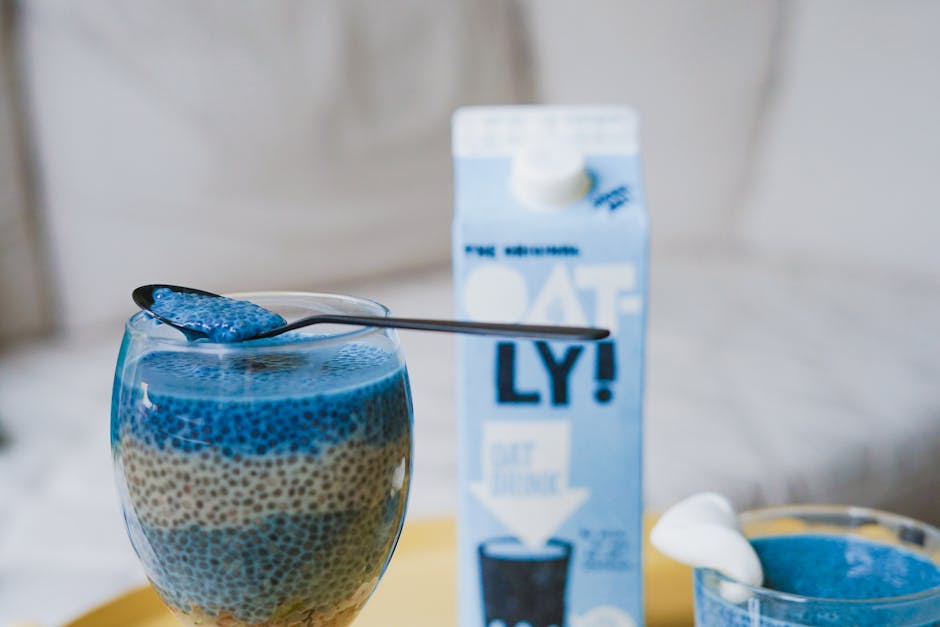
Chia Egg Substitute: Best Alternatives for Any Recipe
The best chia egg substitute for vegan baking and cooking is a flax egg, made from 1 tablespoon ground flaxseed mixed with 3 tablespoons water per chia egg replacement. Other reliable options include aquafaba (3 tablespoons per egg), commercial egg replacers, and applesauce-based binders. Whether you’re dealing with an allergy, pantry shortage, or simply prefer alternatives, finding the right chia egg substitute depends on what you’re making and the texture you’re aiming for. This guide walks you through every viable chia egg substitute with exact ratios, so you can swap with confidence.
Quick Comparison Table
| Substitute | Ratio (per 1 chia egg) | Best For | Result Quality |
|---|---|---|---|
| Flax egg | 1 tbsp ground flaxseed + 3 tbsp water | Brownies, muffins, cookies | ★★★★★ |
| Aquafaba | 3 tbsp aquafaba | Cakes, light baked goods, meringues | ★★★★☆ |
| Commercial egg replacer | Follow package directions (typically 1.5 tsp + 3 tbsp water) | All baking applications | ★★★★☆ |
| Applesauce | ¼ cup unsweetened applesauce | Quick breads, dense cakes, brownies | ★★★☆☆ |
| Mashed banana | ¼ cup mashed banana | Muffins, pancakes, sweet breads | ★★★☆☆ |
| Cornstarch slurry | 2 tbsp cornstarch + 3 tbsp water | Savory baking, pie crusts | ★★★☆☆ |
| Silken tofu | ¼ cup blended silken tofu | Dense cakes, brownies, frostings | ★★★★☆ |
| Psyllium husk powder | 1 tbsp psyllium husk + 3 tbsp water | Bread, pizza dough, structured bakes | ★★★★☆ |
Why Chia Eggs Matter in Vegan Baking
A chia egg is a vegan binder created by mixing chia seeds with water. When chia seeds absorb liquid, their outer coating releases mucilage—a gelatinous substance that acts much like egg white. In traditional baking, eggs perform multiple critical functions: they bind dry ingredients together, trap air bubbles for leavening, add moisture, and create structure as they coagulate during baking. The chia egg addresses binding and moisture primarily, which is why it works so well in brownies, cookies, and dense cakes where structure isn’t entirely dependent on egg proteins.
Understanding this chemistry helps explain why different substitutes work better for different applications. If you need a chia egg substitute, you’re looking for something that can hydrate dry ingredients, provide some structural integrity, and ideally contribute minimal flavor or texture changes. Some substitutes excel at binding but add sweetness (applesauce), while others are nearly flavorless but require more precision (aquafaba). The best choice depends on whether you prioritize structure, moisture, binding power, or neutral flavor for your specific recipe.
1. Flax Egg (Best Overall)
Ratio: 1 tablespoon ground flaxseed + 3 tablespoons water per 1 chia egg
A flax egg is widely considered the gold standard chia egg substitute because it works almost identically to the original. Ground flaxseed contains similar mucilaginous compounds that activate when mixed with water, creating a gel-like binder within 5-10 minutes of mixing. To make a flax egg, combine 1 tablespoon finely ground flaxseed (not whole seeds) with 3 tablespoons room-temperature or cool water in a small bowl. Stir well and let it sit for 5-10 minutes until it develops a gelatinous consistency. The texture will resemble raw egg white and should be incorporated into your batter at room temperature.
Flaxseeds bring a subtle nutty, earthy undertone that complements chocolate, vanilla, and spiced baked goods beautifully. In brownies and chocolate cakes, you’ll rarely detect the flax flavor at all. However, in very delicate cakes like vanilla sponge or white layer cakes, the flavor can be slightly more noticeable. The one trade-off is that flax eggs can produce slightly denser results than traditional eggs in extremely light, airy cakes, though the difference is minimal and most people won’t notice. The binding power is excellent, making this substitute reliable for cookies, muffins, quick breads, and savory applications like veggie patties.
Texture and taste: Produces a subtle nutty undertone, minimal flavor impact in chocolate desserts. Results are very similar in texture to chia eggs—moist, well-bound, and tender in baked goods. In dense cakes and brownies, the difference is virtually undetectable.
Best for: Brownies, chocolate cakes, muffins, cookies, savory veggie patties, and any recipe where you want a neutral, reliable binder that mimics chia egg performance exactly.
2. Aquafaba (Best for Light Bakes)
Ratio: 3 tablespoons aquafaba per 1 chia egg
Aquafaba is the liquid drained from canned chickpeas, and it’s remarkably useful in vegan baking because it contains starches and proteins that mimic egg properties. When whipped, aquafaba can create meringues and foams, but for chia egg replacement, you’re using it as a simple liquid binder. Simply drain a can of chickpeas (unsalted or rinsed if salted) and measure out 3 tablespoons of the starchy liquid. Use it directly in your recipe with no preparation needed. The liquid should be clear to slightly cloudy—if it’s very thick and separated, give it a gentle stir to recombine.
Aquafaba produces exceptionally light, tender baked goods because it doesn’t add any flavor, fat, or density beyond its binding properties. Cakes made with aquafaba tend to rise beautifully and have an almost cloud-like crumb structure. The main consideration is that aquafaba is mostly liquid—it doesn’t have the gel-forming properties of chia or flax eggs. This means it’s best used in recipes that already have sufficient fat from oil or butter, as it won’t add moisture or richness on its own. It’s also not ideal for very wet batters or recipes prone to spreading, since aquafaba provides minimal thickening power compared to seed-based binders.
Texture and taste: Completely neutral flavor, contributes no sweetness or earthiness. Results in lighter, airier crumb structure compared to chia eggs. Produces taller, more voluminous baked goods.
Best for: Delicate cakes, layer cakes, sponge cakes, cupcakes, and any recipe where you want maximum lift and neutral taste. Less ideal for very wet batters or cookies that might spread too much.
3. Commercial Egg Replacer
Ratio: 1.5 teaspoons egg replacer powder + 3 tablespoons water per 1 chia egg (follow your specific brand’s package directions)
Commercial egg replacers like Bob’s Red Mill Egg Replacer, JUST Egg, or similar products are specifically formulated to replace eggs in baking. These products contain starches, gums, and sometimes protein powders designed to mimic egg functionality. The ratio varies slightly by brand, so always check your package—most common recommendations are 1.5 teaspoons powder plus 3 tablespoons water per large egg. Mix the powder with water according to directions and let it sit briefly (usually 2-3 minutes) to hydrate before adding to your batter.
The advantage of commercial replacers is their consistency and reliability across all baking applications. Since they’re specifically engineered for this purpose, they perform predictably in cookies, cakes, quick breads, and savory applications. The batter texture feels familiar because these products are designed to mimic eggs’ behavior chemically. Most brands produce nearly identical results to traditional eggs, though some people report slightly more crumb-like textures in very delicate applications. The downsides are cost (they’re typically more expensive than seed-based options) and shelf life—once opened, many egg replacers are best used within 6-12 months.
Texture and taste: Essentially flavorless, produces results very similar to traditional eggs. Most brands create consistent, reliable baking outcomes across all applications.
Best for: Any baking application where consistency is paramount, including layer cakes, cookies, muffins, and professionally decorated baked goods where texture matters greatly.
4. Applesauce
Ratio: ¼ cup unsweetened applesauce per 1 chia egg
Applesauce works as a chia egg substitute by contributing moisture, slight binding from its pectin content, and gentle structure from its natural sugars. Use unsweetened applesauce exclusively—sweetened versions will throw off your recipe’s sugar balance. Simply measure ¼ cup directly into your batter. No preparation is needed, though you can strain applesauce through a fine mesh if you prefer a smoother result, though this isn’t necessary. The applesauce should be at room temperature for best mixing.
Applesauce creates moist, tender results especially prized in brownies, quick breads, and spiced cakes where apple undertones enhance rather than compete with other flavors. Recipes using applesauce tend to stay moist longer and have a slightly denser crumb than those with flax or aquafaba. This is because applesauce adds significant moisture and some fat, creating a richer mouthfeel. However, applesauce is primarily fruit puree, not a strong binder, so it works best in recipes with other structural elements like flour ratios and baking powder. It’s less suitable for delicate cakes or recipes where you need robust binding power, and it can make cookies spread more during baking.
Texture and taste: Adds subtle fruity sweetness and contributes noticeable moisture. Results are denser and moister than chia eggs, with slightly pronounced apple flavor in neutral-flavored bakes.
Best for: Brownies, quick breads, spiced cakes, muffins, and dense chocolate cakes. Less ideal for delicate layer cakes or crispy cookies.
5. Mashed Banana
Ratio: ¼ cup mashed banana (approximately one small banana) per 1 chia egg
Mashed ripe banana functions similarly to applesauce but with stronger binding power from its higher pectin and starch content. Use bananas that are mostly yellow with some brown speckles—they should be soft but not brown throughout (which indicates overripeness and potential fermentation). Peel the banana, place it in a bowl, and mash thoroughly with a fork until completely smooth with no lumps. Banana mash can be slightly more variable in moisture content than applesauce, so if your mash seems very wet or dry, you may need to adjust other liquid in the recipe slightly.
Banana works best in recipes where banana flavor is either welcome or complements the overall profile—think banana muffins, chocolate banana breads, or pancakes. The binding power is quite good because bananas contain natural pectins and starches that set up during baking. However, the distinct banana flavor makes this substitute unsuitable for vanilla cakes, white chocolate applications, or recipes where neutrality is essential. Banana also adds significant moisture and some density, similar to applesauce, so results tend toward moist, tender crumb structures. This is excellent for quick breads and muffins but may not work as well for cookies or very structured cakes.
Texture and taste: Contributes distinct banana flavor and sweetness, adds moisture and slight density. Results are moist and tender with pronounced fruity undertones.
Best for: Banana-forward recipes like banana bread, banana muffins, chocolate banana cakes, pancakes, and waffles. Avoid for neutral-flavored desserts.
6. Cornstarch Slurry
Ratio: 2 tablespoons cornstarch + 3 tablespoons water per 1 chia egg
A cornstarch slurry is a pure starch binder that works through gelatinization—when cornstarch and water are heated together, the starch granules swell and thicken. To create a cornstarch slurry, whisk 2 tablespoons cornstarch with 3 tablespoons water in a small bowl until completely smooth with no lumps. Let the mixture sit for 2-3 minutes before adding to your batter. The slurry should be stirred again just before incorporating, as cornstarch can settle. This substitute works best in recipes that will be baked at temperatures above 300°F, where the starch will fully gelatinize.
aked goods and pie crusts where you want structure without added flavor or sweetness. Because it’s flavorless and doesn’t add moisture the way applesauce or banana does, it works particularly well in recipes where you’re already managing liquid content carefully, such as pie doughs, crackers, and savory quick breads. The main limitation is that cornstarch slurry provides binding but none of the leavening or richness that eggs typically contribute, so it performs best in recipes that don’t rely heavily on the egg for lift.
Cornstarch slurry works especially well in combination with a small amount of oil or fat if your recipe needs added richness, since the slurry itself contributes no fat. It’s also a reliable choice for recipes baked at higher temperatures, since the starch needs sufficient heat to fully gelatinize and set. Avoid using this substitute in recipes meant to be very light and airy, like sponge cakes, since it lacks any protein structure to trap air bubbles. It shines in denser, more rustic baked goods where a firm, cohesive crumb is the goal.
Texture and taste: Completely flavorless and adds no moisture beyond its water content. Produces a firm, dense crumb structure well-suited to savory and rustic baked goods.
Best for: Savory quick breads, pie crusts, crackers, and dense baked goods where binding matters more than lift or richness.
7. Silken Tofu
Ratio: ¼ cup blended silken tofu per 1 chia egg
Silken tofu is an ultra-soft, custard-like tofu made without pressing, which gives it a smooth, pourable consistency once blended. As a chia egg substitute, it contributes real moisture, protein, and a rich, dense texture that comes closer to mimicking an actual egg’s contribution than most starch-based options. Because silken tofu is unpressed, it retains significantly more water than firm or extra-firm tofu, which is what makes it blend into a smooth, custard-like puree rather than a crumbly paste. Always blend it thoroughly with a food processor, blender, or immersion blender before adding it to your batter—unblended silken tofu will leave noticeable lumps throughout your baked goods.
Silken tofu works best in recipes that are already dense and moist, such as fudgy brownies, rich chocolate cakes, and creamy frostings, where its subtle richness enhances rather than competes with other flavors. It has almost no flavor of its own once blended smooth, though very sensitive palates may detect a faint soy undertone in delicate, light-colored bakes. Because it adds real protein and fat, silken tofu provides more structural integrity than fruit-based substitutes like applesauce or banana, making it a strong option when you need both moisture and binding power in one ingredient. It’s less ideal for recipes that need to rise significantly, since it doesn’t trap air the way whipped aquafaba or eggs do.
Texture and taste: Nearly flavorless with a faint creamy note, contributes real moisture and density. Results in a rich, fudgy crumb that works beautifully in chocolate-forward recipes.
Best for: Fudgy brownies, dense chocolate cakes, cheesecake-style bars, and creamy frostings where richness and moisture are priorities.
8. Psyllium Husk Powder
Ratio: 1 tablespoon psyllium husk powder + 3 tablespoons water per 1 chia egg
Psyllium husk powder is a soluble fiber derived from the seeds of the Plantago plant, and it forms a thick, stretchy gel when combined with water—a property that makes it exceptionally good at mimicking the structural, web-like binding that gluten and eggs provide together. This makes psyllium husk one of the best chia egg substitutes for yeasted breads, pizza dough, and other recipes where you need real structural integrity, not just moisture and binding. To prepare it, whisk 1 tablespoon of psyllium husk powder into 3 tablespoons of water and let it sit for 1-2 minutes until it thickens into a gel similar in consistency to a chia or flax egg.
Psyllium husk is particularly valuable in gluten-free baking, where it’s often used to replace the elasticity and chew that gluten would normally provide. Its gel forms a network that traps gas bubbles from yeast or leavening agents, helping structured bakes rise and hold their shape rather than collapsing. Use finely ground psyllium husk powder rather than whole husks for a smoother texture in delicate recipes, though whole husks work fine in rustic breads. One caution: using too much psyllium husk can result in a slightly slimy or gummy texture, so stick closely to the recommended ratio and avoid substituting it in recipes that already contain significant amounts of other gums or starches.
Texture and taste: Virtually flavorless, produces a springy, cohesive texture with excellent structure. Baked goods hold their shape well and have a pleasant chew similar to traditionally leavened bread.
Best for: Yeasted breads, pizza dough, gluten-free baking, bagels, and any structured bake where chew and rise matter as much as binding.