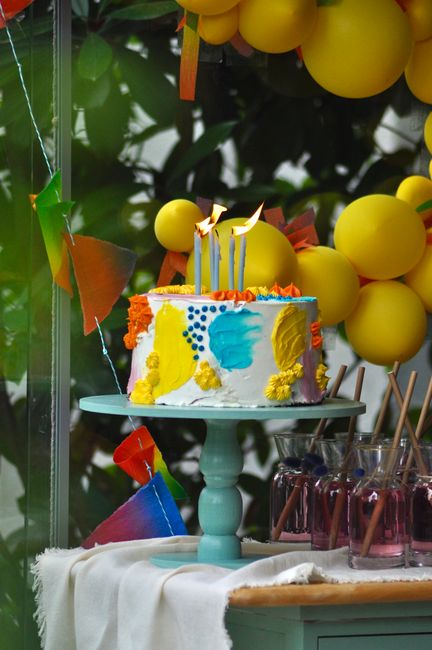
Cake Flour Substitute: Best Alternatives for Any Recipe
The best cake flour substitute for most baking projects is a combination of all-purpose flour and cornstarch. Use 1 cup all-purpose flour mixed with 2 tablespoons cornstarch (sifted together 3-4 times) to replace 1 cup of cake flour. Other excellent options include using all-purpose flour alone with a slight reduction in the amount you use, a blend of all-purpose flour with arrowroot powder, or pastry flour if you have it on hand. Each of these cake flour substitutes will give you slightly different results, but all can produce tender, moist cakes when used correctly.
Quick Comparison Table
| Substitute | Ratio (per 1 cup cake flour) | Best For | Result Quality |
|---|---|---|---|
| All-Purpose Flour + Cornstarch | 1 cup all-purpose + 2 tbsp cornstarch | Layer cakes, cupcakes, delicate cakes | ★★★★★ |
| All-Purpose Flour (Reduced) | ¾ cup + 2 tablespoons all-purpose flour | Most cake recipes, quick fix | ★★★★☆ |
| Pastry Flour | 1 cup pastry flour | Tender cakes, pound cakes, brownies | ★★★★★ |
| All-Purpose + Arrowroot Powder | 1 cup all-purpose + 1½ tbsp arrowroot | Gluten-free compatibility, lighter crumb | ★★★★☆ |
| All-Purpose + Cornstarch (Higher Ratio) | ⅞ cup all-purpose + 3 tbsp cornstarch | Ultra-delicate cakes, angel food variations | ★★★★☆ |
| Flour Blended with Potato Starch | 1 cup all-purpose + 1½ tbsp potato starch | Asian cakes, chiffon cakes, sponge cakes | ★★★★☆ |
| Gluten-Free All-Purpose + Cornstarch | ¾ cup GF flour + ¼ cup cornstarch | Gluten-free baking, dietary needs | ★★★☆☆ |
Why Cake Flour Matters in Baking
Cake flour is a specifically milled flour with a much lower protein content than all-purpose flour—typically around 7-8% protein compared to all-purpose flour’s 10-12% protein. This lower protein content is absolutely critical in cake baking because protein molecules develop into gluten when mixed with liquid and mechanical agitation. Gluten creates structure and chewiness, which is desirable in bread but undesirable in cake. Cake flour produces a tender crumb with a delicate, almost silky texture because less gluten develops during mixing. Additionally, cake flour is bleached, which further softens the flour and helps it absorb liquids more efficiently, resulting in moister, more tender cakes.
The milling process also makes cake flour particles significantly finer than all-purpose flour. This fine texture allows for more even distribution of ingredients and creates a smoother batter. Because cake flour has less protein and is more finely milled, it’s also less dense than all-purpose flour by volume, which is why simple substitution ratios involve slightly less flour or the addition of a starch to compensate. Understanding these differences helps explain why each substitute works the way it does and why the ratios matter so much—you’re essentially trying to replicate both the chemical composition and the physical properties of true cake flour.
1. All-Purpose Flour + Cornstarch (Best Overall)
Ratio: 1 cup all-purpose flour mixed with 2 tablespoons cornstarch (sift together 3-4 times)
This is the gold standard cake flour substitute and works beautifully in virtually every cake application. The science behind it is elegant: cornstarch is pure starch with virtually no protein content. When you combine all-purpose flour (which has about 10-12% protein) with cornstarch, you’re diluting the overall protein content to approximate that of cake flour. The cornstarch also adds to the overall softness and tender crumb structure. Sifting the mixture multiple times is crucial—it aerates the flour, helps distribute the cornstarch evenly, and further reduces the density of the mixture, making it behave even more like the finer cake flour.
The beauty of this substitution is that it’s forgiving and produces remarkably consistent results. When you mix this into your batter, you’ll notice the mixture feels slightly silkier and lighter than all-purpose flour alone. The cornstarch particles are so fine that they contribute to that characteristic tender cake texture. This substitute works equally well in layer cakes, sheet cakes, cupcakes, and delicate sponge cakes. Many professional bakers actually prefer this method to buying pre-packaged cake flour because they can control the exact ratio and ensure the ingredients are fresh.
Texture and taste: Cakes made with this substitute will be nearly indistinguishable from those made with true cake flour. You’ll get a tender, fine crumb with excellent moisture retention. The flavor remains pure and neutral, allowing other ingredients in your recipe to shine. The cake should have that desirable light, delicate texture without any graininess or toughness.
Best for: Wedding cakes, layer cakes, cupcakes, angel food cake variations, chiffon cakes, and any recipe where a tender, delicate crumb is essential. This is your go-to substitute for competitive baking or special occasions.
2. All-Purpose Flour (Reduced Amount)
Ratio: ¾ cup plus 2 tablespoons all-purpose flour per 1 cup cake flour called for
Sometimes the simplest solution is the best one. If you don’t have cornstarch or arrowroot powder on hand, you can simply use less all-purpose flour. This works because reducing the amount of high-protein flour effectively reduces the total gluten development that can occur. By cutting back to about ¾ cup plus 2 tablespoons, you’re compensating for the extra protein content in all-purpose flour compared to cake flour. This method is less precise than mixing in a starch, but it’s surprisingly effective and requires zero additional ingredients.
The downside to this method is that it produces slightly less tender results than the all-purpose plus cornstarch method, and the texture difference becomes more noticeable in delicate recipes. However, for many everyday cake recipes—birthday cakes, coffee cakes, simple sheet cakes—this substitute produces perfectly acceptable results. The reduction in flour volume means you’re creating a slightly wetter batter, which helps compensate for the tighter gluten network that develops with all-purpose flour. Make sure to measure your flour correctly by spooning it into your measuring cup and leveling it off, rather than scooping directly from the bag, which compacts the flour.
Texture and taste: The resulting cake will be slightly less tender than versions made with true cake flour or the flour-plus-cornstarch combination, but still perfectly acceptable for most purposes. The crumb may be slightly less fine and delicate, with a bit more chew. The flavor remains unchanged. This is the least noticeable difference when the cake contains other assertive flavors like chocolate or spices.
Best for: Quick weeknight bakes, everyday cakes, chocolate cakes (where less tenderness is masked by cocoa), coffee cakes, and situations where you need a substitute immediately without measuring additional ingredients.
3. Pastry Flour
Ratio: 1 cup pastry flour per 1 cup cake flour (direct 1:1 substitution)
Pastry flour occupies a perfect middle ground between all-purpose and cake flour, with a protein content of around 8-9%—only slightly higher than cake flour’s 7-8%. This makes pastry flour an excellent direct substitution that requires absolutely no additional ingredients or complicated mixing. If your grocery store carries pastry flour, this is genuinely one of your best options because it’s been specifically milled to produce tender baked goods, though it’s traditionally used for pastries and pie doughs. The protein content is low enough that it produces delicate crumbs similar to cake flour, yet high enough to provide adequate structure for most cake recipes.
Pastry flour is slightly more accessible than cake flour in some regions and specialty stores, though it can still be harder to find than all-purpose flour. The great advantage is that you don’t need to measure multiple ingredients or remember exact ratios—it’s a straightforward one-to-one substitution. Because pastry flour is already optimized for tender baked goods, you’ll get results that are nearly identical to using cake flour. The fine milling and lower protein content give you that signature delicate texture without any guesswork. Some home bakers actually prefer pastry flour because it’s more versatile—you can use it for pastries, pie doughs, and cookies in addition to cakes.
Texture and taste: Cakes made with pastry flour will have a tender, fine crumb that’s virtually identical to those made with cake flour. There’s virtually no discernible difference in texture or taste. The cake will be light, moist, and delicate, with excellent eating quality. You won’t taste any difference compared to cake flour.
Best for: Any cake recipe, from delicate layer cakes to pound cakes to brownies. This is an excellent all-purpose substitute if you have regular access to pastry flour at your grocery store or specialty bakery supplier.
4. All-Purpose Flour + Arrowroot Powder
Ratio: 1 cup all-purpose flour mixed with 1½ tablespoons arrowroot powder (sift together 3-4 times)
Arrowroot powder is a fine starch extracted from tropical plant roots and serves the same function as cornstarch in this mixture—it dilutes the protein content of all-purpose flour and contributes to a tender crumb. Some bakers actually prefer arrowroot to cornstarch because it produces an even lighter, more delicate texture. Arrowroot has a slightly different starch structure than cornstarch, and some people find it creates a marginally more tender result. If you’re particularly sensitive to the quality of your cake’s texture, this might be worth trying. Like cornstarch, arrowroot powder is readily available in most grocery stores, often in the baking aisle near thickening agents.
The key difference between arrowroot and cornstarch is that arrowroot has a lower gelatinization temperature, meaning it thickens at lower temperatures. This can theoretically make baked goods slightly lighter, though the difference is subtle. Arrowroot is also sometimes preferred by people with sensitivities, as it’s gluten-free and has a neutral flavor. The sifting process is just as important here as it is with cornstarch—multiple sifting passes will ensure even distribution of the arrowroot throughout the flour and maximize the aerating effect. Some bakers report that arrowroot-based substitutes produce slightly less dense cakes than cornstarch versions, making this worth experimenting with if you have both products available.
Texture and taste: The resulting cake will be extremely tender with a fine, delicate crumb. Many bakers report that arrowroot creates an even lighter texture than cornstarch. The flavor is neutral and won’t affect the taste of your cake. Some people notice a very slight silkiness to the crumb that’s particularly appealing.
Best for: Delicate cakes where ultimate tenderness is the goal, such as wedding cakes, angel food cake variations, and light sponge cakes. This is also a good choice if you’re looking for a starch that’s considered more “natural” or easier to digest than cornstarch.
5. All-Purpose Flour + Cornstarch (High Ratio)
Ratio: ⅞ cup (14 tablespoons) all-purpose flour mixed with 3 tablespoons cornstarch (sift together 4-5 times)
If you want to take the all-purpose plus cornstarch combination even further toward maximum tenderness, this higher-ratio version adds more cornstarch to create an even softer, more delicate cake. This is essentially creating a flour blend that approximates the composition of the finest cake flour varieties, with protein content pushed down even lower than standard cake flour. This version is perfect for bakers who’ve used the standard 2-tablespoon ratio and wanted even more tenderness, or for recipes that specifically call for extra-tender results. The additional sifting passes are important here since you have a higher proportion of starch, which needs to be distributed evenly to avoid any graininess.
This version is noticeably more delicate than the standard ratio and works beautifully in recipes that are traditionally made with cake flour, such as white layer cakes, vanilla cakes, and delicate sponge cakes. The increased cornstarch does potentially create a slightly less sturdy structure, so this works best in recipes where the cakes aren’t being heavily stacked or decorated with very heavy frostings. Angel food cake-type recipes and chiffon cakes particularly benefit from this higher ratio. If you’re making a massive multi-layer wedding cake that needs to support itself, stick with the standard ratio; if you’re making a two-layer birthday cake, this higher ratio will give you an even more luxurious texture.
Texture and taste: The resulting cake will be exceptionally tender with an almost delicate, silky crumb. This is as tender as you can get without compromising structural integrity. The flavor remains completely neutral, and the texture is noticeably lighter than the standard all-purpose-plus-cornstarch combination. This is the most tender-crumbed option available.
Best for: Ultra-delicate layer cakes, white cakes, vanilla cakes, and any recipe where a delicate, melt-in-your-mouth crumb matters more than sturdy structure. Reach for the standard ratio instead if you’re stacking multiple layers or applying a heavy fondant.
6. Flour Blended with Potato Starch
Ratio: 1 cup all-purpose flour mixed with 1½ tablespoons potato starch (sift together 3-4 times)
Potato starch behaves similarly to cornstarch and arrowroot as a protein diluter, but it has a slightly different texture profile that makes it a favorite for Asian-style sponge cakes, chiffon cakes, and other recipes that call for an especially airy, springy crumb. Potato starch has larger granules than cornstarch and absorbs liquid differently, which can contribute to a slightly springier, more resilient texture rather than the ultra-soft crumb you get from cornstarch or arrowroot. This makes it particularly well-suited to cakes that need to hold their shape through rolling or layering, such as Swiss rolls or castella cake.
Because potato starch is common in Asian grocery stores and increasingly available in mainstream supermarkets, this substitute is a great option if you bake chiffon or sponge cakes regularly. As with the other starch blends, sift the mixture several times to ensure even distribution and to aerate the flour properly. Potato starch is also naturally gluten-free, so this blend can work as a partial gluten-reduction strategy, though it’s not a fully gluten-free substitute on its own since it’s still combined with wheat flour.
Texture and taste: This blend produces a springy, resilient crumb with good moisture retention—slightly different from the ultra-soft texture of cornstarch blends, but equally tender. The flavor is neutral, and the texture holds up particularly well to rolling and folding.
Best for: Chiffon cakes, sponge cakes, Swiss rolls, castella cake, and other recipes where the cake needs to be pliable enough to roll or fold without cracking.
7. Gluten-Free All-Purpose Flour + Cornstarch
Ratio: ¾ cup gluten-free all-purpose flour blend mixed with ¼ cup cornstarch per 1 cup cake flour
For gluten-free bakers, a store-bought gluten-free all-purpose blend combined with extra cornstarch can approximate cake flour’s light texture, though results vary more than with wheat-based substitutes because gluten-free flour blends differ significantly by brand—some rely heavily on rice flour, others on a mix of rice, tapioca, and potato starches. Choose a blend that already contains xanthan gum or another binder if your recipe doesn’t call for one separately, since gluten-free batters need that extra structural support that gluten would normally provide. The higher proportion of cornstarch here compensates for the fact that gluten-free flours generally lack the fine, powdery texture of true cake flour.
Because gluten-free flour blends vary so much, expect to do a bit of experimentation the first time you try this substitute in a given recipe—some blends produce a slightly gritty texture (particularly rice-flour-heavy blends), while others turn out remarkably close to traditional cake flour results. Whisk or sift the flour and cornstarch together thoroughly before use, and consider adding an extra egg or a tablespoon of extra liquid if your batter seems drier than expected, since gluten-free flours often absorb liquid differently than wheat flour.
Texture and taste: Results vary by brand of gluten-free flour used, but generally produce a tender, if slightly less delicate, crumb than wheat-based substitutes. Flavor is usually neutral, though rice-flour-heavy blends can add a faint graininess.
Best for: Gluten-free layer cakes, cupcakes, and other baked goods for bakers avoiding wheat, especially when paired with a gluten-free blend that already includes a binder like xanthan gum.