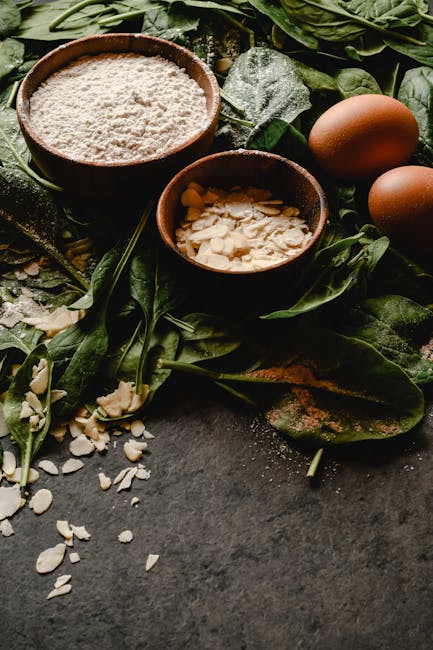
Almond Flour Substitute: Best Alternatives for Any Recipe
The best almond flour substitute for gluten-free baking is coconut flour, used at a ratio of 1/4 cup coconut flour per 1 cup of almond flour called for. Coconut flour is readily available, affordable, and produces remarkably similar results in texture and moisture. Other excellent almond flour substitutes include oat flour (use a 1:1 ratio), sunflower seed flour (1:1 ratio), and a blend of regular all-purpose flour with xanthan gum if you’re not strictly avoiding gluten. Each option brings different properties to your baking, so understanding how they work will help you choose the best almond flour substitute for your specific recipe and dietary needs.
Quick Comparison Table
| Substitute | Ratio (per 1 cup almond flour) | Best For | Result Quality |
|---|---|---|---|
| Coconut Flour | 1/4 cup + 1 egg | Cookies, cakes, quick breads | ★★★★★ |
| Oat Flour | 1 cup (1:1) | Pancakes, muffins, bars | ★★★★☆ |
| Sunflower Seed Flour | 1 cup (1:1) | Cookies, brownies, dense cakes | ★★★★☆ |
| Buckwheat Flour | 3/4 cup + 1/4 cup starch | Pancakes, waffles, flatbreads | ★★★☆☆ |
| Hazelnut Flour | 1 cup (1:1) | Delicate pastries, tarts, macarons | ★★★★★ |
| Chickpea Flour | 2/3 cup + 1/3 cup starch | Savory baking, socca, crepes | ★★★☆☆ |
| Cassava Flour | 3/4 cup + 1/4 cup starch | Brownies, pizza dough, cakes | ★★★★☆ |
| All-Purpose Flour + Xanthan Gum | 1 cup flour + 1.5 tsp xanthan gum | Cookies, cakes, quick breads | ★★★★☆ |
Why Almond Flour Matters in Gluten-Free Baking
Almond flour is a powerhouse ingredient in gluten-free baking because it serves multiple critical functions that most people don’t realize. First, its high fat content—about 50% by weight—creates moisture and richness in baked goods, which is essential because without gluten’s structural network, batters can easily become dry and crumbly. The fat also contributes to tender crumbs and helps bind ingredients together when gluten isn’t available to do that job. Additionally, almond flour contains protein (about 20% by weight) which provides some structural integrity, though not nearly as much as gluten does. This is why almond flour is almost always paired with other binders like eggs, xanthan gum, or starches in gluten-free recipes.
Beyond chemistry, almond flour adds a subtle nutty flavor and slightly coarse texture that’s become beloved in gluten-free circles. It’s also very fine and uniform, which allows it to integrate smoothly into batters and create tender crumbs rather than gritty results. When you’re substituting almond flour, you need to replicate these functions: the moisture and fat content, the binding ability, and ideally some of that pleasant texture and flavor. Different substitutes succeed to varying degrees, which is why the ratio matters so much—you can’t just swap one flour for another 1:1 and expect identical results. Understanding these principles helps you adapt recipes confidently and troubleshoot if something goes wrong.
1. Coconut Flour (Best Overall)
Ratio: 1/4 cup coconut flour + 1 large egg per 1 cup almond flour called for
Coconut flour is the gold standard almond flour substitute, and once you understand how to use it, you’ll find it works beautifully in nearly everything. The reason we use only 1/4 cup instead of a full cup is that coconut flour is incredibly absorbent—it soaks up liquid like a sponge because of its high fiber content (about 60% dietary fiber). If you tried a 1:1 substitution, your batter would turn into a thick paste and your baked goods would be dense and dry. The added egg serves a dual purpose: it provides the fat and binding power that almond flour’s natural oils would have contributed, and it adds the extra moisture needed to compensate for coconut flour’s thirsty nature. Coconut flour works particularly well in recipes that already contain plenty of liquid—cakes, brownies, cookies with wet ingredients, and quick breads.
One important note: when baking with coconut flour, give your batter 10-15 minutes to rest before baking. This allows the flour to fully hydrate, which prevents overly dense results. You might also notice that coconut flour batters look slightly looser than you’d expect—this is actually correct. Trust the process. The coconut flour will absorb liquid during the bake and set up properly. If your recipe uses minimal wet ingredients to begin with, you may need to add 2-3 extra tablespoons of liquid (milk, water, or melted butter) along with that extra egg.
Texture and taste: Coconut flour produces a slightly denser, more tender crumb than almond flour, with a subtle coconut flavor that’s barely noticeable in most recipes (and actually complementary in chocolate desserts, tropical flavors, or coffee cakes). The texture is still soft and pleasant, not gritty or heavy, especially if you follow the resting period.
Best for: Chocolate cakes, brownies, cookies, quick breads, muffins, and anywhere you have a recipe with plenty of liquid already incorporated.
2. Oat Flour (Best for Texture)
Ratio: 1 cup oat flour per 1 cup almond flour (1:1 ratio)
Oat flour is a wonderfully accessible almond flour substitute because you can make it yourself by grinding rolled oats in a food processor for about 2 minutes, or you can buy it pre-made at any grocery store. For substitution purposes, it’s straightforward: replace almond flour measure-for-measure with oat flour. This works because oat flour has a reasonably high fat content (about 9%) and moderate protein content (about 15%), making it structurally similar enough to almond flour for a direct swap. Oats also have natural binding properties and a pleasant, slightly sweet flavor that most people find neutral or even appealing.
The main thing to understand with oat flour is that it produces a slightly different texture—oat-based baked goods tend to be a touch more tender and sometimes a bit more crumbly than almond flour versions, especially in cookies. This isn’t a flaw; it’s just the nature of the ingredient. To minimize crumbliness in cookies, make sure your wet ingredients are well-mixed and consider adding a tablespoon of extra butter or an additional egg yolk to increase fat content. In cakes and quick breads, oat flour produces excellent, moist results with very minimal adjustment needed. Oat flour is also gluten-free (when you buy certified gluten-free oats), nut-free, and typically very affordable, making it a practical choice for many households.
Texture and taste: Oat flour creates a tender, slightly more crumbly crumb than almond flour, with a subtle, slightly sweet, wholesome oat flavor. The texture is never gritty or sandy; it’s pleasant and uniform.
Best for: Pancakes, waffles, muffins, cookies, granola bars, and breakfast-type baked goods where the oat flavor is actually an asset.
3. Sunflower Seed Flour (Best for Nut Allergies)
Ratio: 1 cup sunflower seed flour per 1 cup almond flour (1:1 ratio)
Sunflower seed flour is an excellent nut-free almond flour substitute, making it ideal if you’re dealing with tree nut allergies or nut-free requirements. It’s made from finely ground sunflower seeds and is practically neutral in flavor—much more neutral than almond flour, actually. The nutritional profile is quite similar to almond flour, with about 45% fat and 20% protein, which is why the 1:1 substitution works so well. Sunflower seed flour integrates beautifully into batters and creates results that are nearly indistinguishable from almond flour in most applications, particularly in cookies, brownies, and dense cakes.
One quirk with sunflower seed flour is that in recipes with chocolate, some people report the flavor of the sunflower seeds coming through slightly more prominently—it’s subtle, but it’s there. This is easily solved by either embracing it or using recipes where sunflower’s gentle flavor won’t interfere. Another consideration: sunflower seed flour can sometimes produce slightly denser baked goods than almond flour, especially in delicate cakes. If you find your results are denser than desired, try adding an extra egg yolk or 1-2 tablespoons of oil to increase richness and moisture. Sunflower seed flour is also more sustainable than almond flour (almonds require significant water resources) and is usually cheaper, making it a practical choice.
Texture and taste: Sunflower seed flour produces a texture that’s nearly identical to almond flour—fine, tender crumb with no grittiness. The flavor is neutral to slightly earthy, letting other flavors shine through.
Best for: Cookies, brownies, muffins, dense cakes, and any recipe where you need a nut-free option that performs like almond flour.
4. Hazelnut Flour (Best for Delicate Pastries)
Ratio: 1 cup hazelnut flour per 1 cup almond flour (1:1 ratio)
If you’re looking for the closest flavor and texture match to almond flour, hazelnut flour is your answer. It’s another tree nut flour, so it won’t help with nut allergies, but if you’re simply out of almond flour and have hazelnuts on hand—or if you want to experiment with a different nutty flavor—hazelnut flour is nearly identical in both fat content (about 50%) and protein content (about 15%). You can use it at a 1:1 ratio with virtually no adjustments needed. The main difference you’ll notice is a richer, more pronounced nutty flavor, which is absolutely delightful in the right applications. Hazelnut flour is excellent in European-style pastries, delicate cakes, and anywhere you want that elevated, sophisticated flavor profile.
Hazelnut flour can be harder to find than almond flour and is typically more expensive, which is why it’s not the default recommendation for most home bakers. However, if you can source it, it’s an excellent option. Some people make their own by finely grinding roasted, blanched hazelnuts, which can actually be more economical if you find good deals on whole nuts. The flavor is slightly earthier and deeper than almond flour, with hints of chocolate naturally appearing (which is why it’s so magnificent in hazelnut chocolate combinations). Hazelnut flour performs beautifully in tarts, macarons, delicate sponge cakes, and any recipe where the nut flavor is meant to be a feature rather than a background note.
Texture and taste: Nearly identical to almond flour in texture—fine and tender—but with a richer, more pronounced hazelnut flavor that some describe as deeper and slightly more earthy than almond.
Best for: French pastries, macarons, delicate cakes, tarts, and anywhere you want a premium nutty flavor to be noticed.
5. Cassava Flour (Best for Neutral Flavor)
Ratio: 3/4 cup cassava flour + 1/4 cup cornstarch or tapioca starch per 1 cup almond flour
Cassava flour is a starchy flour made from the cassava root, and it’s becoming increasingly popular in gluten-free baking. Pure cassava flour is very starchy and doesn’t contain much fat or protein, which is why we combine it with an equal part starch—the two together create better structure and texture. This blend works because the added starch provides the light, tender crumb you’d get from almond flour’s fat content. Cassava flour itself is completely neutral in flavor, which makes it ideal if you want your other flavors—vanilla, chocolate, fruit—to take center stage without any competing nut flavor.
One important thing to note: cassava flour can sometimes create a slightly grainy or sandy texture if not handled carefully. To avoid this, make sure your wet ingredients are thoroughly mixed and that the flour is well incorporated. Also, cassava flour tends to brown quickly, so watch your baking time carefully—you might need to reduce oven temperature by 25°F or cover the top of your baked good with foil halfway through baking to prevent over-browning. The cassava and starch blend works particularly well in brownies, pizza dough, and recipes where you want a denser crumb. It’s also excellent for people with seed allergies since it’s neither a seed nor a nut.
Texture and taste: Cassava flour produces a finer, slightly lighter crumb than pure almond flour would, with absolutely neutral flavor. There’s minimal risk of any competing tastes.