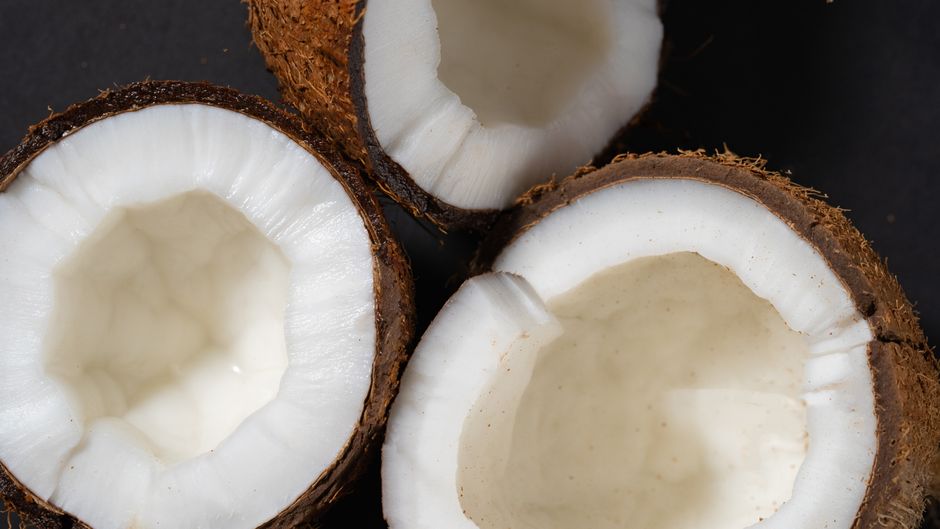
Coconut Oil Substitute: Best Alternatives for Any Recipe
The best coconut oil substitute for cooking and baking is butter, using a 1:1 ratio by volume or weight. If you’re avoiding dairy, refined vegetable oil works equally well and won’t impart any competing flavors. Other solid options include avocado oil for high-heat cooking, ghee for that rich taste coconut oil provides, and palm oil if you specifically want a tropical fat with similar properties.
Quick Comparison Table
| Substitute | Ratio (per 1 cup coconut oil) | Best For | Result Quality |
|---|---|---|---|
| Butter | 1 cup (227g) | Baking, sautéing, browning | ★★★★★ |
| Refined Vegetable Oil | 1 cup (218g) | High-heat cooking, neutral flavor needs | ★★★★☆ |
| Ghee | 1 cup (218g) | Indian cooking, high-heat applications | ★★★★★ |
| Avocado Oil | 1 cup (218g) | High-heat cooking, salad dressings | ★★★★☆ |
| Palm Oil | 1 cup (216g) | Tropical recipes, vegan baking | ★★★★☆ |
| Olive Oil | 1 cup (218g) | Low-to-medium heat cooking, Mediterranean dishes | ★★★☆☆ |
| Canola Oil | 1 cup (218g) | General cooking, baking, neutral applications | ★★★★☆ |
| Applesauce (for baking) | ¾ cup (180g) | Cakes, muffins, brownies, reduced-fat baking | ★★★☆☆ |
Why Coconut Oil Matters in Cooking and Baking
Coconut oil serves a specific purpose in the kitchen because of its unique chemical structure and solid state at room temperature. Unlike most liquid oils, coconut oil is rich in saturated fats—particularly lauric acid—which gives it a melting point around 76°F (24°C). This means coconut oil is solid in cool kitchens and melts into a liquid as it warms, making it ideal for creating flaky pie crusts, tender biscuits, and creamy frosting. When you’re baking, those solid fat particles cut through flour, creating pockets of air that produce the tender crumb structure we seek in pastries and cakes. Additionally, coconut oil adds a subtle tropical flavor (when unrefined) or remains completely neutral (when refined), which matters significantly depending on the dish.
The functional role of coconut oil in cooking includes its high smoke point (around 350°F for virgin, 450°F for refined), making it suitable for medium to high-heat applications. Because coconut oil is a saturated fat, it’s more stable than unsaturated oils when heated, meaning it’s less prone to breaking down and creating harmful compounds. In baking specifically, the fat-soluble flavor compounds and consistent melting behavior help emulsify batters and create rich, moist cakes. When you’re replacing coconut oil, you need to consider whether you’re looking for that solid-fat characteristic, the smoke point stability, the flavor profile, or all three—because different substitutes excel in different areas.
1. Butter (Best Overall)
Ratio: 1 cup coconut oil = 1 cup (227g) butter
Butter stands as the most versatile coconut oil substitute because it mimics coconut oil’s solid state at room temperature and shares a similar fat content (about 80% fat). Butter is actually the easiest swap for most baking applications—cookies, cakes, pie crusts, and pastries all respond beautifully to butter since it’s what professional bakers have relied on for centuries. When melted, butter works equally well for sautéing vegetables or cooking savory dishes. The key difference is that butter contains milk solids and water (about 15-20%), whereas coconut oil is pure fat. This means butter will brown and develop nutty flavors as it heats—which is absolutely desirable in many contexts but requires attention if you want to avoid darkening your batter.
When substituting butter for coconut oil in baking, keep your ingredients cold if you want a particularly flaky texture in pastries. Cut cold butter into small cubes before mixing it into dry ingredients, just as you would with coconut oil. The water content in butter can actually make your baked goods slightly more tender and moist compared to coconut oil, which many bakers prefer. For cookies, you might notice they spread slightly more because butter is a bit softer than solid coconut oil at room temperature—this is generally a positive outcome since it creates thinner, crispier edges.
Texture and taste: Butter creates a richer, more indulgent flavor than coconut oil and produces slightly more tender baked goods due to its water content. Pastries may be marginally less flaky than those made with coconut oil, but the difference is imperceptible to most palates. Savory dishes gain a deeper, more savory character.
Best for: All-purpose cooking and baking, pie crusts, cookies, cakes, sautéing vegetables, browning meats, making sauces, and any recipe where you want classic, rich butter flavor.
2. Refined Vegetable Oil (Best for Neutral Flavor)
Ratio: 1 cup coconut oil = 1 cup (218g) refined vegetable oil
Refined vegetable oil—typically a blend of soybean, canola, corn, and/or cottonseed oils—provides the most neutral flavor profile and works in any situation where you want coconut oil’s functionality without any taste interference. This coconut oil substitute is exceptional for high-heat cooking because refined vegetable oil has a smoke point around 400°F (204°C), making it suitable for deep frying, stir-frying, and searing. The oil is completely flavorless, so it won’t compete with delicate spices or ingredients in your dish. Since refined vegetable oil is liquid at room temperature, it behaves differently than coconut oil in baking—you won’t get that same flaky texture in pie crusts, but your cakes and quick breads will be wonderfully moist.
In baking applications, simply substitute the coconut oil with the same volume of refined vegetable oil and proceed as written. Your cookies might spread a bit more (since the oil is liquid rather than solid), and you’ll achieve a more cake-like rather than crispy texture. For savory cooking, this is genuinely a 1:1 swap that creates virtually no textural changes. Some bakers prefer vegetable oil for delicate cakes where they want maximum moisture and don’t want any competing flavors. The main consideration is that liquid oil won’t create the same tender, flaky layers in pastry doughs that solid fats like coconut oil or butter do.
Texture and taste: Refined vegetable oil produces slightly more tender, moist baked goods than coconut oil, with absolutely no flavor contribution. Cookies will be softer; cakes will be moister. Savory dishes taste identical to those made with coconut oil since both are neutral fats.
Best for: High-heat cooking, stir-fries, deep frying, cake and quick bread baking, any recipe where neutral flavor is essential, and situations where you specifically want moist rather than flaky results.
3. Ghee (Best for Rich Flavor and High Heat)
Ratio: 1 cup coconut oil = 1 cup (218g) ghee
Ghee, also called clarified butter, is butter with all milk solids and water removed, leaving pure butterfat. This coconut oil substitute is exceptional because it delivers the richness and cooking behavior of butter while achieving the high smoke point (around 450°F/232°C) that coconut oil offers. Ghee is solid or semi-solid at room temperature depending on ambient conditions, making it perfect for baking applications where you want a flaky texture. What sets ghee apart is its complex, nutty flavor—created by the Maillard reaction that happens when butter is clarified—which elevates everything from savory curries to sweet pastries. If you love the subtle richness that coconut oil provides, ghee takes that quality and amplifies it with a deeply satisfying, toasted butter flavor.
Ghee is particularly stellar in Indian and Middle Eastern cooking, where its nutty character enhances spiced dishes beautifully. In baking, ghee works identically to butter—use it cold and cut into pieces for maximum flakiness in pie crusts and biscuits. Because ghee has virtually no water content (unlike butter), it might create slightly crisper, flakier pastries than butter alone, though the difference is minimal. You can find ghee in most grocery stores now, either in the international aisle or near cooking oils. If you can’t find it, you can make ghee at home by slowly melting butter and letting the milk solids settle to the bottom, then carefully pouring off the clarified fat.
Texture and taste: Ghee adds a rich, warm, nutty flavor that’s more pronounced than butter but still entirely delicious. It creates flaky pastries similar to butter and coconut oil. The flavor is assertive, so it works best in recipes that can handle complexity rather than delicate, subtle flavor profiles.
Best for: Indian cooking, spiced desserts, high-heat cooking and searing, pie crusts and pastries, recipes where you want pronounced buttery flavor, and anyone seeking the richest possible coconut oil substitute.
4. Avocado Oil (Best for High-Heat Cooking)
Ratio: 1 cup coconut oil = 1 cup (218g) avocado oil
Avocado oil is pressed from avocado fruit and stands out as one of the highest-smoke-point cooking oils available—around 520°F (271°C)—making it the best coconut oil substitute for intense heat cooking like wok stir-frying, searing steaks, or deep frying. The oil is liquid at room temperature and has a mild, slightly buttery flavor that won’t overpower delicate dishes. Avocado oil is rich in monounsaturated fats and vitamin E, which some cooks prefer for health reasons. Since it’s liquid, it won’t work for creating flaky pastries the way solid coconut oil does, but it’s excellent for cakes, brownies, and any baking application where moisture is valued over texture.
In savory cooking, avocado oil shines because it can handle extremely high temperatures without breaking down or smoking, making it ideal for professional-style cooking at home. The flavor is subtle enough that it won’t compete with your ingredients, yet complex enough to be satisfying on its own. Avocado oil is becoming increasingly available in mainstream grocery stores, though it’s typically more expensive than vegetable or coconut oil. For baking, treat it exactly like refined vegetable oil—your baked goods will be moist and tender with no flavor interference. The main drawback is cost; if you’re looking for an economical substitute, avocado oil might stretch your budget.
Texture and taste: Avocado oil is neutral in flavor with a barely perceptible buttery note. Baked goods made with avocado oil are moist and tender, similar to vegetable oil. Savory dishes cooked in avocado oil taste essentially the same as those made with coconut oil, just with better stability at extreme temperatures.
Best for: High-heat cooking, wok cooking, searing, deep frying, health-conscious cooks seeking monounsaturated fats, and moist cake and brownie baking.
5. Palm Oil (Best Vegan Substitute)
Ratio: 1 cup coconut oil = 1 cup (216g) palm oil
Palm oil is extracted from the fruit of palm trees and is technically the closest coconut oil substitute because it shares similar cooking properties—it’s solid or semi-solid at room temperature, has a relatively high smoke point (around 450°F/232°C), and contains comparable fat chemistry. In fact, palm oil and coconut oil are both high in saturated fats, meaning they behave nearly identically in baking applications. Palm oil will create flaky pie crusts, tender cookies, and rich cakes just like coconut oil does. The flavor is mild and somewhat neutral, though refined palm oil is completely flavorless while unrefined versions have a slightly earthy character. For vegans specifically seeking a butter substitute, palm oil is invaluable since it provides that solid-fat functionality that liquid oils cannot.
There’s an important environmental consideration with palm oil—large-scale palm oil production has contributed to deforestation in Southeast Asia. If you choose palm oil, seek out certified sustainable palm oil (CSPO) from producers committed to environmental responsibility. The cooking and baking behavior of palm oil is so similar to coconut oil that existing recipes require absolutely no adjustment—it’s a direct 1:1 substitute. Some people find palm oil slightly less flavorful than coconut oil, but this is largely imperceptible. Palm oil is increasingly available in health food stores and online, and it’s often more affordable than alternatives like avocado oil.
Texture and taste: Palm oil is virtually indistinguishable from coconut oil in baking results—same flakiness in pastries, same tender crumb in cakes. Flavor-wise, it’s neutral to slightly earthy depending on whether you choose refined or unrefined varieties.
Best for: Vegan baking and cooking, recipes requiring a solid fat substitute, anyone seeking a coconut oil alternative that behaves identically, and tropical or Caribbean-inspired recipes.