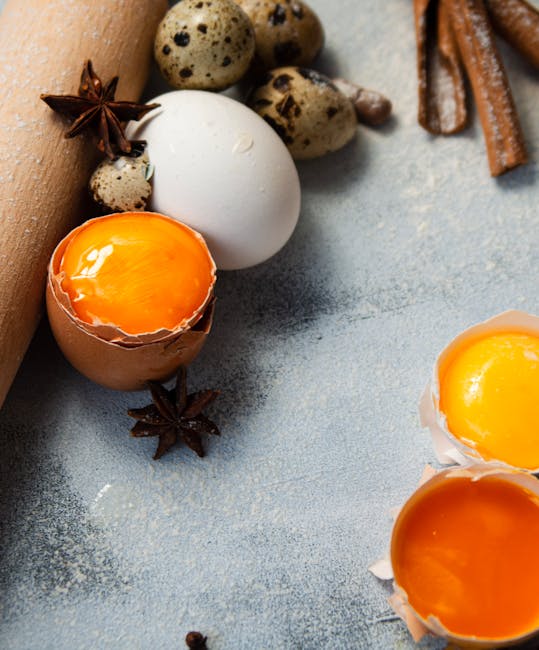
Egg Yolk Substitute: Best Alternatives for Any Recipe
The best egg yolk substitute for binding and emulsifying is cornstarch slurry. Use 1 tablespoon of cornstarch mixed with 3 tablespoons of water or milk for every 1 egg yolk. Other excellent options include aquafaba (the liquid from canned chickpeas at a 3:1 ratio), xanthan gum (1/4 teaspoon per egg yolk), and plain Greek yogurt (2 tablespoons per egg yolk). Each of these egg yolk substitutes works differently depending on your recipe, but they all provide the binding and emulsifying power you need without the egg.
Quick Comparison Table
| Substitute | Ratio (per 1 egg yolk) | Best For | Result Quality |
|---|---|---|---|
| Cornstarch Slurry | 1 tbsp cornstarch + 3 tbsp water | Sauces, gravies, custards | ★★★★★ |
| Aquafaba | 3 tbsp aquafaba | Emulsions, mayo, dressings | ★★★★☆ |
| Xanthan Gum | 1/4 tsp xanthan gum + 1 tbsp liquid | Baking, thick sauces | ★★★★★ |
| Greek Yogurt | 2 tbsp Greek yogurt | Baking, custards, creamy sauces | ★★★★☆ |
| Lecithin | 1 tsp lecithin + 2 tbsp liquid | Emulsions, hollandaise | ★★★★★ |
| Arrowroot Powder | 1 tbsp arrowroot + 3 tbsp water | Sauces, puddings, glazes | ★★★★☆ |
| Tapioca Starch | 1 tbsp tapioca starch + 3 tbsp water | Asian sauces, puddings | ★★★★☆ |
| Silken Tofu | 1/4 cup silken tofu (blended) | Baking, creamy sauces, custards | ★★★☆☆ |
Why Egg Yolks Matter in Binding and Emulsifying
Egg yolks are culinary workhorses, and understanding why they’re so valuable helps you choose the right substitute. An egg yolk contains about 50% water, 32% fat, and 17% protein, but what makes it special for binding and emulsifying is the presence of lecithin—a natural emulsifier that helps fats and water-based liquids blend together smoothly. When you’re making mayonnaise, hollandaise, custard, or a silky pan sauce, the yolk’s proteins denature (unwind) when heated, creating a network that traps moisture and fat, while the lecithin prevents the fats from separating. This is why egg yolks create that luxurious, glossy texture in everything from chocolate mousse to béarnaise sauce.
In baking, egg yolks contribute richness, color (from their natural golden hue), and structural support through their protein content. They also contain fat that creates tender, moist crumbs and helps bind dry ingredients together. When you’re looking for an egg yolk substitute, you need something that replicates at least one of these functions—ideally the emulsifying power or the binding capacity. Some substitutes lean heavily into the emulsifying role (like aquafaba and lecithin), while others prioritize thickening and binding (like cornstarch and xanthan gum). The best choice depends on whether your recipe needs that smooth, creamy emulsion or just the structural integrity that keeps ingredients from separating.
1. Cornstarch Slurry (Best Overall)
Ratio: 1 tablespoon cornstarch mixed with 3 tablespoons water or milk per 1 egg yolk
Cornstarch slurry is the most reliable, all-purpose egg yolk substitute for binding and thickening applications. Here’s how it works: cornstarch is a refined carbohydrate made from corn kernels that becomes a powerful thickener when heated with liquid. When you mix cornstarch with cold liquid, you create a slurry that won’t clump—this is crucial. The starch granules absorb water as they heat, swelling up and gelatinizing, which creates that thick, glossy consistency you’re looking for in sauces and gravies. What makes cornstarch particularly useful as an egg yolk substitute is that it provides both body and shine without adding much flavor.
To use cornstarch slurry, whisk the cornstarch and liquid together until completely smooth before adding it to your hot sauce or gravy. This prevents lumps from forming. Add it slowly to your simmering liquid while stirring constantly, and keep stirring for 1-2 minutes after you’ve added the slurry—this allows the starch to fully gelatinize and reach maximum thickening power. The mixture will initially look opaque as you add it, but it will become clear and glossy as it heats, which is your signal that the starch has fully cooked. One important note: cornstarch-thickened sauces cannot be reheated indefinitely. The starch will eventually break down if you heat it repeatedly, and the sauce will become thin and watery. This is called starch retrogradation, and it’s why restaurant chefs sometimes switch to other thickeners for sauces that need to be held at serving temperature for extended periods.
Texture and taste: Cornstarch creates a glossy, smooth sauce with a slightly silky mouthfeel, though it won’t have the richness of an egg-yolk-based sauce. The flavor is completely neutral. The resulting sauce may be slightly less opulent than one made with egg yolk, but visually it will be equally beautiful.
Best for: Pan sauces, gravies, puddings, pie fillings, Asian stir-fry sauces, and any recipe where you need thickening without additional flavor.
2. Aquafaba (Best for Emulsions)
Ratio: 3 tablespoons aquafaba per 1 egg yolk
Aquafaba is the liquid from canned or cooked chickpeas, and it’s become a game-changer for people making egg-free mayonnaise, aioli, hollandaise, and other emulsified sauces. For years, plant-based cooks struggled with these recipes because egg yolks are supreme emulsifiers, but aquafaba contains saponins and starches that mimic the emulsifying behavior of lecithin remarkably well. When you whisk aquafaba with oil, it gradually incorporates the oil droplets into the liquid, creating that thick, creamy emulsion that traditional mayo demands. The magic happens through mechanical whipping—the proteins in aquafaba unwind from agitation, surrounding the oil droplets and preventing them from coalescing back into a single layer of separated fat.
To make aquafaba mayo or aioli, start with 3 tablespoons of aquafaba at room temperature (cold liquids whip slower) in a bowl. If you’re using store-bought canned chickpeas, strain the liquid directly from the can—no rinsing needed, as those starches are your binding agents. Begin whisking vigorously (or use an immersion blender set to high speed) and add your oil drop by drop, just like you would with traditional mayo. The mixture will look thin and unpromising at first, but after 1-2 minutes of vigorous whisking as you add drops of oil, it will suddenly thicken dramatically. Once you’ve added about one-third of your oil and the mixture has emulsified, you can add the remaining oil in a thin stream rather than drops—this speeds up the process considerably. Add lemon juice, Dijon mustard, minced garlic, and salt at the end to taste.
Texture and taste: Aquafaba-based emulsions develop a slightly thinner, less rich texture compared to traditional egg yolk versions, but the difference is subtle if you don’t overwhisk. The flavor is completely neutral. Some people detect a very faint chickpea undertone if they use aquafaba from store brands with added salt, so look for low-sodium varieties or use homemade aquafaba from cooking dried chickpeas.
Best for: Vegan mayo, aioli, hollandaise, béarnaise, salad dressings, and any emulsified sauce where you need the ingredient to play a structural role.
3. Xanthan Gum (Best for Precision Baking)
Ratio: 1/4 teaspoon xanthan gum dissolved in 1 tablespoon water or milk per 1 egg yolk
Xanthan gum is a powerful thickening and binding agent made through bacterial fermentation—it’s gluten-free, flavorless, and incredibly potent. A tiny amount goes a long way, which is why the ratio is so small compared to other substitutes. This ingredient works through a completely different mechanism than cornstarch: xanthan gum is a polysaccharide that creates a viscous liquid by forming a network structure that traps water molecules, rather than by gelatinizing like starch does. This means xanthan gum-thickened sauces remain stable even if reheated or if they cool and warm up repeatedly—they don’t break down like cornstarch eventually does.
When using xanthan gum as an egg yolk substitute, dissolve it in cold liquid first to prevent lumping, then add it to your hot sauce or batter. It works immediately without requiring cooking time, which is different from cornstarch. If you’re using it in baking, you can mix the xanthan gum with your dry ingredients before adding wet ingredients, or dissolve it in a portion of your liquid and add it that way. Xanthan gum has one peculiarity: it can create a slightly slimy or gel-like texture if overused, so precision with the measurements is important. This is why bakers favor xanthan gum for gluten-free formulas—it mimics the binding power of gluten’s protein network. Start with the recommended amount and only increase if your baked goods are crumbly or falling apart.
Texture and taste: Xanthan gum creates a silky, smooth sauce or batter with no perceptible flavor. Baked goods made with xanthan gum as an egg yolk substitute will have good structure and moisture retention, though some people detect a very slight, almost imperceptible slickness if the gum is overused. At proper ratios, the result is excellent.
Best for: Gluten-free baking, custards, puddings, sauces that need to be reheated, and any application where you need a precise, stable thickener.
4. Greek Yogurt (Best for Richness)
Ratio: 2 tablespoons plain Greek yogurt per 1 egg yolk
Greek yogurt is thick, creamy, and full of protein—two tablespoons of Greek yogurt contains about 4-5 grams of protein compared to the 3 grams in an egg yolk, making it an excellent structural substitute. Plain, unsweetened Greek yogurt works best here; avoid flavored varieties that would introduce unwanted sweetness or fruit notes. The protein in yogurt coagulates when heated, just like egg protein does, which creates structure and helps bind ingredients together. Additionally, yogurt brings moisture and fat content from the milk base, so baked goods and sauces made with it tend to be tender and rich. The slight acidity in yogurt (from lactic acid produced during fermentation) also provides a subtle tang that can actually enhance baked goods by reacting with baking soda for better rise and browning.
When substituting Greek yogurt for egg yolk in baking, use it straight from the container—no mixing needed. In custards and sauces, you might want to whisk it smooth if it’s clumpy before adding it to your hot base. Because yogurt contains less fat than an egg yolk (though more moisture), baked goods might be slightly less tender unless you increase your fat content slightly elsewhere in the recipe. For every 1 egg yolk you’re replacing, consider adding 1/2 teaspoon of extra butter or oil to compensate for the fat difference. For savory applications like creamy sauces, Greek yogurt works beautifully and creates a luxurious, tangy result that complements herbs and spices particularly well. Just remember that yogurt is already cooked (pasteurized) during production, so if you’re using it in a sauce, keep the heat at medium or below to prevent the proteins from curdling and separating.
Texture and taste: Baked goods made with Greek yogurt have a tender, moist crumb and a subtle tang. Sauces become creamy and luxurious with a pleasant tartness. The texture is slightly less silky than egg yolk-based preparations but arguably more interesting from a flavor perspective.
Best for: Cakes, muffins, quick breads, custards, creamy salad dressings, pasta sauces, and any recipe where you want to add richness and subtle tang.
5. Lecithin (Best for Professional Emulsions)
Ratio: 1 teaspoon soy lecithin or sunflower lecithin mixed with 2 tablespoons liquid per 1 egg yolk
Lecithin is the actual emulsifying compound found in egg yolks, and you can buy it as a standalone ingredient in powder form. Soy lecithin and sunflower lecithin are the most common varieties, with sunflower lecithin being the more popular choice today since it’s allergen-friendly and doesn’t carry the mild bitterness some tasters detect in soy lecithin. Lecithin is what food scientists call a true emulsifier: its molecular structure has both a water-loving (hydrophilic) end and a fat-loving (hydrophobic) end, which lets a single molecule physically bridge oil and water so they stay blended instead of separating. This is exactly the mechanism egg yolks use naturally, which is why lecithin is considered the most technically accurate substitute on this list, even though it requires a bit more precision to use well.
To use liquid or powdered lecithin, whisk it into 2 tablespoons of room-temperature water, milk, or the liquid your recipe already calls for until fully dissolved, then add it to your base before you start incorporating fat. For hollandaise or beurre blanc, whisk the lecithin mixture into your acid base (lemon juice or vinegar reduction) before slowly streaming in melted butter, exactly as you would with egg yolks. Lecithin is also heat-stable up to very high temperatures, so sauces made with it can be gently rewarmed without breaking, an advantage over both traditional egg-yolk emulsions and cornstarch-thickened ones. Because it’s flavorless and works in such small quantities, professional pastry chefs and molecular gastronomy cooks often keep a jar on hand specifically for stabilizing sauces, foams, and vinaigrettes that would otherwise split.
Texture and taste: Sauces made with lecithin are silky, glossy, and remarkably stable, with a mouthfeel very close to a classic hollandaise or mayonnaise. The flavor is neutral, so it won’t mask butter, lemon, or herb notes in your finished sauce.
Best for: Hollandaise, béarnaise, beurre blanc, vinaigrettes, mayonnaise, and any emulsified sauce that needs to hold up to reheating or sitting for a while before serving.
6. Arrowroot Powder (Best for Glossy Finishes)
Ratio: 1 tablespoon arrowroot powder mixed with 3 tablespoons water per 1 egg yolk
Arrowroot powder is a starch extracted from the root of the arrowroot plant, and it behaves similarly to cornstarch but with a few meaningful differences that make it worth stocking separately. Arrowroot thickens at a lower temperature than cornstarch and produces a clearer, glossier finish, which makes it especially well-suited to fruit glazes, clear sauces, and puddings where cornstarch’s slight cloudiness would be noticeable. To use it as an egg yolk substitute, whisk 1 tablespoon of arrowroot powder into 3 tablespoons of cold water until smooth, then stir the slurry into your hot liquid and cook just until it thickens, usually less than a minute. Unlike cornstarch, arrowroot can turn slimy or stringy if it’s overcooked or simmered too long, so add it near the end of cooking and remove the pan from heat as soon as the sauce reaches the desired thickness.
Arrowroot also has an advantage over cornstarch in acidic recipes: it holds its thickening power better in the presence of citrus juice, wine, or vinegar, which can weaken cornstarch’s gelling ability. It’s also a good option for anyone avoiding corn, since it’s derived from a root vegetable instead. One drawback is that arrowroot doesn’t tolerate dairy well over prolonged cooking, so it’s better suited to fruit-based or clear sauces than to long-simmered cream sauces.
Texture and taste: Arrowroot produces a glassy, translucent sheen and a smooth, slightly slippery texture that’s prized in glazes and fruit sauces. The flavor is neutral, though the texture is a touch more delicate than cornstarch and can break down if held too long over heat.
Best for: Fruit glazes, clear sauces, puddings, pie fillings, and acidic sauces where you want a glossy, transparent finish.
7. Tapioca Starch (Best for Asian Sauces)
Ratio: 1 tablespoon tapioca starch mixed with 3 tablespoons water per 1 egg yolk
Tapioca starch, extracted from the cassava root, is a staple thickener in many Asian and Latin American kitchens and makes a reliable egg yolk substitute anywhere you want a glossy, slightly chewy-bodied sauce. Mix 1 tablespoon of tapioca starch with 3 tablespoons of cold water to form a smooth slurry, then whisk it into your simmering liquid and cook for about a minute until it thickens and turns translucent. Tapioca starch thickens quickly and produces a sauce with a bit more elasticity and shine than cornstarch, which is part of why it’s the thickener of choice in dishes like Chinese stir-fry sauces, bubble tea syrups, and many Southeast Asian curries and glazes.
One quirk of tapioca starch is that it can become gummy or overly stretchy if you use too much or cook it too long, so it’s best added in the exact ratio called for and removed from heat as soon as the sauce thickens. It also freezes and reheats better than cornstarch-thickened sauces, making it a smart choice for sauces or fillings you plan to make ahead. Tapioca starch is completely flavorless and gluten-free, so it won’t interfere with delicate seasonings.
Texture and taste: Tapioca-thickened sauces have a glossy sheen with a slightly stretchy, silky body. The flavor is neutral, and the texture holds up well to freezing and reheating, unlike many other starch-based substitutes.
Best for: Stir-fry sauces, glazes, Asian-style puddings and desserts, pie fillings that need to be frozen, and sauces that require a glossy, slightly chewy finish.
8. Silken Tofu (Best for Vegan Baking)
Ratio: 1/4 cup silken tofu, blended smooth, per 1 egg yolk
Silken tofu is a soft, custard-like form of tofu made without pressing out much of its water content, which gives it a smooth, almost creamy consistency once blended. As an egg yolk substitute, it works primarily by adding moisture, a small amount of protein, and gentle binding power to baked goods and creamy preparations, rather than by emulsifying the way lecithin or aquafaba do. To use it, blend 1/4 cup of silken tofu in a food processor or with an immersion blender until completely smooth with no visible lumps, since any texture left in the tofu will show up in your finished dish. Silken tofu works especially well in recipes that are already moist and dense, like brownies, quick breads, and cheesecake-style desserts, where its subtle creaminess blends into the background.
Because silken tofu doesn’t provide much structural lift on its own, baked goods made with it as the sole egg yolk substitute can turn out slightly denser than the original recipe; pairing it with a small amount of baking powder or an extra pinch of leavening agent can help offset this. It’s naturally neutral in flavor when fully blended, though very fresh tofu can carry a faint soy note that’s more noticeable in delicately flavored recipes like vanilla custards. Silken tofu is a favorite among vegan bakers precisely because it replicates the moisture and richness egg yolks provide without any animal products.
Texture and taste: Baked goods made with silken tofu are dense, moist, and tender, with a flavor that’s essentially neutral once fully blended. Creamy sauces and custards take on a slightly less silky texture than egg-yolk versions but remain rich and satisfying.
Best for: Vegan baking, brownies, dense quick breads, cheesecake-style desserts, and creamy sauces or puddings where moisture and richness matter more than a glossy emulsion.