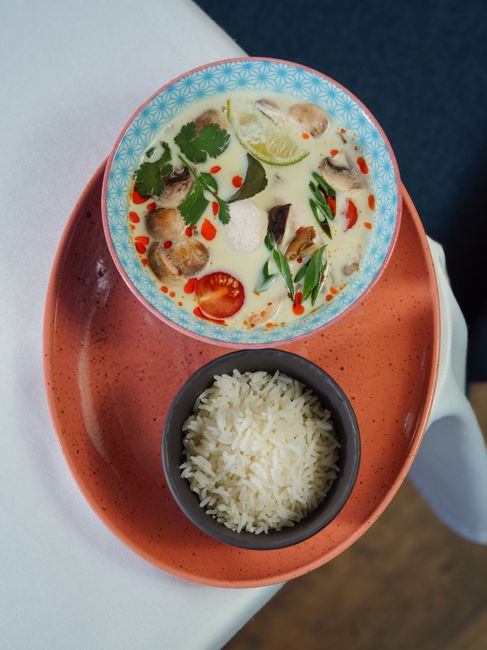
Galangal Substitute for Thai Curry: Best Swaps That Work
Yes, you can absolutely make Thai curry without galangal—and you likely have a substitute in your kitchen already. Fresh ginger is your best galangal substitute for Thai curry, using a 1:1 ratio by weight but reducing the amount slightly since ginger packs more heat; start with 3/4 tablespoon of fresh ginger for every 1 tablespoon of galangal called for. Other solid options include turmeric (for color and warmth, at 1/4 the amount), lemongrass (same ratio, for brightness), or even a combination of ginger and a pinch of white pepper to approximate galangal’s unique peppery-piney character. Your curry will still taste delicious—just slightly different from the original recipe.
Quick Comparison Table
| Substitute | Ratio (per 1 tbsp galangal) | Best For | Result Quality |
|---|---|---|---|
| Fresh Ginger | 3/4 tbsp finely minced | Most Thai curries; everyday cooking | ★★★★★ |
| Lemongrass | 1 tbsp minced or 1/2 stalk pounded | Red and green curries; brightening flavor | ★★★★☆ |
| Turmeric (fresh) | 1/4 tbsp minced | Color and earthiness; yellow curries | ★★★☆☆ |
| Ginger + White Pepper Blend | 1/2 tbsp ginger + 1/4 tsp white pepper | Replicating galangal’s peppery notes | ★★★★☆ |
| Turmeric (ground) | 1/2 tsp | Quick substitution; dried ingredient curries | ★★★☆☆ |
| Lemongrass + Ginger Blend | 1/2 tbsp each, combined | Complex flavor development; premium curries | ★★★★★ |
| Dried Galangal | 1 tsp rehydrated | When you have it on hand; authentic taste | ★★★★☆ |
| Ginger + Lime Zest | 3/4 tbsp ginger + 1/4 tsp zest | Adding brightness without fresh lemongrass | ★★★☆☆ |
Why Galangal Matters in Thai Curry
Galangal (or “kha” in Thai) is a rhizome—a underground stem—related to ginger but distinctly different in both flavor and function. While ginger brings heat and spice through gingerol compounds, galangal contains different volatile oils that create a piney, citrusy, almost medicinal warmth. In Thai curry pastes, galangal serves multiple roles: it adds peppery bite, contributes subtle floral notes, and chemically helps balance the richness of coconut milk while cutting through the heat of chilis. The rhizome’s firm texture also contributes body to curry pastes when ground into a fine paste.
Understanding this matters because substitutes need to replicate galangal’s flavor profile, not just its heat level. Straight chili heat isn’t what you’re replacing—you need a substitute that offers complexity, slight peppery notes, and something that won’t completely overshadow the lemongrass and Thai basil in your curry. This is why ginger alone works reasonably well but benefits from pairing with other ingredients that add galangal’s characteristic brightness and subtle peppery undertones.
1. Fresh Ginger (Best Overall)
Ratio: Use 3/4 tablespoon of fresh ginger for every 1 tablespoon of galangal. Always use ginger that has been peeled and finely minced or grated to ensure it breaks down properly into your curry paste.
Fresh ginger is the most accessible and reliable substitute because it shares galangal’s rhizome structure and contains similar aromatic compounds, even if the exact flavor profile differs. When making Thai curry, peel the ginger skin completely (it can taste bitter) and mince it as finely as possible—a microplane works beautifully here. The smaller the pieces, the faster they’ll break down into your paste, creating a smooth texture that mimics how galangal behaves. You’ll notice the ginger adds slightly more bite and less of the piney character, but the overall curry will remain balanced and delicious.
The key adjustment: because ginger’s gingerol compounds are more potent than galangal’s volatile oils, reduce your amount by 25%. If your recipe calls for 1 tablespoon of minced galangal, use 3/4 tablespoon of minced ginger. This prevents the curry from becoming ginger-forward, which would mask the other aromatics. Fresh ginger also won’t add turmeric’s golden color, so your curry may appear paler than traditional versions—this is purely aesthetic and doesn’t affect flavor. Best for: Any Thai curry style (red, green, panang, or massaman); everyday cooking when you need results fast.
2. Lemongrass (Best for Brightness)
Ratio: Use 1 tablespoon of minced lemongrass or the white portion of 1/2 fresh stalk (about 1 inch), pounded finely, for every 1 tablespoon of galangal.
Lemongrass adds the citrusy-aromatic brightness that galangal partially provides, making it an excellent choice when used strategically. However, it works best as a complementary substitute rather than a complete replacement on its own. To use lemongrass effectively, remove the tough green outer layers and work with only the pale white and light green inner portion (the more tender center). Pound it vigorously with the side of your knife or use a mortar and pestle to release the aromatic oils—this is crucial because it transforms the texture from fibrous to paste-like, which integrates seamlessly into curry.
Lemongrass contributes a different kind of warmth than galangal: brighter, more herbaceous, with subtle citrus notes. In red and green curries especially, this creates a beautiful complexity, though you may find the curry tastes slightly different from traditional versions. The textural difference matters too—lemongrass is more fibrous than galangal, so pound it extremely fine or use a food processor with tiny pulses to achieve a paste consistency. Some recipes benefit from combining lemongrass with a small amount of ginger (see the blended option below) to more closely replicate galangal’s full flavor spectrum. Best for: Red and green curries; recipes where brightening the flavor is desirable; when you have fresh lemongrass on hand.
3. Ginger + White Pepper Blend (Best for Authenticity)
Ratio: Combine 1/2 tablespoon of finely minced fresh ginger with 1/4 teaspoon of ground white pepper for every 1 tablespoon of galangal called for.
This blend attempts to recreate galangal’s distinctive peppery undertones, which straight ginger cannot fully accomplish. White pepper (not black) is essential here—black pepper tastes too bold and sharp, while white pepper brings a rounder, slightly earthy heat that aligns more closely with galangal’s character. Start by finely mincing your ginger, then measure out the white pepper separately and whisk or stir them together before adding to your curry paste. This ensures even distribution; if you simply sprinkle pepper on top, you’ll end up with spicy pockets in your curry rather than balanced flavor.
The chemistry here is straightforward: ginger provides the aromatic base and some heat, while white pepper’s piperine compounds approximate galangal’s peppery notes more convincingly than ginger alone can. This combination works particularly well in panang and massaman curries, where the peppery undertone enhances the overall complexity. When you taste the finished curry, you should detect that subtle peppery warmth without the curry tasting “hot” in the chili-heat sense. The blend creates a more sophisticated flavor profile than using ginger alone, making it worth the tiny extra effort. Best for: Panang and massaman curries; recipes where authenticity is important; when you want to replicate galangal’s peppery character.
4. Fresh Turmeric (Best for Color and Earthiness)
Ratio: Use 1/4 tablespoon of finely minced fresh turmeric for every 1 tablespoon of galangal. If using ground dried turmeric instead, use 1/2 teaspoon.
Fresh turmeric root is visually similar to galangal—both are rhizomes with rough, tan skin—but the flavor profile differs significantly. Turmeric brings earthy, slightly bitter, warm notes with a natural golden-yellow color that makes curry look more vibrant and traditional. The curcumin compound in turmeric (which gives it its yellow hue) also carries anti-inflammatory properties and enhances the overall warmth of the curry without adding sharp heat. Fresh turmeric is less common than dried turmeric in Western supermarkets, but it’s worth seeking out at Asian markets or specialty grocers.
Important: use turmeric in small amounts—it has a powerful, somewhat bitter taste that easily overwhelms other flavors. Start with 1/4 tablespoon for every tablespoon of galangal, taste your paste, and add more if desired. If you only have ground dried turmeric available, use half the amount (1/2 teaspoon per tablespoon of galangal) because dried spices concentrate during processing. Turmeric works best when combined with ginger rather than used alone—ginger provides the aromatic brightness that turmeric lacks, creating a more complete flavor profile. This combination mimics yellow curry paste’s traditional composition. Best for: Yellow curries; adding color and earthiness; when you want a more authentic golden curry appearance.