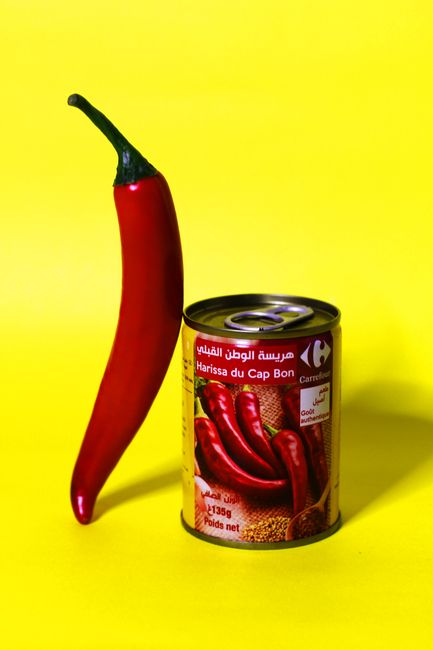
Harissa Substitute for North African Cooking: Best Swaps That Work
If you’ve run out of harissa while preparing North African cuisine, don’t panic—there are several reliable harissa substitutes for North African cooking that can save your dish. The best immediate replacement is sriracha mixed with tomato paste and cumin (1 tablespoon sriracha + 1 tablespoon tomato paste + ¼ teaspoon ground cumin per 2 tablespoons harissa needed). Other solid alternatives include a blend of chili powder with garlic and spices, cayenne pepper mixed with paprika, or fresh chili peppers combined with spices. Each substitute brings its own flavor profile and heat level, so the choice depends on what you’re making and what you have on hand. Understanding how these alternatives work—and their differences from authentic harissa—will help you maintain the integrity of your North African dish.
Quick Comparison Table
| Substitute | Ratio (per 2 tbsp harissa) | Best For | Result Quality |
|---|---|---|---|
| Sriracha + Tomato Paste + Cumin | 1 tbsp sriracha + 1 tbsp tomato paste + ¼ tsp cumin | Tagines, stews, marinades | ★★★★☆ |
| Chili Powder + Garlic + Spices | 1½ tbsp chili powder + ½ tsp garlic powder + ¼ tsp each cumin, caraway | Soups, grain dishes, vegetables | ★★★★☆ |
| Cayenne Pepper + Paprika + Tomato | ¾ tsp cayenne + 1 tbsp paprika + 1 tsp tomato paste | Milder dishes, family-friendly meals | ★★★☆☆ |
| Fresh Chili Peppers + Garlic + Oil | 2-3 fresh hot peppers, minced + 1 clove garlic + 1 tbsp oil | Fresh applications, condiments | ★★★★★ |
| Red Pepper Flakes + Cumin + Tomato | 1 tbsp red pepper flakes + ½ tsp cumin + 1½ tsp tomato paste | Quick seasoning, dry rubs | ★★★☆☆ |
| Berbere Spice Blend | 1½ tbsp berbere (if available) | Ethiopian/East African fusion, bold dishes | ★★★★☆ |
| Jalapeño + Spices + Oil | 2 jalapeños, minced + ½ tsp garlic powder + 1 tbsp oil | Milder heat applications, fresh dishes | ★★★☆☆ |
Why Harissa Matters in North African Cooking
Harissa is far more than just heat in North African cuisine—it’s a complex flavor foundation that carries specific regional characteristics. This chili paste combines dried red chilis with warm spices like caraway, coriander, and cumin, creating a flavor profile that’s simultaneously fiery and aromatic. The oil in harissa acts as a flavor vehicle, allowing the spice compounds to distribute evenly throughout dishes while the paste’s thick consistency means it doesn’t just add heat; it adds body and texture to sauces, stews, and marinades. Chemically, the capsaicin in dried chilis provides the heat, while the complex carbohydrates in chili peppers add depth that simple hot sauces often lack.
When harissa is absent, you’re losing both the heat threshold and the warm, earthy spice notes that define dishes like shakshuka, merguez sausage, and lamb tagine. The challenge with substitution is that no single ingredient perfectly replicates harissa’s multidimensional profile—you’re essentially building a flavor puzzle. Most effective substitutes layer multiple elements: a heat source (cayenne, chili powder, or fresh peppers), a fat base (oil or tomato paste’s natural oils), aromatic spices (cumin and caraway), and sometimes an acid or umami boost (garlic, tomato paste) to round out the flavor. Understanding this breakdown helps you choose the substitute that best matches what your specific recipe needs.
1. Sriracha + Tomato Paste + Cumin (Best Overall)
Ratio: 1 tablespoon sriracha + 1 tablespoon tomato paste + ¼ teaspoon ground cumin per 2 tablespoons harissa needed
This combination is the most reliable harissa substitute for North African cooking because it addresses all the key components harissa provides. Sriracha brings both heat and a slightly funky depth from its fermentation process, tomato paste adds body and umami that mirrors harissa’s thickness, and cumin bridges the gap to North African spice territory. Simply mix these three ingredients together until you achieve a paste-like consistency—it should resemble the original harissa in appearance.
The flavor profile will be slightly different: sriracha adds garlic notes that pure harissa might not have, and there’s a touch more sweetness from the fermentation. However, in the context of a larger dish—especially those with other bold flavors like preserved lemon, olives, or warming spices—these differences integrate seamlessly. The ratio can be adjusted based on your heat tolerance; if you prefer milder results, reduce sriracha to ¾ tablespoon and increase tomato paste to 1¼ tablespoons. This substitute works particularly well in cooked applications like stews, tagines, and soups where the flavors meld together.
Best for: Lamb tagines, vegetable stews, shakshuka, and mixed into couscous dishes where the paste will be distributed throughout the meal.
2. Chili Powder + Garlic + Spices
Ratio: 1½ tablespoons chili powder + ½ teaspoon garlic powder + ¼ teaspoon ground cumin + ¼ teaspoon ground caraway + 1 tablespoon olive oil per 2 tablespoons harissa
This dry-ingredient approach is excellent when you need a quick substitute and want maximum control over heat levels. Start by mixing all the dry spices together, then slowly drizzle in olive oil while stirring until you reach a paste consistency. The beauty of this method is that chili powder gives you a concentrated chile flavor without the funkiness of fermented products, making it feel more authentically North African in some respects. Caraway is particularly important here—it’s a traditional harissa ingredient that adds a subtle licorice note that’s distinctly Tunisian.
The main consideration with this substitute is that it lacks the fermented complexity of real harissa, so it’s best used in dishes with other assertive flavors that can overshadow this simplicity. It performs especially well in grain-based dishes, vegetable applications, and lighter preparations. One advantage: since you’re controlling the oil content, you can adjust how much fat you want in your dish, making this helpful if you’re watching oil intake or working with delicate vegetables that don’t need extra moisture.
Best for: Couscous, roasted vegetables, chickpea dishes, and seasoning for grains where the dry spice blend will coat evenly.
3. Cayenne Pepper + Paprika + Tomato Paste
Ratio: ¾ teaspoon cayenne pepper + 1 tablespoon paprika + 1 teaspoon tomato paste + 1 teaspoon olive oil per 2 tablespoons harissa
If you prefer a milder heat level or are cooking for family members with lower spice tolerance, this combination delivers North African flavor without overwhelming intensity. Paprika provides the bulk of the mixture while contributing a slightly sweet, fruity undertone—especially if you use Spanish smoked paprika. The small amount of cayenne gives enough kick to register as a spiced dish without being aggressively hot, while tomato paste contributes body and slight umami depth.
Mix the dry paprika and cayenne first, then stir in the tomato paste and oil until well combined. This substitute works beautifully in applications where harissa will be the dominant seasoning, like when stirring into yogurt for a condiment or brushing on meat before roasting. The result is slightly less pungent than traditional harissa but captures the warming, spiced character well. Keep in mind that paprika’s flavor can vary significantly by source and type—Hungarian paprika is earthier and less sweet than Spanish varieties, so taste as you go and adjust other spices accordingly.
Best for: Family-friendly versions of North African dishes, harissa yogurt condiments, and applications where you want spice flavor without excessive heat.
4. Fresh Chili Peppers + Garlic + Oil
Ratio: 2-3 fresh hot chili peppers (such as Thai bird’s eye or Scotch bonnets), minced + 2 cloves garlic, minced + 3 tablespoons olive oil per 2 tablespoons harissa
Fresh chili paste might be the most authentic substitute if you have access to fresh hot peppers, because it captures the bright, immediate heat that store-bought harissa sometimes lacks. Remove the seeds and membranes if you want milder results, or leave them in for maximum heat. Mince the peppers and garlic finely—a food processor works well for this—then combine with the olive oil. You can optionally add ¼ teaspoon each of ground cumin and caraway to push it closer to traditional harissa territory, and a pinch of salt to preserve the mixture.
The advantage of fresh chili paste is its complexity and brightness—fresh peppers contain different flavor compounds than dried ones, creating a sauce that feels alive on the palate. The disadvantage is that fresh paste lacks the fermented depth of traditional harissa and will have a shorter shelf life (typically 1-2 weeks refrigerated, versus months for preserved harissa). Use this substitute immediately in applications where it will be the star, like as a condiment or fresh finishing element. It’s particularly beautiful stirred into labneh (strained yogurt) or drizzled over just-cooked eggs in shakshuka.
Best for: Shakshuka, la bneh dips, and other fresh, uncooked applications where the vibrant heat of fresh chilis can shine on its own.
5. Red Pepper Flakes + Cumin + Tomato Paste
Ratio: 1 tablespoon red pepper flakes + ½ teaspoon ground cumin + 1½ teaspoons tomato paste + 1 tablespoon olive oil per 2 tablespoons harissa
This substitute is ideal when you need something fast and are working entirely from pantry staples. Red pepper flakes provide a rustic, coarser heat than powdered chili, giving the finished paste a bit of texture that’s actually reminiscent of traditional harissa, which often retains small bits of chili skin and seed. Combine the red pepper flakes with the cumin first, then stir in the tomato paste and olive oil until you have a spreadable, slightly chunky paste. If you have a mortar and pestle, briefly crushing the red pepper flakes before mixing helps release more of their oils and intensifies the flavor.
Because this version skips fresh aromatics like garlic, it’s a bit flatter in complexity than some of the other substitutes, but it comes together in under five minutes with ingredients most kitchens already stock. It works particularly well as a dry rub base for grilled meats or stirred directly into a marinade, since the coarser texture clings nicely to proteins. If you want to boost the flavor further, a small pinch of garlic powder or smoked paprika rounds it out nicely without much extra effort.
Best for: Quick weeknight seasoning, dry rubs for grilled meats, and situations where you need a harissa stand-in in just a few minutes.
6. Berbere Spice Blend
Ratio: 1½ tablespoons berbere spice blend mixed with 1 tablespoon olive oil or tomato paste, per 2 tablespoons harissa needed
Berbere, the Ethiopian and Eritrean spice blend, isn’t a traditional North African ingredient, but its flavor profile overlaps with harissa more than you might expect—both combine dried chilis with warm spices like coriander, fenugreek, and ginger. If you happen to have berbere in your pantry from East African cooking, it makes a surprisingly effective stand-in, especially in stews and braises where its complexity can shine. Simply whisk the dry spice blend with a bit of oil or tomato paste to approximate harissa’s paste-like consistency.
Keep in mind that berbere tends to be more aromatic and slightly sweeter than harissa, with warmer baking-spice notes from ingredients like cinnamon and fenugreek that aren’t part of the classic Tunisian profile. This gives your dish a subtly different, though still delicious, character—more East African fusion than strictly North African. It’s best reserved for adventurous cooks who don’t mind a flavor twist, or for dishes where bold, complex spicing is already part of the plan, such as long-braised stews or lentil dishes.
Best for: Fusion dishes, hearty stews and braises, and cooks who already keep berbere on hand and don’t mind a slightly different flavor profile.
7. Jalapeño + Spices + Oil
Ratio: 2 jalapeños, minced + ½ teaspoon garlic powder + ¼ teaspoon ground cumin + 1 tablespoon olive oil per 2 tablespoons harissa
Jalapeños offer a gentler, more accessible heat than the traditional chilis used in harissa, making this a good option for milder palates or dishes meant to appeal to a broader audience. Mince the jalapeños finely, removing the seeds and ribs if you want to tone down the heat further, then combine with the garlic powder, cumin, and olive oil to form a loose, fresh-tasting paste. The bright, grassy flavor of jalapeño is distinct from the smokier, more concentrated heat of dried chilis, so the final result will taste noticeably fresher and less intense than authentic harissa.
This substitute shines in applications where a lighter touch is welcome, such as drizzling over grilled vegetables, mixing into a yogurt sauce, or using as a finishing condiment rather than a deep-cooked base flavor. Because fresh jalapeños don’t have the shelf stability of preserved harissa, prepare this version in small batches and use it within a few days for the best flavor and texture.
Best for: Milder heat applications, fresh condiments, and dishes served to guests who prefer a gentler introduction to North African spice.