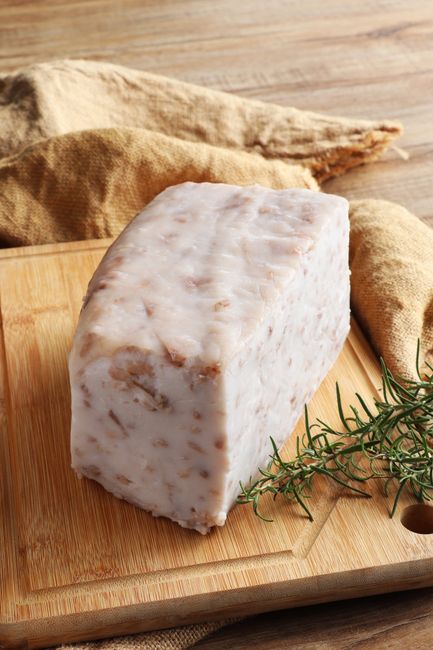
Lard Substitute: Best Alternatives for Any Recipe
The best lard substitute for baking and cooking is butter, using a 1:1 ratio by volume or weight. Butter delivers similar flakiness in pastries and richness in baked goods while being far more accessible in most home kitchens. If you’re looking for dairy-free options, coconut oil and vegetable shortening are excellent alternatives that maintain the structural qualities lard provides. For health-conscious cooks, olive oil and avocado oil work well in savory applications, though they won’t produce quite the same tender crumb in delicate pastries.
Quick Comparison Table
| Substitute | Ratio (per 1 cup lard) | Best For | Result Quality |
|---|---|---|---|
| Butter | 1 cup (227g) | Pastries, pie crusts, biscuits, cookies | ★★★★★ |
| Coconut Oil | 1 cup (216g) | Pie crusts, vegan baking, flaky pastries | ★★★★☆ |
| Vegetable Shortening | 1 cup (205g) | Biscuits, pie dough, donuts, cookies | ★★★★☆ |
| Olive Oil | ¾ cup (177ml) | Cornbread, savory baking, rustic breads | ★★★☆☆ |
| Avocado Oil | ¾ cup (177ml) | Savory breads, cakes, muffins | ★★★★☆ |
| Duck Fat | 1 cup (227g) | Pie crusts, biscuits, fried foods | ★★★★★ |
| Palm Oil | 1 cup (218g) | Pastries, pie dough, vegan baking | ★★★★☆ |
| Beef Tallow | 1 cup (230g) | Pie crusts, pastries, traditional baking | ★★★★★ |
Why Lard Matters in Baking and Cooking
Lard is a rendered pork fat that has been a baking staple for centuries, and understanding its function helps explain why finding the right lard substitute matters so much. From a chemical perspective, lard is composed of approximately 40% saturated fat and 50% monounsaturated fat, with a melting point around 97°F (36°C). This means it stays solid at room temperature but melts easily during baking, creating distinct layers in pastry dough and producing that coveted tender, flaky texture in pie crusts and biscuits. The fat coats flour particles and prevents gluten from developing too much, which is exactly why you want fats in these applications—they literally interrupt the gluten network and create a more delicate crumb structure.
Beyond texture, lard brings subtle savory notes and browning properties that other fats don’t quite match. It has a relatively neutral flavor profile compared to butter’s dairy character, making it ideal for applications where you don’t want competing flavors. The smoke point of lard sits around 370°F (188°C), making it suitable for both low-temperature baking and moderate-heat cooking. When you’re choosing a lard substitute, you’re looking for a fat with similar melting characteristics, appropriate smoke point for your intended use, and ideally similar fatty acid composition. Different substitutes excel in different applications because they have varying ratios of saturated to unsaturated fats, different water contents (butter contains about 15-20% water, while pure lard has virtually none), and different flavor profiles that can subtly alter your final dish.
1. Butter (Best Overall)
Ratio: 1 cup lard = 1 cup (227g) butter
Butter is the gold standard lard substitute for most home bakers because it’s readily available, produces exceptional results, and requires no special handling. Use unsalted butter so you can control the salt content in your recipe. The beauty of butter is that it replicates lard’s behavior in the dough quite effectively—it creates those desirable flaky layers in pie crusts and biscuits by coating flour particles and preventing excessive gluten development. The main difference is that butter contains about 15-20% water and milk solids, whereas lard is virtually pure fat. This water content actually works in your favor for many applications: it creates steam as it bakes, which helps puff up pastries and creates a more tender final product.
When substituting butter for lard, you might notice your dough is slightly softer and requires a bit more chilling time (aim for at least 2 hours in the refrigerator before rolling out pie dough). The milk solids in butter also promote better browning and create a richer, more golden crust than lard typically would. This is usually a delightful bonus—your pie crusts and biscuits will have that deep golden-brown color that signals perfectly baked pastry. Keep your work surface cool and work quickly when handling butter-based pie dough, as butter warms up faster than lard and becomes sticky.
Texture and taste: Butter produces slightly more tender, more golden-brown results than lard, with a richer, slightly buttery flavor. The baked goods may be marginally softer rather than crisp, though the difference is usually imperceptible to most palates. Pie crusts will have a wonderful laminated, flaky structure similar to lard.
Best for: Pie crusts, biscuits, scones, cookies, croissants, Danish pastries, and virtually any traditional baking application where flakiness is desired.
2. Coconut Oil (Best Vegan/Dairy-Free Option)
Ratio: 1 cup lard = 1 cup (216g) refined coconut oil
Refined coconut oil is an excellent lard substitute for vegan bakers and anyone avoiding dairy, and it creates remarkably similar results in pastries and pie dough. Refined coconut oil (not virgin) is the key here—refined coconut oil has been processed to remove most of its distinctive coconut flavor and aroma, making it neutral enough for savory and sweet applications alike. The fat composition of coconut oil is actually quite favorable for baking: it’s approximately 82% saturated fat with a melting point around 76°F (24°C), very close to lard’s characteristics. This means it creates distinct layers in pastry dough and produces excellent flakiness, rivaling even lard in pie crusts and biscuits.
One important consideration: coconut oil is even more temperature-sensitive than lard, so keep everything very cold when working with it. Chill your mixing bowl, food processor, and rolling pin before beginning. If the oil warms up too much, your dough becomes slippery and difficult to work with. The benefit of this sensitivity is that the resulting pastries can be exceptionally flaky. Coconut oil has a high smoke point of around 400°F (204°C), making it suitable for baking and sautéing. The vegan status of coconut oil makes it perfect for those following plant-based diets.
Texture and taste: Produces wonderfully flaky, tender pastries nearly identical to lard-based versions. The final product is completely neutral in flavor with no detectable coconut taste (when using refined coconut oil). The texture can be slightly crisper than butter-based pastries due to the higher saturated fat content and lack of water.
Best for: Vegan pie crusts, vegan biscuits, plant-based pastries, cookies, and any application where dairy must be avoided. Excellent for those with milk allergies or intolerances.
3. Vegetable Shortening
Ratio: 1 cup lard = 1 cup (205g) vegetable shortening
Vegetable shortening—whether made from soybean, canola, or palm oil—is perhaps the closest substitution match to lard in terms of pure baking performance. Vegetable shortening is a completely neutral-flavored solid fat at room temperature with a melting point very close to lard, making it behave almost identically in pastry doughs and pie crusts. The fat composition is engineered to be ideal for baking, with saturated and unsaturated fats balanced to create flakiness without becoming rancid quickly. Many professional bakers and commercial bakeries actually prefer vegetable shortening because it has a higher melting point than butter, which means pastries stay flakier during the baking process and don’t develop a heavy, greasy mouthfeel.
Unlike butter, vegetable shortening contains virtually no water, which means you won’t get the benefit of steam in your baked goods, but you also don’t have to worry about the dough becoming sticky or requiring extra chilling time. Work with it at room temperature just as you would lard. The neutral flavor of vegetable shortening means it won’t add any competing flavors to your recipes—this is perfect for traditional pie crusts and biscuits where you want the focus on the filling or the grain. A note on modern vegetable shortening: most brands have eliminated the trans fats that were problematic in older formulations, but if you’re concerned, check the nutrition label for zero grams of trans fat.
Texture and taste: Creates pie crusts and pastries that are extremely flaky and tender with a neutral flavor. The texture is nearly identical to lard-based pastries, though the color may be slightly paler due to lack of the browning that milk solids in butter provide. Many bakers find it produces the crispiest results.
Best for: Pie crusts, biscuits, donuts, cookies, croissants, and any pastry where maximum flakiness is the primary goal. Excellent for double-crust pies where you want both layers to remain flaky.
4. Olive Oil
Ratio: 1 cup lard = ¾ cup (177ml) extra virgin olive oil
Olive oil works as a lard substitute primarily in savory applications and rustic breads rather than delicate pastries, and the ratio differs because oil is liquid at room temperature. Extra virgin olive oil brings a distinctive fruity, herbaceous flavor that can be wonderful in cornbread, skillet breads, and Italian pastries. The main challenge with olive oil is that it cannot create the laminated, flaky layers that make traditional pie crusts so appealing, because it doesn’t solidify between flour particles. Instead, it distributes evenly throughout the dough, creating a more tender, cake-like crumb rather than distinct flaky layers.
However, olive oil excels in applications where you want moisture and richness without the flakiness requirement. Use a 3:4 ratio (¾ cup oil for every 1 cup of lard) because oil has no water content and is denser than lard. Reduce any liquid in your recipe slightly—start by reducing water, milk, or other liquids by 2-3 tablespoons per cup of lard you’re replacing. Olive oil’s smoke point is around 375°F (190°C) for extra virgin and higher for refined varieties, making it suitable for most baking applications.
Texture and taste: Creates a more tender, cake-like crumb with pronounced olive flavor. The result is moister than lard-based baked goods and lacks the flaky, laminated structure. Ideal for applications where you want richness and moisture rather than crispness. The distinctive olive flavor becomes a feature rather than a drawback in the right recipes.
Best for: Cornbread, olive oil cakes, rustic Italian breads, focaccia, savory biscuits, and quick breads. Works wonderfully in recipes that already feature Mediterranean flavors.
5. Avocado Oil
Ratio: 1 cup lard = ¾ cup (177ml) avocado oil
Avocado oil is an underrated lard substitute that offers a middle ground between the structural benefits of solid fats and the health profile of liquid oils. Like olive oil, it’s liquid at room temperature, so use the ¾ cup ratio for every 1 cup of lard and reduce other liquids in your recipe by about 2-3 tablespoons. What sets avocado oil apart is its remarkably neutral flavor—it lacks the distinctive character of olive oil while still providing quality monounsaturated fats. This makes it suitable for both sweet and savory applications where you don’t want competing flavors.
Avocado oil has an excellent smoke point of around 490°F (255°C), the highest among common cooking oils, making it suitable not just for baking but also for sautéing and moderate-heat cooking. The neutral flavor means it won’t interfere with delicate cake flavors or spice profiles. While avocado oil won’t create the flaky, laminated pastries that solid fats produce, it creates wonderfully moist, tender baked goods with a fine, even crumb. This makes it particularly good for cakes, muffins, and quick breads where moisture and tenderness matter more than flakiness.
Texture and taste: Produces moist, tender cakes and quick breads with a fine, even crumb. No flaky layers like pie crusts require, but excellent for applications valuing moisture and richness. Completely neutral flavor that doesn’t compete with other ingredients. The resulting baked goods stay moist longer than butter-based versions.
Best for: Cakes, muffins, quick breads, brownies, coffee cakes, and any application where moisture and tenderness matter more than flakiness. Excellent for health-conscious bakers seeking better fat profiles.