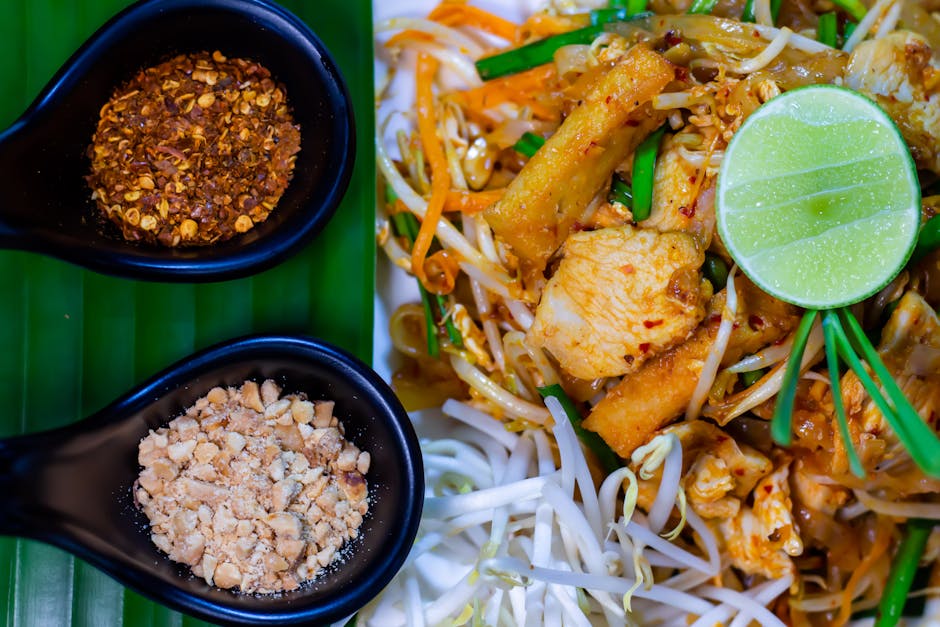
Tamarind Paste Substitute for Pad Thai: Best Swaps That Work
Yes, you can absolutely finish your pad thai without tamarind paste—and your dish will still be delicious. The best tamarind paste substitute for pad thai is lime juice mixed with fish sauce, using a 2:1 ratio of lime juice to fish sauce (for every 1 tablespoon of tamarind paste, use 1 tablespoon lime juice plus ½ teaspoon fish sauce). This combination recreates the tangy-savory backbone that tamarind provides. Other solid options include a blend of lime juice with brown sugar, fresh lime juice with soy sauce, or even a mixture of ketchup and lime juice if you’re truly in a pinch. Each substitute brings its own character to the dish, but they’ll all keep your pad thai tasting bright and balanced.
Quick Comparison Table
| Substitute | Ratio (per 1 tbsp tamarind) | Best For | Result Quality |
|---|---|---|---|
| Lime juice + fish sauce | 1 tbsp lime + ½ tsp fish sauce | Most authentic flavor | ★★★★★ |
| Lime juice + brown sugar | 1 tbsp lime + ½ tsp brown sugar | Vegetarian/vegan pad thai | ★★★★☆ |
| Fresh lime juice only | 1 tbsp lime juice | Quick fix, light flavor | ★★★☆☆ |
| Ketchup + lime juice | 1 tbsp ketchup + 1 tbsp lime | Western interpretations | ★★★☆☆ |
| Worcestershire + lime juice | ½ tsp Worcestershire + 1 tbsp lime | When fish sauce unavailable | ★★★★☆ |
| Soy sauce + lime juice + sugar | 1 tbsp lime + ½ tsp soy + ¼ tsp sugar | Umami-forward versions | ★★★★☆ |
| Apple cider vinegar + brown sugar | ½ tbsp vinegar + ¾ tsp brown sugar | When citrus is unavailable | ★★★☆☆ |
Why Tamarind Matters in Pad Thai
Tamarind paste is the backbone of authentic pad thai’s flavor profile. This ingredient—made from the pulp of tamarind fruit—brings three critical elements to the dish: a deep, fruity acidity that’s less sharp than citrus; subtle sweetness; and a slight mineral earthiness. Chemically, tamarind contains tartaric acid, which provides complexity beyond simple sourness. Unlike lemon or lime, which hit hard and fade quickly, tamarind’s acidity lingers and melds with the other components, creating a rounded, sophisticated tang.
The paste also contributes body and slight thickness to pad thai’s sauce, thanks to its pectin content and suspended solids. When you remove tamarind, you’re losing not just flavor but also textural contribution to the dish’s sauce. This is why some substitutes work better than others—the best ones combine acidity with either umami depth (like fish sauce) or sweetness (like brown sugar) to replicate tamarind’s multidimensional role. Understanding this helps you choose the right substitute based on what you have on hand and what other ingredients are already in your pad thai.
1. Lime Juice + Fish Sauce (Best Overall)
Ratio: For every 1 tablespoon of tamarind paste, use 1 tablespoon fresh lime juice plus ½ teaspoon fish sauce.
This combination is your gold standard because it addresses tamarind’s dual role in pad thai: delivering acidity and providing umami depth. Fish sauce brings the savory, funky complexity that gives pad thai its signature character, while lime juice provides the bright acidity. Fresh lime is crucial here—bottled lime juice loses volatile aromatics and won’t deliver the same freshness. Squeeze your limes immediately before adding them to the pan. The fish sauce might seem strong on its own, but once it cooks into the noodles and mingles with the other ingredients, it becomes the savory background note that makes your pad thai taste restaurant-quality.
The texture of your sauce remains silky and balanced with this substitute. Add the lime juice first, let it cook for 30 seconds, then add the fish sauce so the alcohol cooks off slightly and integrates better. If your lime is particularly small or large, adjust slightly—you want the sauce to taste bright and tangy first, with a savory undertone. This ratio works perfectly whether you’re making pad thai for two or scaling up for a dinner party.
Best for: When you have fish sauce on hand and want the closest-to-authentic flavor profile.
2. Lime Juice + Brown Sugar (Vegetarian-Friendly)
Ratio: For every 1 tablespoon of tamarind paste, use 1 tablespoon fresh lime juice plus ½ teaspoon brown sugar.
If you’re making vegetarian or vegan pad thai, this combination replaces tamarind’s sweet-sour-savory complexity with a more straightforward sweet-sour profile. Brown sugar is better than white sugar here because molasses adds subtle depth and slightly darker, caramel-like notes that mimic tamarind’s earthiness better than white sugar can. The brown sugar also dissolves more readily into the warm noodle mixture, ensuring even distribution of sweetness.
You’ll notice this version tastes slightly sweeter than tamarind-based pad thai, and it lacks the savory depth that fish sauce provides. To compensate, consider increasing your soy sauce by ½ teaspoon or adding a pinch of garlic powder (⅛ teaspoon) to introduce more umami. Stir the brown sugar into the lime juice in a small bowl before adding it to the pan, so it dissolves completely and doesn’t create sweet pockets in your dish. This substitute works beautifully if you’re cooking for vegetarians or if fish sauce simply isn’t available in your area.
Best for: Vegetarian and vegan pad thai, or when you want a cleaner, less funky flavor profile.
3. Fresh Lime Juice Only (Emergency Substitute)
Ratio: For every 1 tablespoon of tamarind paste, use 1½ tablespoons fresh lime juice.
If lime juice is your only option, you can make it work—just know that you’re losing some of tamarind’s complexity. Use 1½ tablespoons instead of 1 tablespoon to compensate for the acidity difference; tamarind is more concentrated than lime juice, so you need more volume to achieve similar tanginess. Lime’s bright, fresh acidity is quite different from tamarind’s deeper sourness, but it will make your pad thai taste good, just not quite traditional.
The main drawback is the lack of umami and complexity. Your pad thai may taste slightly thin or one-dimensional. To build depth, boost your soy sauce by ½ teaspoon, add a tablespoon more peanut butter if the recipe calls for it, or stir in ¼ teaspoon of garlic powder just before serving. Make sure you’re using fresh lime juice squeezed from real limes, not bottled juice—the difference in flavor is dramatic, especially when lime is doing all the heavy lifting. This substitute works in a pinch, but it’s not ideal for a dish where tamarind’s particular tang is so central.
Best for: Quick fixes when nothing else is available; tastes decent but less authentic.
4. Ketchup + Lime Juice (Western-Style)
Ratio: For every 1 tablespoon of tamarind paste, use 1 tablespoon ketchup plus 1 tablespoon fresh lime juice.
This might sound unorthodox, but ketchup is actually a surprisingly effective tamarind stand-in because it contains tomato’s acidity, sugar, and umami from tomato solids and spices. Ketchup brings sweetness and body that approximates tamarind’s contribution. When combined with lime juice, it creates a tangy-sweet sauce that feels more approachable to Western palates—some people find this version more balanced and less funky than fish-sauce versions.
The trade-off is that this tastes distinctly less Thai. Your pad thai takes on subtle tomato notes that aren’t traditional, and it loses the savory, mineral quality that defines authentic versions. Use good-quality ketchup without high-fructose corn syrup if possible, as it will taste fresher. Stir the ketchup and lime juice together before adding to the pan so they incorporate smoothly. This substitute is particularly effective if you’re cooking for people who find traditional pad thai’s fermented-funk flavors off-putting, but experienced pad thai lovers will notice the difference.
Best for: Introducing pad thai to people unfamiliar with it; creating a sweeter, less pungent version.
5. Worcestershire Sauce + Lime Juice
Ratio: For every 1 tablespoon of tamarind paste, use ½ teaspoon Worcestershire sauce plus 1 tablespoon fresh lime juice.
Worcestershire brings umami, acidity, and subtle spice complexity that makes it a clever substitute when fish sauce isn’t available. The anchovies and fermented ingredients in Worcestershire share some DNA with fish sauce, though the flavor profile is distinctly different and less pungent. Combined with lime juice, this creates a round, balanced sauce that tastes savory and slightly tangy without the funky intensity of traditional pad thai.
The main consideration is that Worcestershire is more subtle than fish sauce, so you might want to add an extra ¼ teaspoon if your pad thai tastes flat after cooking. The spices in Worcestershire (cloves, cinnamon, mustard) add unexpected complexity that some people love and others find slightly overpowering. If you find the spice notes too assertive, start with ¼ teaspoon and taste before adding more, since Worcestershire varies quite a bit in intensity between brands. This substitute leans slightly more Western in character than fish sauce, but it still delivers the savory backbone pad thai needs, especially in a pinch when your pantry is missing traditional Thai ingredients.
Whisk the Worcestershire and lime juice together before adding to the pan, and let the mixture cook for about a minute so the alcohol and sharper notes mellow out. The resulting sauce clings well to rice noodles and gives you a glossy, well-coated finish similar to what you’d get with tamarind. Because Worcestershire already contains tamarind extract in many commercial formulations, this substitute actually shares a genuine flavor connection with the ingredient you’re replacing, which is part of why it performs so well.
Best for: When fish sauce is unavailable but you still want a savory, umami-rich sauce with good depth.
6. Soy Sauce + Lime Juice + Sugar
Ratio: For every 1 tablespoon of tamarind paste, use 1 tablespoon fresh lime juice plus ½ teaspoon soy sauce plus ¼ teaspoon sugar.
This three-ingredient blend rebuilds tamarind’s sour-salty-sweet triangle from separate pantry staples, making it a great option if you don’t keep fish sauce or Worcestershire on hand but do have basic soy sauce. The soy sauce contributes fermented depth and saltiness, the lime delivers bright acidity, and the sugar rounds out the sharp edges so the sauce doesn’t taste one-note. This combination tends to taste more umami-forward and slightly less funky than fish-sauce versions, which some cooks actually prefer.
Mix all three ingredients together in a small bowl until the sugar dissolves before adding to your hot pan—this prevents the sugar from clumping or burning on contact with the wok. Taste as you go, since soy sauce brands vary widely in saltiness; you may need to scale back the added salt elsewhere in your recipe. This substitute works particularly well in stir-fries that already lean savory, since it doesn’t fight with other umami elements like peanuts or scrambled egg.
Best for: Umami-forward pad thai versions and cooks who keep basic soy sauce rather than fish sauce stocked.
7. Apple Cider Vinegar + Brown Sugar
Ratio: For every 1 tablespoon of tamarind paste, use ½ tablespoon apple cider vinegar plus ¾ teaspoon brown sugar.
When citrus isn’t available, apple cider vinegar steps in as a surprisingly effective acid base for pad thai sauce. Its mellow, slightly fruity tang is closer to tamarind’s rounded sourness than the sharper bite of white vinegar, and the fermentation process gives it a subtle complexity that plain acid alone can’t provide. Paired with brown sugar, it recreates a sweet-sour balance that works well even though the flavor profile drifts further from tamarind’s earthy, tropical notes than the lime-based substitutes do.
Combine the vinegar and brown sugar in a small bowl and stir until the sugar dissolves before adding to the pan, since undissolved sugar can scorch quickly over high heat. Because this substitute lacks any umami contribution, consider adding a splash of soy sauce or a pinch of garlic powder to round out the savory side of the dish. This option is best reserved for true pantry emergencies, since the flavor, while pleasant, reads as noticeably different from a classic tamarind-based pad thai.
Best for: When you have no citrus on hand at all and need a shelf-stable acid substitute.