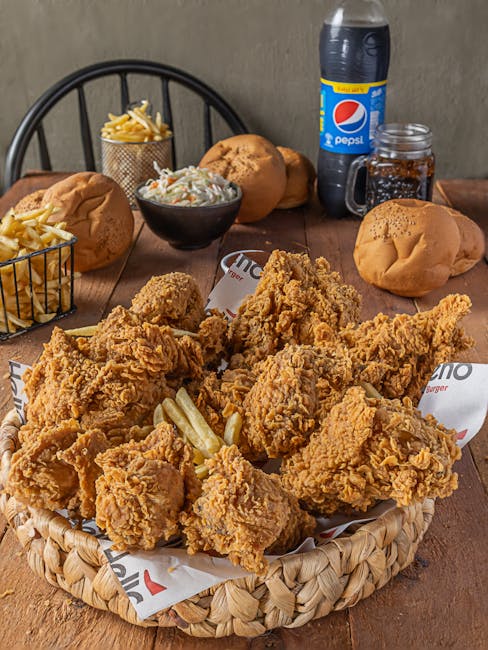
Buttermilk Substitute for Fried Chicken: 7 Swaps That Keep It Crispy
The best buttermilk substitute for fried chicken is plain yogurt thinned with milk. Use ¾ cup yogurt + ¼ cup milk for every 1 cup of buttermilk called for. The thick, acidic yogurt tenderises the chicken and helps the seasoned flour coating stick just as well as buttermilk — and the result is just as crispy. Don’t have yogurt either? Plain milk + 1 tablespoon lemon juice or vinegar works as a quick 5-minute substitute.
Quick Comparison: Best Substitutes for Buttermilk in Fried Chicken
| Substitute | Ratio (per 1 cup) | Crispy Result | Tender Result |
|---|---|---|---|
| Yogurt + milk | ¾ cup yogurt + ¼ cup milk | ★★★★★ | ★★★★★ |
| Milk + lemon juice | 1 cup milk + 1 tbsp lemon juice | ★★★★☆ | ★★★★☆ |
| Milk + vinegar | 1 cup milk + 1 tbsp white vinegar | ★★★★☆ | ★★★★☆ |
| Sour cream + milk | ½ cup sour cream + ½ cup milk | ★★★★★ | ★★★★★ |
| Kefir (plain) | 1:1 direct swap | ★★★★★ | ★★★★★ |
| Oat milk + vinegar (vegan) | 1 cup oat milk + 1 tbsp vinegar | ★★★★☆ | ★★★☆☆ |
| Egg + hot sauce | 2 eggs + 1 tbsp hot sauce | ★★★★☆ | ★★★☆☆ |
Why Buttermilk Matters in Fried Chicken
Buttermilk does three things in fried chicken: its acidity tenderises the meat by breaking down muscle proteins, its thick consistency coats the chicken evenly so the breading sticks, and its fat and protein help the crust brown deeply and evenly. Any good substitute needs to do at least two of these three things.
1. Yogurt + Milk (Best Overall)
Ratio: ¾ cup plain yogurt + ¼ cup whole milk per 1 cup buttermilk
This is the closest substitute you can make. Greek yogurt or plain whole-milk yogurt both work. The yogurt is already acidic (lactic acid) so it tenderises the chicken exactly like buttermilk. The thick texture coats the chicken well and grips the seasoned flour. Thin it with milk so it’s pourable — you want it just thinner than sour cream.
Best for: Classic Southern fried chicken, Korean fried chicken, oven-baked fried chicken
2. Milk + Lemon Juice (5-Minute Quick Fix)
Ratio: 1 cup whole milk + 1 tablespoon fresh lemon juice
Stir and wait 5 minutes. The milk will slightly curdle, creating a thin buttermilk-like liquid. It’s less thick than yogurt-based substitute, so the coating is slightly thinner — but it still works very well for home fried chicken. Whole milk gives you the fat content that makes the crust rich and golden.
Best for: Any fried chicken when you need a quick substitute
3. Milk + White Vinegar
Ratio: 1 cup whole milk + 1 tablespoon white vinegar or apple cider vinegar
Works exactly like milk + lemon juice. Apple cider vinegar adds a very subtle fruity note that enhances the flavour of the marinade slightly. White vinegar is completely neutral. Both create the acidic environment needed to tenderise the chicken and activate the coating.
4. Sour Cream + Milk (For Extra-Crispy Crust)
Ratio: ½ cup sour cream + ½ cup whole milk per 1 cup buttermilk
Sour cream is thicker and tangier than buttermilk, so thinning it with milk gives you a richer substitute with more fat. The higher fat content creates an especially brown, shatteringly crispy crust. This is a great choice if you want extra-crunchy fried chicken.
Best for: Extra-crispy fried chicken, chicken tenders, fried chicken sandwiches
5. Kefir — Direct 1:1 Swap
Ratio: Use kefir cup-for-cup instead of buttermilk
Kefir is fermented milk with a consistency and acidity extremely similar to buttermilk. It’s the best direct 1:1 substitute — just pour it in and use the same amount. Plain, unflavoured kefir is what you want. The probiotic cultures in kefir may even tenderise the chicken slightly more than regular buttermilk.
Best for: Anyone who has kefir — use it directly, no mixing needed
6. Oat Milk + Vinegar (Vegan/Dairy-Free)
Ratio: 1 cup oat milk + 1 tablespoon white vinegar or lemon juice
This vegan option works for plant-based fried chicken (tofu, cauliflower, or vegan chicken pieces). It’s thinner than dairy-based substitutes and has less fat, so the crust is slightly less rich — but still crispy. Soy milk also works well here and has more protein than oat milk. Let the mixture sit 5 minutes before using.
Best for: Vegan fried chicken, tofu cutlets, plant-based nuggets
7. Egg + Hot Sauce (No Dairy Option)
Ratio: 2 eggs beaten + 1 tablespoon hot sauce
This isn’t a classic buttermilk substitute but it’s a popular technique in many fried chicken recipes. The beaten egg gives the coating something to stick to, and the hot sauce adds flavour and a touch of acidity. The result is a thin, crispy coating more like tempura than buttermilk fried chicken — different but delicious.
Best for: When you have no dairy and want maximum flavour
Tips for the Best Result
- Marinate for at least 4 hours, ideally overnight in the fridge. The acid needs time to work through the meat.
- Don’t skip the seasoning. Salt the marinade — it draws moisture into the meat through osmosis while the acid tenderises it.
- Use cold chicken. Marinate cold and dredge cold — cold protein grips the flour coating better.
- Double dredge for thickness. Dip in flour, back in marinade, then flour again for a thicker crust.
Frequently Asked Questions
Can I use regular milk instead of buttermilk for fried chicken?
Yes, but add 1 tablespoon of lemon juice or white vinegar per cup of milk and wait 5 minutes. Plain milk lacks the acidity that tenderises the chicken and helps the coating stick. Adding acid creates a quick buttermilk substitute that works almost as well. The chicken won’t be quite as tender as with 8+ hours in real buttermilk, but the difference is minimal.
Does the substitute affect how crispy the chicken is?
The crispiness of fried chicken depends more on the flour coating, frying temperature (175°C/350°F), and oil type than the marinade. Any of the substitutes above will give you crispy chicken if your technique is right. Yogurt and sour cream-based substitutes tend to give a slightly thicker, crispier crust because of their higher fat content.
How long should I marinate chicken in buttermilk substitute?
Minimum 4 hours, ideally 8–24 hours in the fridge. The acid needs time to penetrate the meat. Short marinating (under 2 hours) still improves coating adhesion but won’t tenderise the inside as much. Don’t marinate longer than 24 hours — the acid starts to break down the texture too much, making the meat mushy.