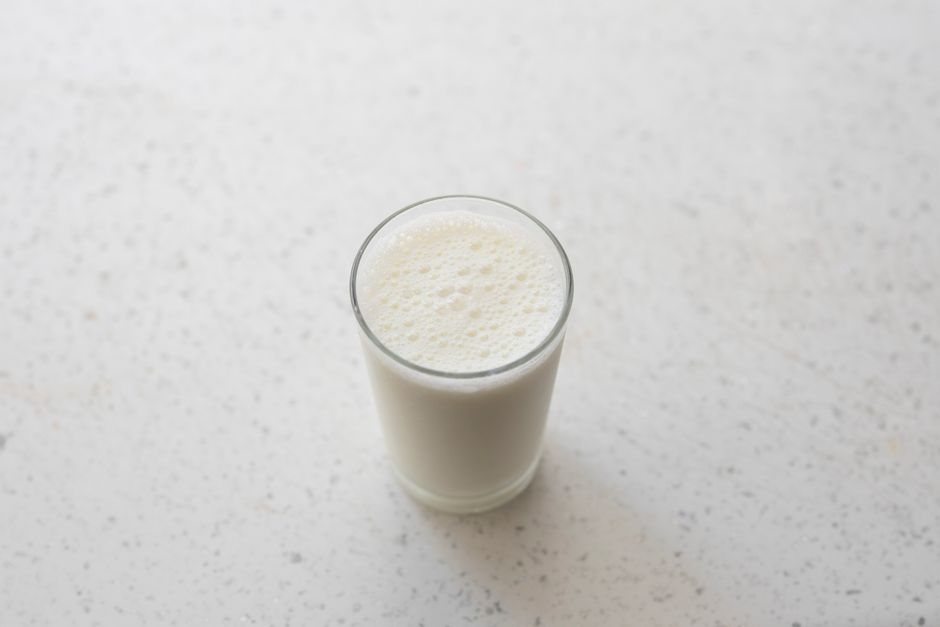
Skim Milk Substitute: Best Alternatives for Any Recipe
The best skim milk substitute depends on your dietary needs and what you’re cooking, but low-fat Greek yogurt thinned with water (1 part yogurt to 3 parts water) delivers the closest nutritional match and texture. If you need a quick swap, unsweetened almond milk works reliably in most recipes, though it lacks skim milk’s protein content. Other solid options include cashew milk for creaminess, 1% milk for minimal difference, or plant-based alternatives like soy milk for baking. Understanding which skim milk substitute fits your situation—whether you’re avoiding dairy, managing calories, or simply out of milk—ensures your recipes turn out right every time.
Quick Comparison Table
| Substitute | Ratio (per 1 cup skim milk) | Best For | Result Quality |
|---|---|---|---|
| Greek Yogurt + Water | ¼ cup Greek yogurt + ¾ cup water | Baking, sauces, smoothies | ★★★★★ |
| Unsweetened Almond Milk | 1 cup (1:1 ratio) | Coffee, cereals, general cooking | ★★★★☆ |
| 2% or Whole Milk | 1 cup (1:1 ratio) | Any recipe calling for skim milk | ★★★★★ |
| Soy Milk (unsweetened) | 1 cup (1:1 ratio) | Baking, smoothies, savory dishes | ★★★★☆ |
| Cashew Milk | 1 cup (1:1 ratio) | Creamy sauces, soups, coffee | ★★★★☆ |
| Oat Milk | 1 cup (1:1 ratio) | Baking, lattes, creamy recipes | ★★★★☆ |
| Evaporated Skim Milk | ½ cup evaporated + ½ cup water | Cooking, baking, cream soups | ★★★★★ |
| Powdered Milk + Water | ⅓ cup powder + 1 cup water | Baking, emergency substitute | ★★★☆☆ |
Why Skim Milk Matters in Cooking
Skim milk serves multiple culinary functions beyond simple hydration. It contains about 8-9 grams of protein per cup, milk solids that contribute body and richness, and lactose that adds subtle sweetness. In baking, skim milk’s proteins help develop gluten structure and improve browning through Maillard reactions. The milk solids create a slight thickening effect in sauces and soups, while the fat-free nature makes it ideal for low-fat cooking without sacrificing creaminess. When recipes call for skim milk specifically, they’re counting on these properties—particularly the protein and minimal fat content—to achieve the intended texture and nutritional profile.
Different skim milk substitutes replace these functions in different ways. Some add protein but lack the emulsifying power of milk solids; others provide creaminess but change the flavor profile. Understanding which property matters most for your specific dish helps you choose wisely. For example, baking requires proteins and structure-building compounds, while a cream soup might prioritize mouthfeel over nutritional matching. This is why no single skim milk substitute works universally—context determines the best choice.
1. Greek Yogurt + Water (Best Overall)
Ratio: ¼ cup plain, unsweetened Greek yogurt + ¾ cup water per 1 cup skim milk needed
This combination is the gold standard skim milk substitute because it matches nearly all of skim milk’s properties. Greek yogurt contains roughly double the protein of regular yogurt (around 15-20g per cup), so thinning it with water recreates skim milk’s nutritional profile while maintaining the protein-to-fat ratio. Whisk the yogurt and water together until completely smooth before adding to recipes—any lumps will remain visible and create an undesirable texture.
The result is virtually indistinguishable from skim milk in baking, sauces, soups, and smoothies. In baked goods, the yogurt’s acidity actually enhances browning and can activate baking soda if your recipe uses it (reducing the need for baking powder). The slight tanginess is barely perceptible in most dishes, especially when combined with other ingredients. For savory applications like cream soups or gravies, this substitute provides authentic body and mouthfeel.
Best for: Baking, pancakes, muffins, cream soups, sauces, and smoothies. This is your safest bet for recipes where skim milk’s protein content matters.
2. Unsweetened Almond Milk
Ratio: 1 cup almond milk per 1 cup skim milk (1:1 ratio)
Unsweetened almond milk offers convenience—it’s shelf-stable, affordable, and requires no preparation. Use it straight from the carton as a direct replacement for skim milk in most recipes. The flavor is neutral enough that it won’t compete with other ingredients, and the creamy mouthfeel works well in coffee, cereal, smoothies, and general cooking.
The trade-off: almond milk contains virtually no protein (typically less than 1g per cup unless fortified), so it won’t deliver the structural benefits skim milk provides in baking. Your baked goods may be slightly less fluffy or fail to brown as deeply. However, for beverages, cooking, and most non-baking applications, this limitation barely matters. Always choose unsweetened varieties to avoid adding unexpected sugar to savory dishes.
Best for: Coffee, cereals, pancake batter, smoothies, and creamy soups where protein content isn’t critical to success.
3. 2% or Whole Milk
Ratio: 1 cup (1:1 ratio) – use it straight from the fridge
If you have any milk in the house, whole or 2% milk is the simplest skim milk substitute. The nutritional difference is minimal (whole milk adds roughly 5 extra grams of fat per cup), and the cooking performance is virtually identical. In fact, the extra fat often improves results—dishes become slightly richer and more satisfying, browning occurs more effectively in baking, and sauces develop smoother textures.
This substitution works flawlessly in every application where skim milk appears. The only consideration is if you’re specifically counting calories or fat grams for dietary reasons. For casual cooking, baking, sauces, and drinking, 2% and whole milk are so similar to skim milk that you won’t notice a meaningful difference in the final dish.
Best for: Any recipe calling for skim milk when you’re not strictly monitoring fat intake. This is your best choice if you’re out of skim milk but have other milk types available.
4. Soy Milk (Unsweetened)
Ratio: 1 cup unsweetened soy milk per 1 cup skim milk (1:1 ratio)
Unsweetened soy milk is an excellent dairy-free substitute with a nutritional profile that actually mirrors skim milk quite well—it contains 6-8 grams of protein per cup, similar to skim milk’s 8-9 grams. Use it directly as a 1:1 replacement in nearly any application, from baking to beverages to cooking.
Some people detect a slight bean-like aftertaste in soy milk, though modern formulations have improved considerably. To minimize this, use soy milk in recipes with strong flavors (chocolate cakes, coffee drinks, soups with aromatic spices) rather than delicate applications like plain custards. Soy milk curdles slightly more easily than dairy milk when heated rapidly or exposed to acids, so add it slowly to hot liquids and avoid high-heat cooking whenever possible.
Best for: Baking, smoothies, savory dishes, and anyone avoiding dairy or seeking a protein-rich plant-based option.
5. Cashew Milk
Ratio: 1 cup unsweetened cashew milk per 1 cup skim milk (1:1 ratio)
Cashew milk delivers natural creaminess without added thickeners, making it exceptional for sauces, soups, and coffee. The subtle, mild nutty flavor complements both sweet and savory dishes beautifully. Unlike some plant-based milks, cashew milk froths reasonably well and steams smoothly, so it’s particularly good for lattes and cappuccinos where texture matters.
The drawback is minimal protein content (usually 1-2g per cup) and higher cost than other alternatives. For baking applications requiring protein and structure, cashew milk alone won’t perform as well as skim milk or Greek yogurt mixtures. However, for everything else—especially creamy preparations—it’s a premium choice that often outperforms dairy milk in final texture and mouthfeel.
Best for: Creamy soups, sauces, coffee drinks, and anyone seeking a luxurious plant-based option willing to pay a bit more.
6. Oat Milk
Ratio: 1 cup unsweetened oat milk per 1 cup skim milk (1:1 ratio)
Oat milk has become increasingly popular for good reason—it’s naturally creamy, blends seamlessly into baking, and delivers a subtle sweetness that works especially well in baked goods and lattes. Its natural gums and starches create a body that’s noticeably thicker than almond or soy milk, which can mimic skim milk’s slight viscosity better than thinner plant milks. Look for a “barista” style oat milk if you plan to froth it for coffee drinks, since regular oat milk can separate when steamed.
Protein content is modest (around 2-4g per cup), so oat milk sits between almond milk and soy milk in terms of matching skim milk’s nutritional profile. It performs well in muffins, pancakes, and quick breads, where its natural sweetness can even let you trim a little added sugar from the recipe. Because oats contain no lactose or nuts, it’s also a safe choice for many common food allergies.
Best for: Baking, lattes, and creamy recipes where a naturally sweet, thick texture is welcome.
7. Evaporated Skim Milk
Ratio: ½ cup evaporated skim milk + ½ cup water per 1 cup skim milk needed
Evaporated skim milk is simply skim milk with about 60% of its water removed, so diluting it back down with an equal amount of water recreates the original product almost exactly. Because the canning process concentrates the milk solids and protein, this substitute actually delivers a slightly richer body and more pronounced dairy flavor than fresh skim milk once it’s reconstituted.
This makes it an excellent pantry backup, since canned evaporated milk keeps for a year or more unopened. It performs beautifully in baking, custards, and cream-based soups, where its slightly caramelized undertone (a result of the evaporation process) adds depth. Just be sure to whisk it thoroughly with water before measuring, as the concentrated product can look deceptively small in volume.
Best for: Cooking, baking, and cream soups—especially when you want a shelf-stable substitute that’s nutritionally almost identical to fresh skim milk.
8. Powdered Milk + Water
Ratio: ⅓ cup nonfat dry milk powder whisked into 1 cup water per 1 cup skim milk needed
Powdered milk is a practical emergency substitute for anyone who keeps a box in the pantry. Whisk it thoroughly into cold or room-temperature water and let it sit for a few minutes so the proteins fully hydrate before using—rushing this step can leave a slightly grainy texture, especially in cold applications like smoothies.
Nutritionally, reconstituted powdered milk is very close to fresh skim milk, with comparable protein and negligible fat. The main drawback is flavor: many people notice a faint “powdery” or slightly cooked taste, which is more apparent in beverages than in baked goods, where other flavors mask it. For best results, use it in recipes that call for cooking or baking rather than drinking it plain.
Best for: Baking and emergency situations when no liquid milk or plant-based alternative is on hand.